A science-backed guide to setting your thermostat and humidity so your body can cool down, stay asleep, and spend more time in deep, restorative sleep.
The Rest Pact
Updated October 18, 2026
Created October 18, 2026
7 Cooling Mattresses and Bedding Upgrades for Hot Sleepers

Maya Caldwell
Maya Caldwell is a certified sleep science coach and the lead researcher at RestPact. After overcoming years of chronic insomnia, she dedicated herself to making evidence-based sleep strategies accessible, helping others build bedtime routines that lead to deep, restorative rest.
When you sleep hot, it can feel like your bed is working against you. I know the spiral well: you kick off the covers, drift off, wake up sweaty, then spend the next hour chasing “the cool side” of everything. The good news is that sleep thermoregulation is well-studied, and a few practical gear choices can genuinely reduce overheating and cut down on wake-ups.
Two quick science anchors before we get to the list:
- Your core temperature needs to drift down for sleep onset and to support deeper sleep. Your body helps this along via heat loss at the skin (including through increased blood flow to hands and feet). If the warm, humid “microclimate” trapped around you stays too toasty, you are more likely to wake.
- Cooling is mostly about heat and moisture management, not icy surfaces. The best setups either move heat away (conductive materials), move air (breathability), manage moisture (humidity control), or use active systems (water or forced air) to keep a steadier bed temperature.
This roundup focuses on mattresses and accessories that align with what research and material science consistently support: breathable structures, moisture-friendly fibers, pressure relief that does not trap heat, and, when needed, active temperature control.
How I picked these
Cooling claims are everywhere, so I filtered options using mechanisms that are supported by thermoregulation research and material science, plus what tends to hold up in real bedrooms.
- Airflow first: Coil systems, ventilated latex, and 3D spacer fabrics generally let more heat and humidity escape than dense foams with low airflow.
- Humidity control matters: A “hot sleeper” is often a “humid sleeper.” Moisture-wicking sheets and breathable protectors can reduce that sticky microclimate that triggers awakenings.
- Phase change materials (PCM) are a bonus, not a miracle: PCM can buffer temperature changes for a period of time. It is most helpful for people who run warm at sleep onset or have temperature swings. It is not the same thing as active cooling.
- Active systems are the most consistent: Water-based or air-based systems can keep bed temperature more stable than passive materials alone, especially when overheating is significant.
If you are dealing with frequent night sweats or hot flashes, consider jumping straight to the active options in this list. Also, a quick health note: if night sweats are new, drenching, or come with fever, unexplained weight loss, or other symptoms, it is worth talking with a clinician. Bedding can help comfort, but it should not be the only plan.
7 cooling picks
1) Water-based temperature-controlled cover: Eight Sleep Pod Cover
Best for: persistent night sweats, hot flashes, or anyone who wakes multiple times overheated.
Why it helps: Active systems remove heat from the body more consistently than passive “cool to the touch” fabrics. Water has a high heat capacity, so a water-based system can pull heat away and typically hold a more stable surface temperature than passive materials, though results still depend on room conditions and settings.
- Look for if you are shopping: dual-zone control (if you share a bed), a wide temperature range, and solid leak safeguards and warranty terms.
- My practical tip: Pair this with breathable sheets. Even active cooling works better when humidity can escape.
2) Water-based temperature-controlled pad: Sleepme Dock Pro with Chilipad
Best for: targeted cooling without replacing your mattress, and for people who like a noticeably cooler surface.
Why it helps: Like the option above, it uses active heat exchange to steady the temperature at the sleep surface. From a thermoregulation standpoint, this is one of the most direct ways to reduce heat-driven wake-ups.
- What to know: ChiliSleep has operated under the Sleepme brand name, so you may see this listed as Sleepme Dock Pro. These systems also add a device near the bed and can produce some operational noise. If you are sound sensitive, plan placement carefully.
- My practical tip: If you are a side sleeper, choose the pad style that feels smooth under the shoulders and hips, and keep your fitted sheet breathable.
3) Breathable latex hybrid mattress: Avocado Green Mattress (Latex Hybrid)
Best for: people who want a cooler mattress feel without active devices, and who prefer responsive support.
Why it helps: Latex foam is generally more breathable and less heat-trapping than many viscoelastic memory foams, especially when paired with an innerspring core. Coil systems also promote airflow through the bed, which helps heat and humidity dissipate.
- Feel note: Latex tends to feel springy and buoyant rather than “huggy.” That can be a plus for hot sleepers because deep sink can trap heat.
- My practical tip: If you love the pressure relief of memory foam, consider a thin, breathable topper rather than a thick foam comfort layer.
4) Coil-forward latex hybrid: Saatva Latex Hybrid
Best for: combination sleepers who want airflow plus gentle contouring.
Why it helps: Hybrids that prioritize coils and breathable comfort layers tend to hold less heat than many all-foam designs. Latex comfort layers can add pressure relief without creating the same insulating “nest” effect many hot sleepers report with dense foams.
- What to look for: a ventilated latex layer, a cover that does not feel plastic-like, and a coil unit with strong edge support (so you are not forced toward the warm center of the bed).
- My practical tip: If you are overheating mostly at the torso, consider a thinner duvet and focus your spend on the mattress and sheets.
5) Active airflow to the top of the bed: BEDJET with Cloud Sheet
Best for: people who want adjustable cooling without water systems, and anyone who wakes up sweaty but prefers the feel of moving air.
Why it helps: Forced-air systems change the temperature and humidity right where you feel it: between you and the sheet. For some hot sleepers, that airflow and drying effect is the missing piece.
- What to know: The Cloud Sheet is designed to work with the BEDJET air delivery system. On its own, it is a breathable top layer, not an active cooler.
- My practical tip: If air movement bothers you, start at a gentler fan setting and aim airflow toward the torso, not directly at your face.
6) Passive airflow layer: 3D spacer knit mattress pad
Best for: people who feel “stuck” to the bed or wake clammy, even with decent sheets, and who want a passive fix.
Why it helps: Spacer fabrics create an air gap that reduces trapped heat and humidity at the skin-surface interface. For many hot sleepers, that microclimate is the real issue.
- Shopping cue: look for “3D spacer fabric” or “spacer knit” rather than thick quilted pads that can insulate.
- My practical tip: If you need a protector, consider breathable options like wool or a thin cotton terry style. Waterproof membranes can be essential for some households, but they often reduce breathability, so choose the most breathable one you can.
7) Sheets and a cooler pillow: percale cotton or linen, plus ventilated latex
Best for: almost everyone who sleeps warm, especially those who wake up sweaty but not necessarily hot all night.
Why it helps: Breathable, moisture-absorbing fibers help keep humidity lower at the skin. Percale weaves tend to feel crisp and allow airflow. Linen can be even better for moisture management and summer comfort, especially in more humid climates. Up top, a ventilated latex pillow and a breathable pillowcase can reduce the heat buildup that leads to pillow flipping.
- Choose percale if: you want a smoother, hotel-crisp feel.
- Choose linen if: you want maximum breathability and do not mind a more textured feel.
- Hot sleeper warning: solid memory foam pillows often run warm unless they have serious ventilation and a breathable cover.
- My practical tip: Skip heavy sateen if you are overheating. It can feel silky, but it often sleeps warmer due to the weave structure. Also use a percale or linen pillowcase, since a thick, brushed cotton case can undo a lot of “cooling pillow” benefits.
Quick setup
If you want the biggest impact without buying everything at once, here is the order I suggest for most hot sleepers:
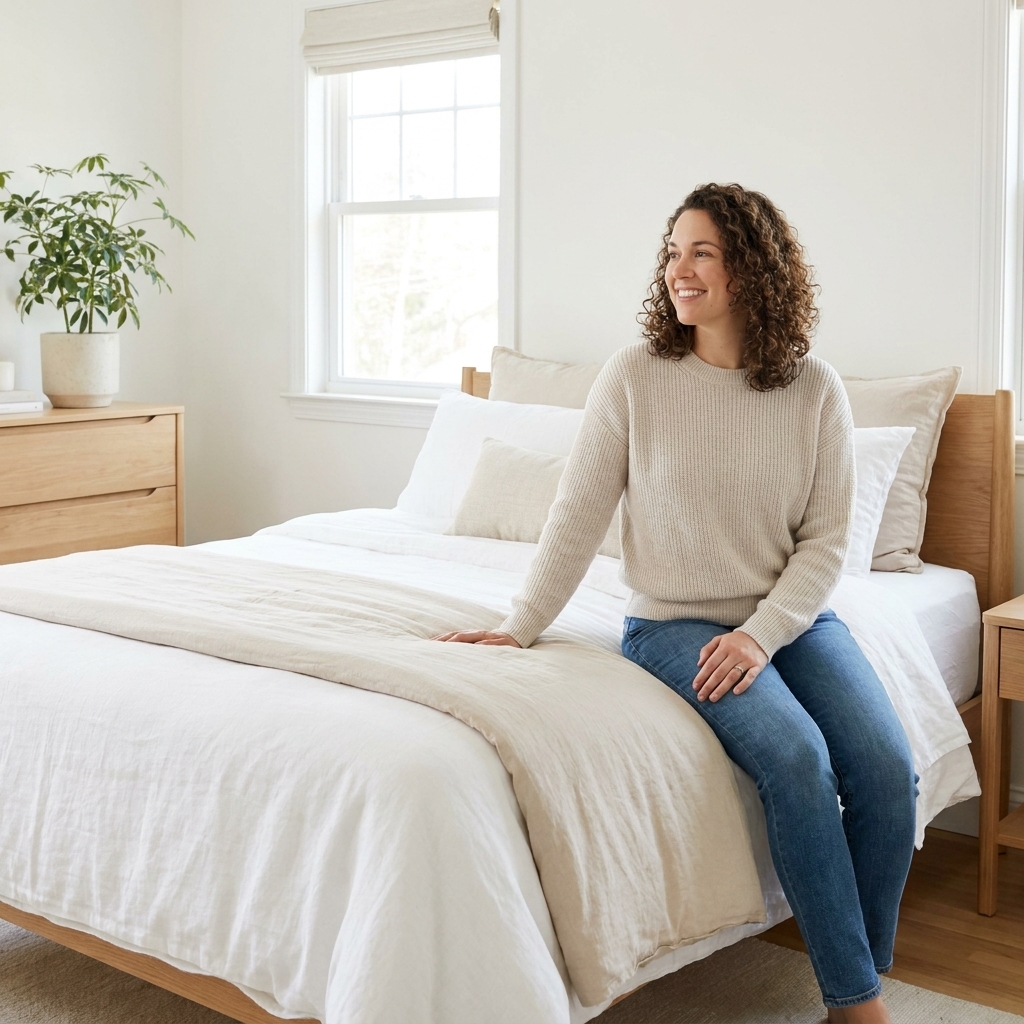
- Switch to breathable sheets (percale cotton or linen).
- Use a thin, breathable blanket or duvet and remove heavy layers.
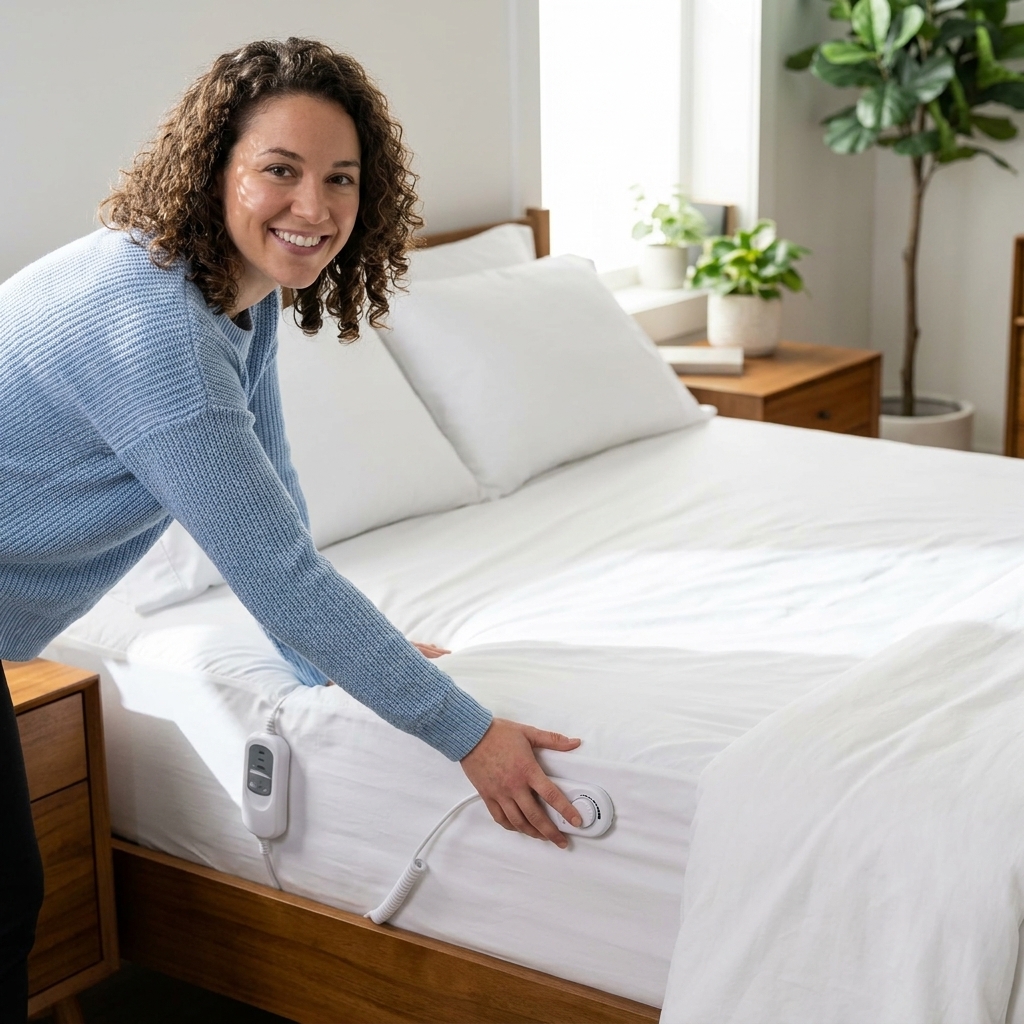
- Add a passive airflow layer (a 3D spacer knit pad) or consider forced-air if you want active control.
- Upgrade the pillow if head and neck heat is your main complaint.
- Consider active cooling if you still wake up sweaty or overheated multiple nights per week.
And yes, I am going to say the Pacific Northwest thing: if morning light hits your bedroom early, blackout curtains can reduce heat buildup and help stabilize your sleep schedule. Not glamorous, very effective.
FAQ
Do “cooling” mattresses stay cool all night?
Passive cooling materials can feel cool at first, especially PCM or slick covers, but they do not remove unlimited heat. The most dependable all-night cooling comes from breathability plus airflow, and from active temperature-control systems when overheating is significant.
Is memory foam always hot?
Not always, but dense foams can trap heat and reduce airflow. If you love the pressure relief of foam, look for designs with ventilation channels, less heat-trapping comfort layers, and very breathable covers. Many hot sleepers do better with hybrids or latex.
What if I share a bed with a cold sleeper?
Prioritize dual-zone active cooling if you can. If not, a workable compromise is lighter bedding on your side, breathable sheets, and a warmer blanket or throw that stays mostly on your partner’s side.
What bedroom temperature is best for hot sleepers?
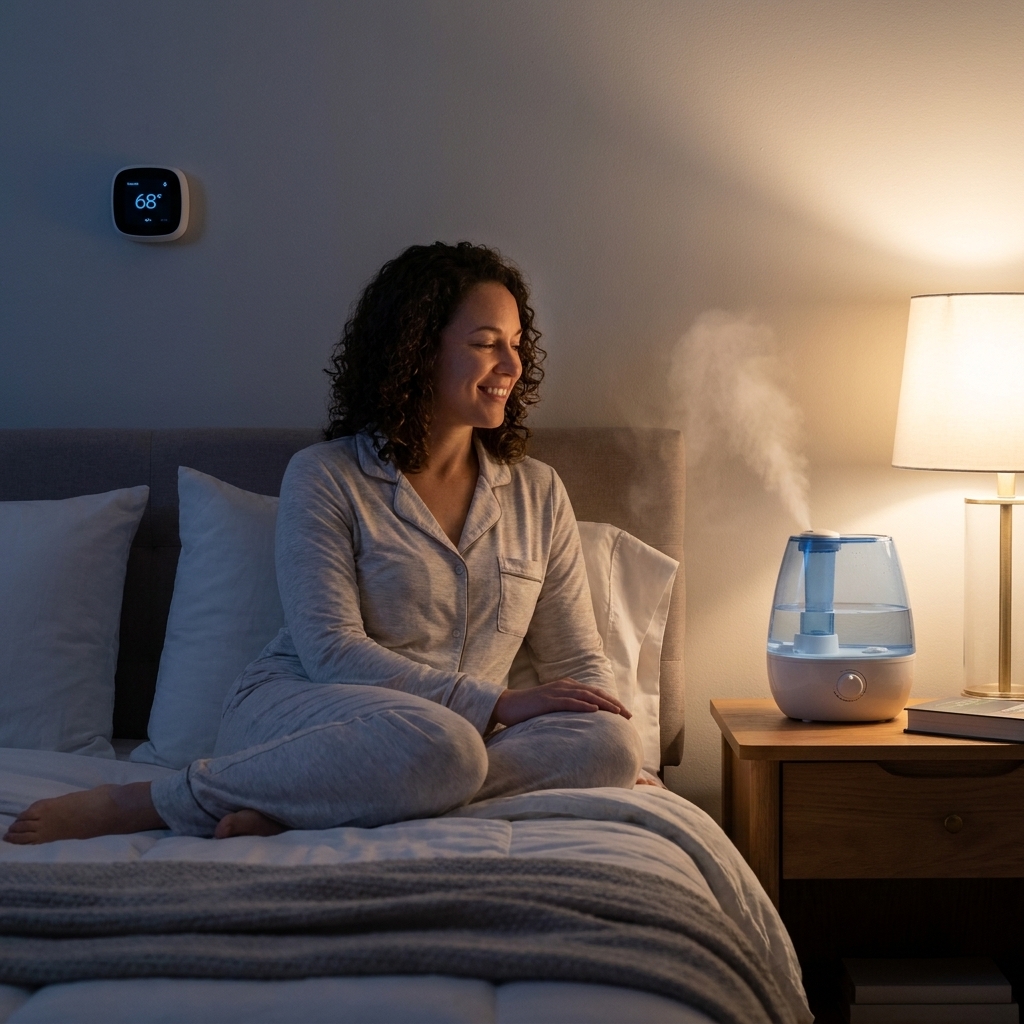
Most people sleep best in a cool room, often cited around 60 to 67 degrees Fahrenheit (about 16 to 19 degrees Celsius), but comfort varies. Rather than chasing a perfect number, aim for “cool enough that you can comfortably pull up a light blanket.” If you wake sweaty, lower the room temperature or improve bed airflow and humidity control.
Closing note
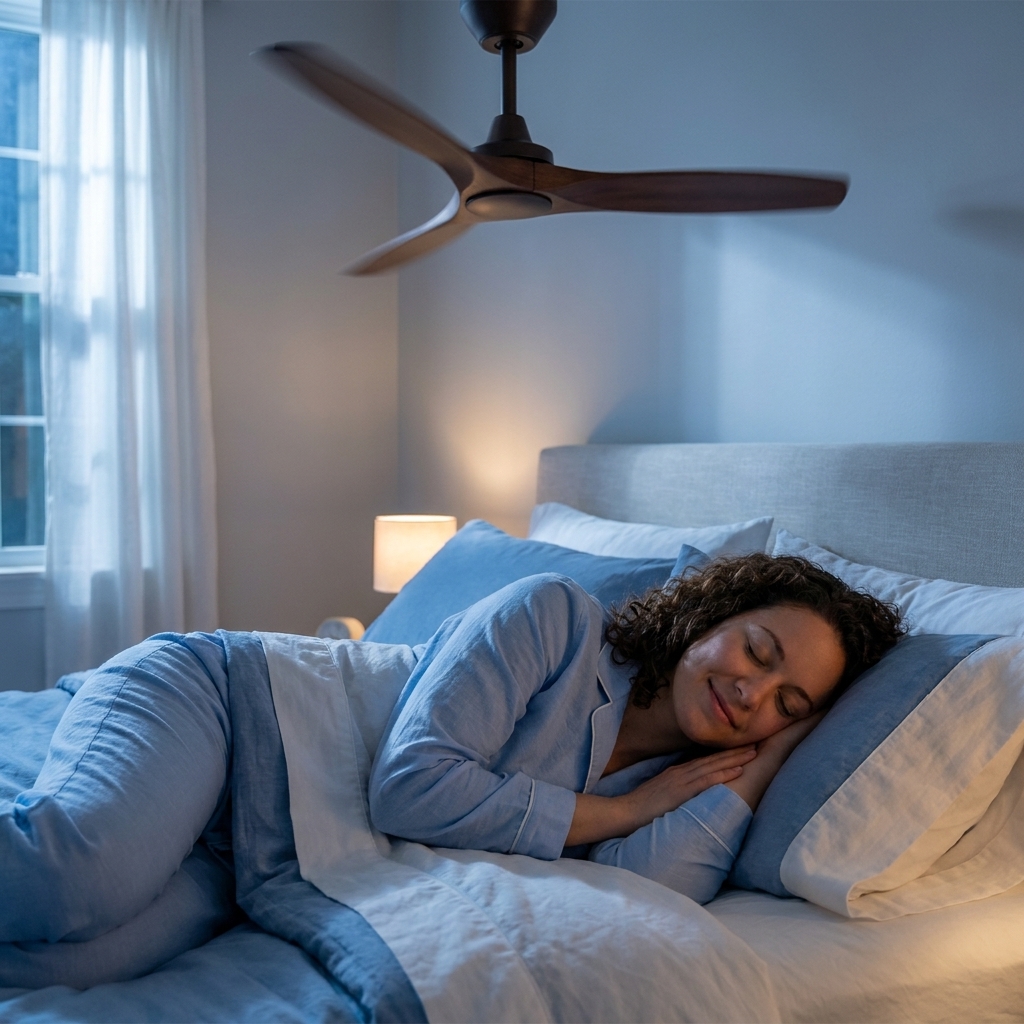
If you have been told to “just set the thermostat lower,” and it is not that simple in your home, I get it. Cooling sleep is often about stacking small wins. Breathable sheets, an airflow-friendly layer, and a pillow that does not trap heat can change your night faster than most people expect. And if night sweats are disrupting your life, active cooling is not overkill. For many people, it is the most straightforward path back to steadier, less interrupted sleep.
Sleep well,
Maya Caldwell
Certified Sleep Science Coach, Lead Researcher at RestPact