
A chronobiology-based checklist to support your body clock: light exposure, consistent timing, movement, meals, caffeine, and a bedtime routine that actually...
The Rest Pact
Updated October 18, 2026
Created October 18, 2026
Sleep Routines for Shift Workers

Maya Caldwell
Maya Caldwell is a certified sleep science coach and the lead researcher at RestPact. After overcoming years of chronic insomnia, she dedicated herself to making evidence-based sleep strategies accessible, helping others build bedtime routines that lead to deep, restorative rest.
If you work nights, early mornings, rotating shifts, or a string of unpredictable on-calls, you already know the most maddening part is not being tired. It is being tired at the “wrong” time, then trying to sleep while the world is loud, bright, and busy.
I lived for years in a fog of four-hour nights and caffeine triage. What finally helped was realizing a simple truth: shift work is not a willpower problem. It is a circadian timing problem. Your job pulls your schedule one way, and your brain’s clock pulls another. The goal is not perfection. The goal is to reduce the mismatch so your sleep becomes easier to start, more restorative, and more consistent.
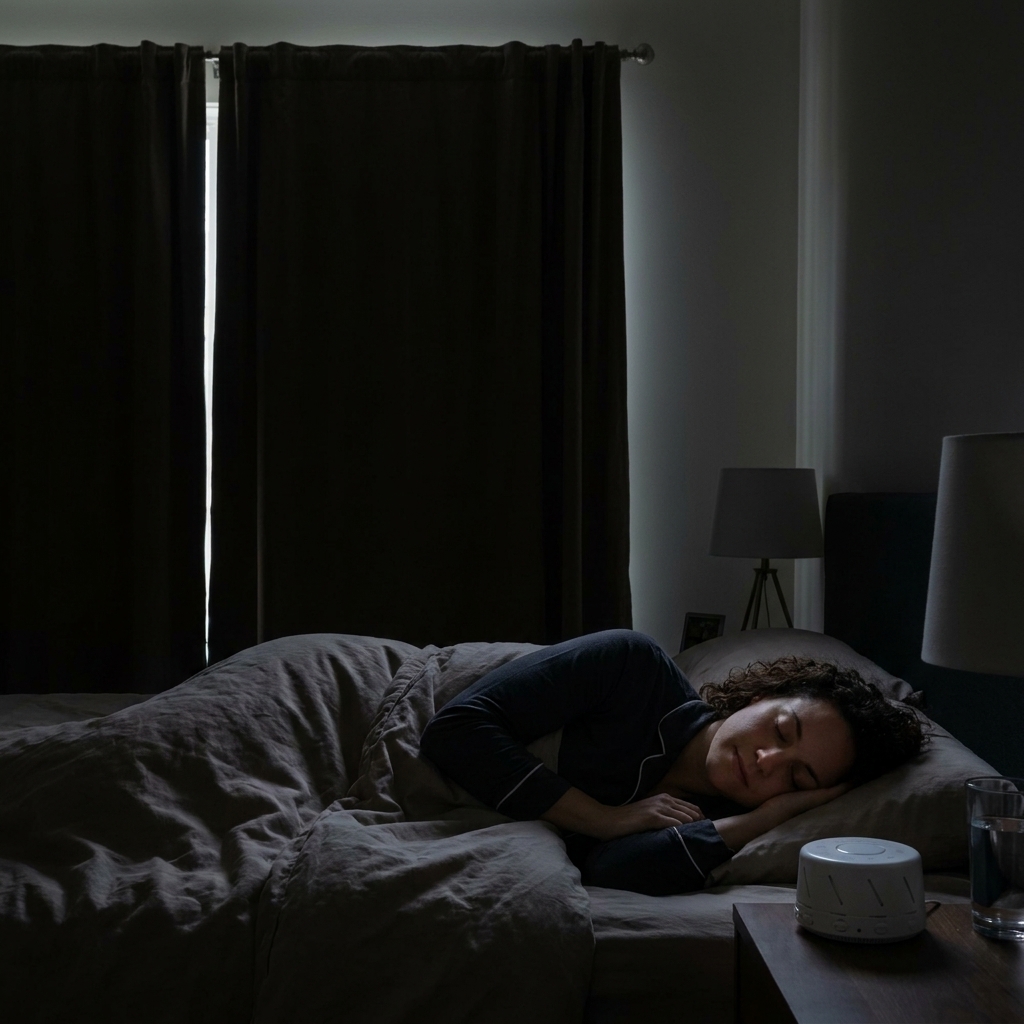
Below is the routine I teach in my shift-worker sleep coaching program at RestPact: practical, evidence-based, and designed for real life.
First, pick your anchor sleep
When your schedule is irregular, the most stabilizing move is to protect one consistent block of sleep most days. Sleep researchers often call this an “anchor” because it pins your week in place even if start times shift.
- Choose 4 to 6 hours you protect no matter what (as often as your job and family allow). For many night shift workers, that looks like late morning to mid-afternoon.
- Build the rest around it with a pre-shift nap, a short evening nap, or a “top-up” sleep on days off.
- Aim for total sleep across 24 hours. If you can reliably get 6 hours after nights plus an around-90-minute nap later, that can be a very functional pattern.
Anchor sleep does not magically fix circadian misalignment, but it does give your brain a predictable window to prioritize sleep and can reduce the constant jet-lag feeling over time.
Your post-shift wind-down
The hours after a night shift are where most daytime sleep plans fall apart, not because you did anything wrong, but because daylight and errands accidentally “wake up” your circadian system.
1) Put a light buffer between work and bed
Light is one of the strongest signals to your body clock. Morning sunlight after a night shift tells your brain, “It is daytime. Be alert.” For many night workers, reducing light exposure on the way home makes it easier to fall asleep.
- Wear sunglasses outside during the commute home if it is bright out. Choose lenses that still allow safe visibility, especially at dawn, in rain, or in low-light conditions. Driving safety comes first.
- Keep your home dim when you arrive. Think lamps, not overheads.
- Save bright light for your “day”, which for you may start in the late afternoon (see the light strategy section below).
2) Eat small, not heavy
A huge meal right before bed can increase reflux, raise body temperature, and make sleep lighter. If you are hungry, a small snack tends to work better.
- Examples: yogurt, oatmeal, toast with nut butter, or a banana with a handful of nuts.
- Hydrate, but do not chug liquids right before bed if bathroom trips fragment your sleep.
- If alcohol is part of your wind-down, know that it can make you sleepy at first but often fragments sleep later. If sleep is the goal, alcohol is a shaky tool.
3) Create a short shutdown routine
Shift workers often try to fall asleep “on command.” Instead, train a sequence your brain recognizes.
- 5 minutes: shower or face wash
- 3 minutes: gentle stretch
- 2 minutes: write down tomorrow’s to-dos so your brain stops rehearsing them
- 2 minutes: breathing practice or a calming audio track
It is boring on purpose. Boring tells your nervous system it is safe to power down.
One more safety note: if you feel dangerously sleepy after shift, treat the commute like a risk. A 15 to 20 minute nap before driving, a ride share, public transit, or a coworker lift can be the difference between “tired” and unsafe.
Make a daytime sleep cave
For night shift sleep, your bedroom setup is not “nice to have.” It is the foundation.
Dark
- Blackout curtains or a blackout shade plus curtain combo.
- Block light leaks around doors and windows. Even small slivers can be stimulating.
- Use a comfortable sleep mask if full blackout is not possible.
If you cannot install blackout curtains (renting, shared housing, kids): a good mask plus a towel at the door gap, a cheap temporary blackout shade, and a white noise app can still move the needle.

Quiet
Daytime sleep is often interrupted by sudden noise, not constant noise. You want fewer spikes.
- White noise or a fan to smooth out sound changes.
- Earplugs if you tolerate them. Many shift workers like softer foam or low-pressure silicone styles.
- Sign on the door for roommates or family: “Sleeping 9am to 3pm. Please knock only if urgent.” Clear beats resentful.
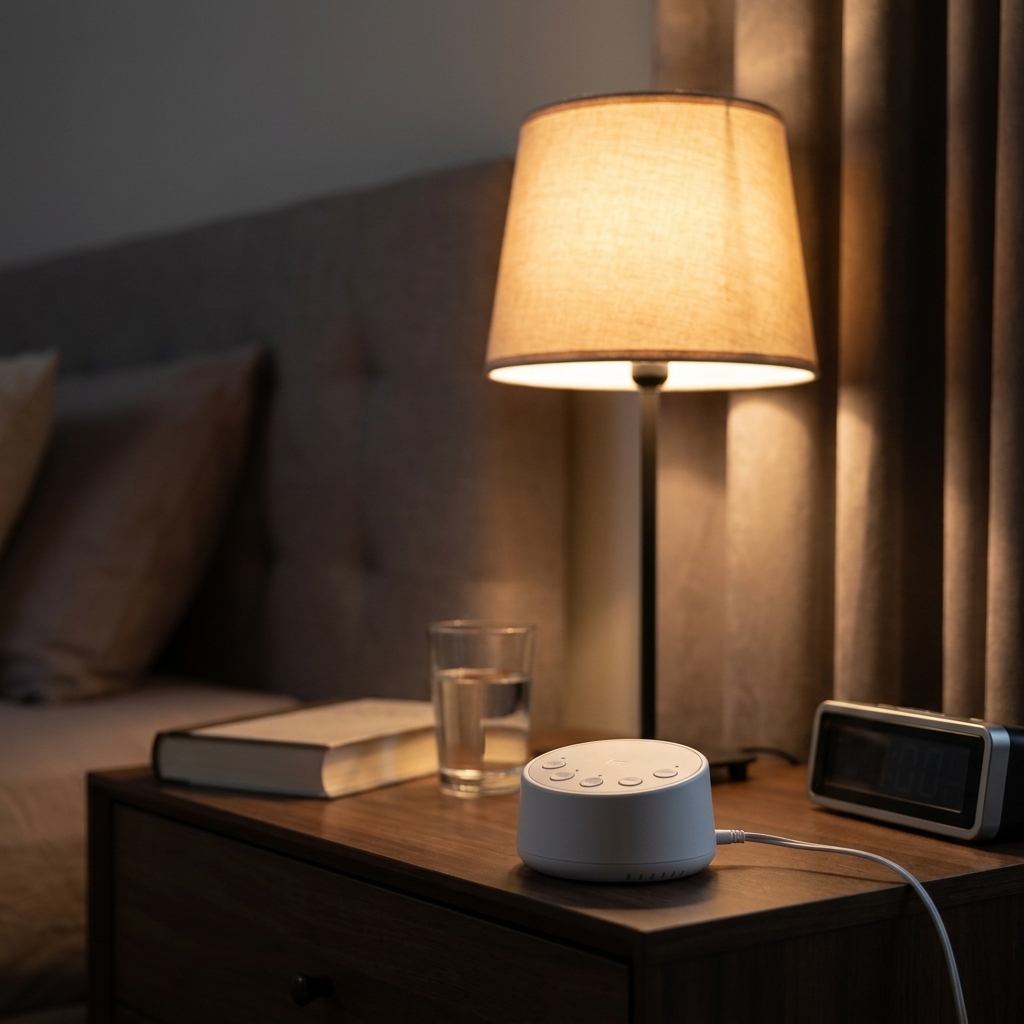
Cool
Core body temperature naturally drops as you fall asleep. A cooler room makes that easier.
- Many people sleep best around 60 to 67°F, but your sweet spot may be a few degrees warmer or cooler.
- Cooling bedding or breathable cotton percale can help if you run hot.
- Warm shower, cool room is a powerful combo because the post-shower cooldown signals sleepiness.
Phone boundaries
- Do Not Disturb with exceptions for true emergencies.
- Charge your phone away from bed if doomscrolling is your reflex after shift.
- Keep the room for sleep as much as your living situation allows.
Caffeine timing for nights
Caffeine can be a helpful tool. It can also quietly sabotage the exact sleep you are trying to protect, especially if you are using it late in the shift to stay sharp.
A helpful rule of thumb: caffeine’s half-life is often about 3 to 7 hours for many adults, but it can be shorter or much longer depending on your body and circumstances (including pregnancy, oral contraceptives, smoking, and some health conditions). That means a “small” coffee at 3am can still be meaningfully active in your body mid-morning.
A simple cutoff plan
- Front-load caffeine earlier in the shift when possible.
- Set a cutoff about 6 to 8 hours before your planned sleep. Adjust based on your sensitivity.
- Use non-caffeine alertness tools late shift: brighter light at your workstation, cold water on your face, a short walk, a protein-forward snack, or brief social interaction.
If you are extremely sensitive, consider tapering down rather than going from high caffeine to zero overnight. Withdrawal headaches can be their own sleep disruptor.
Light strategy
If I could give every shift worker one lever to pull, it would be light management. Light is how you tell your brain what time it is.
When you want to feel alert
- Use bright light at work if your environment allows it.
- Keep break areas brighter earlier in the shift, then dim slightly in the final hours if you struggle to fall asleep post-shift.
When you want to sleep
- Reduce morning light exposure during the commute and when you get home.
- Keep the bedroom very dark for the first part of sleep.
When you want to start your day
After you wake, give yourself a bright-light cue to boost alertness.
- Bright indoor lighting right after waking.
- Outdoor light if it is available and not too close to your intended sleep window.
This is how you create a predictable rhythm even when the sun disagrees.
What to do on days off
Days off are where many shift workers accidentally lose their sleep gains. The temptation is understandable: you want to be awake when friends and family are awake.
Pick one approach
Option A: Stay night-ish
This is usually best for people who do multiple night shifts per week and feel wrecked by flipping back and forth.
- Maintain your anchor sleep window.
- Shift your wake time slightly earlier for social time if needed, but keep bedtime relatively stable.
Option B: Split the difference
If you must partially flip, try not to swing the full 12 hours.
- On the first day off, sleep a shorter post-shift sleep, then take a longer evening sleep.
- Use light exposure deliberately to help your desired timing.
What tends to feel worst is the hard flip: full nights during the workweek, full days on weekends, then back again. If you can soften that swing, your body will thank you.
Naps without wrecking sleep
Naps are not a failure. For shift workers, they are often a safety tool.
Two nap types that work
- The 20 to 30 minute boost nap: helps alertness with less grogginess.
- The around-90-minute full-cycle nap: many adults cycle through sleep in roughly 70 to 110 minutes, and 90 minutes is a useful average. This nap can feel more restorative if you are running a deficit.
If naps make it harder to sleep later, move them earlier or shorten them. If you wake up groggy, try either a shorter nap or a longer one that lets you complete more of a sleep cycle.
Rotating shifts: damage control
Rotating schedules are tough because your internal clock never gets to settle. In that situation, your goal is consistency wherever you can find it.
- Protect anchor sleep even if it is smaller.
- Use light cues aggressively to support the current shift.
- Plan transition days: a nap before the first night shift, and a strategic shorter sleep after the last night shift if you need to pivot.
- Keep meals and exercise predictable within your “day,” not the clock’s day.
Partners and family
One of the most painful parts of shift work is feeling like you have to choose between sleep and relationships. You do not. You need a plan everyone can live with.
- Share your sleep window in writing, even a simple note on the fridge.
- Set quiet hours and define what counts as urgent.
- Use small environmental fixes: felt pads under chairs, a soft-close door latch, a rug in the hallway, vibration mode instead of ringtones.
This is not about controlling your household. It is about making your sleep predictable enough that you can show up for the people you love.
When to get help
If you are doing the basics and still struggling, it is worth getting support. Shift Work Sleep Disorder is real, and insomnia can become conditioned over time.
Consider talking with a clinician or sleep specialist if you:
- Cannot stay awake safely during shifts despite adequate time in bed
- Regularly take more than 30 to 45 minutes to fall asleep and feel distressed about it
- Snore loudly, gasp, or wake with headaches (possible sleep apnea)
- Rely on alcohol or sedatives to sleep
CBT-I (cognitive behavioral therapy for insomnia) is a first-line, evidence-based treatment for insomnia. For shift-related sleep timing issues, a clinician can also help you personalize light timing and, when appropriate, melatonin use.
A routine to copy tonight
If you want a starting point, here is a simple night-shift routine you can adapt.
Before shift
- Around-90-minute nap if you are short on sleep
- Bright light after waking
- Normal meal before leaving
During shift
- Caffeine early, tapering down
- Small protein-forward snacks
- Bright light early, slightly dimmer toward the end if you struggle to fall asleep after
After shift
- Sunglasses outside if it is bright, as long as visibility stays safe
- Dim home lighting
- Small snack if needed
- Same 10-minute wind-down routine
- Cool, dark, quiet bedroom
After waking
- Bright light cue
- Hydrate, eat
- Gentle movement
If your sleep is messy right now, you are not broken. You are doing a hard job in a body designed for daylight. With the right cues and a protected routine, daytime sleep can become real sleep.
Quick FAQ
How many hours should a night shift worker sleep?
Most adults do best with 7 to 9 hours per 24 hours, but shift workers often need to piece that together using a main sleep plus a nap. Focus on total sleep across the day, plus how you feel and function.
Should I take melatonin to sleep during the day?
Melatonin can help with sleep timing for some people, but it is not a sedative and timing matters a lot. Many clinicians use lower doses (often around 0.5 to 1 mg) for circadian shifting, but what is “right” depends on your schedule, sensitivity, and medications. If you want to try it, consider discussing it with a clinician, especially if you are on other medications or have health conditions. Light control and a consistent anchor sleep often make a bigger difference.
What if I can only sleep 4 to 5 hours after a night shift?
Protect that block as your anchor sleep, then add a 20 to 30 minute nap or an around-90-minute nap later, ideally before your next shift. Also audit the big three daytime disruptors: light leaks, noise spikes, and room temperature.
How do I stop waking up too early when sleeping in the daytime?
Early awakenings are often caused by light exposure, rising noise, or heat. Upgrade blackout coverage, add white noise, and keep the room cooler. If you consistently wake after 4 to 5 hours, a planned second sleep window later can be more effective than fighting in bed.