A chronobiology-based checklist to support your body clock: light exposure, consistent timing, movement, meals, caffeine, and a bedtime routine that actually...
The Rest Pact
Updated October 18, 2026
Created October 18, 2026
Blackout Curtains and Sleep Masks That Protect Your Circadian Rhythm

Maya Caldwell
Maya Caldwell is a certified sleep science coach and the lead researcher at RestPact. After overcoming years of chronic insomnia, she dedicated herself to making evidence-based sleep strategies accessible, helping others build bedtime routines that lead to deep, restorative rest.
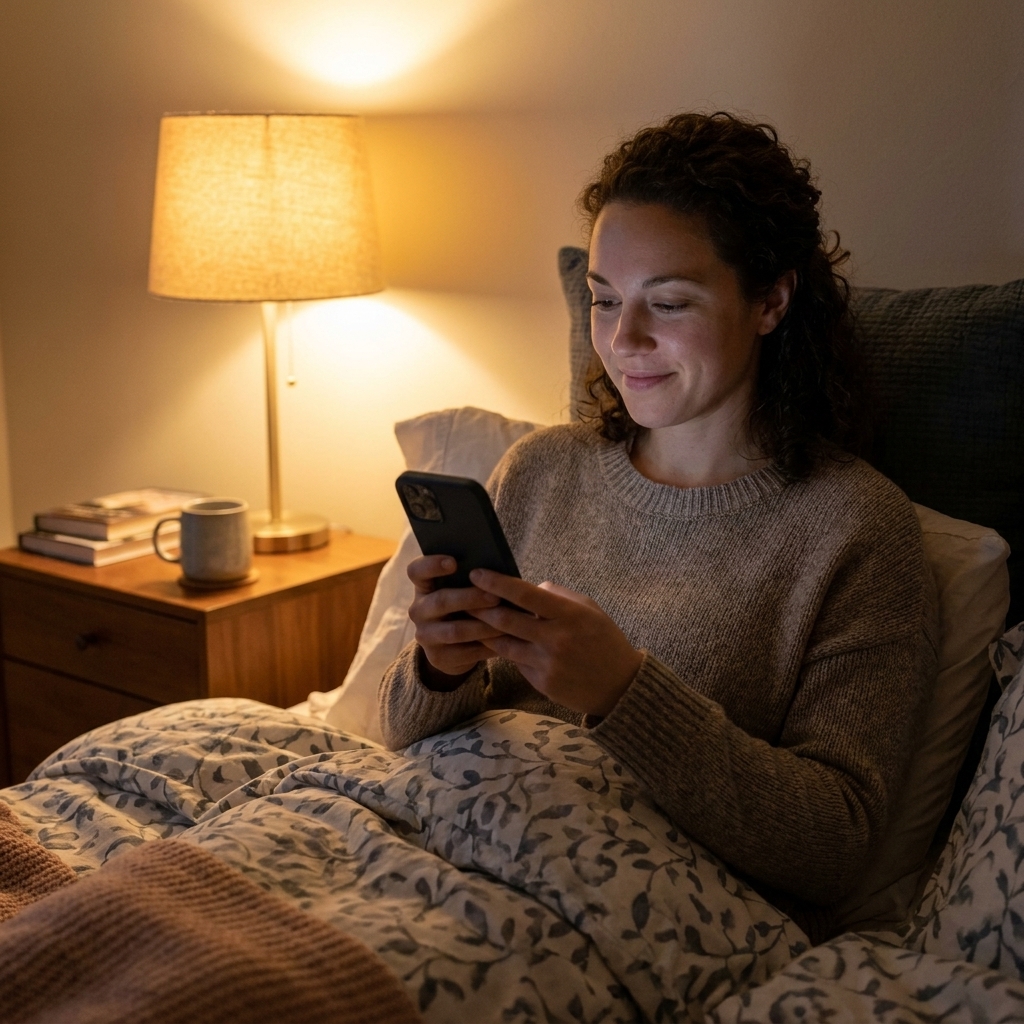
Light is a powerful circadian signal. It cues your brain’s clock when to ramp up alertness and when to let melatonin, a hormone that helps usher in sleep, rise. That is why even “small” amounts of artificial light at night, like a streetlamp sneaking through the edges of your curtains or a glowing hallway nightlight, can keep your system more awake than you realize for some people. Brightness, timing, and spectrum all matter, and a dim nightlight is not the same exposure as a flood of streetlight.
I learned this the hard way during my project-manager years, when I could fall asleep exhausted but still wake up wired at 3 a.m. It was not willpower. It was my environment. Once I treated light control like a serious piece of sleep gear, my nights got deeper and my mornings got easier.
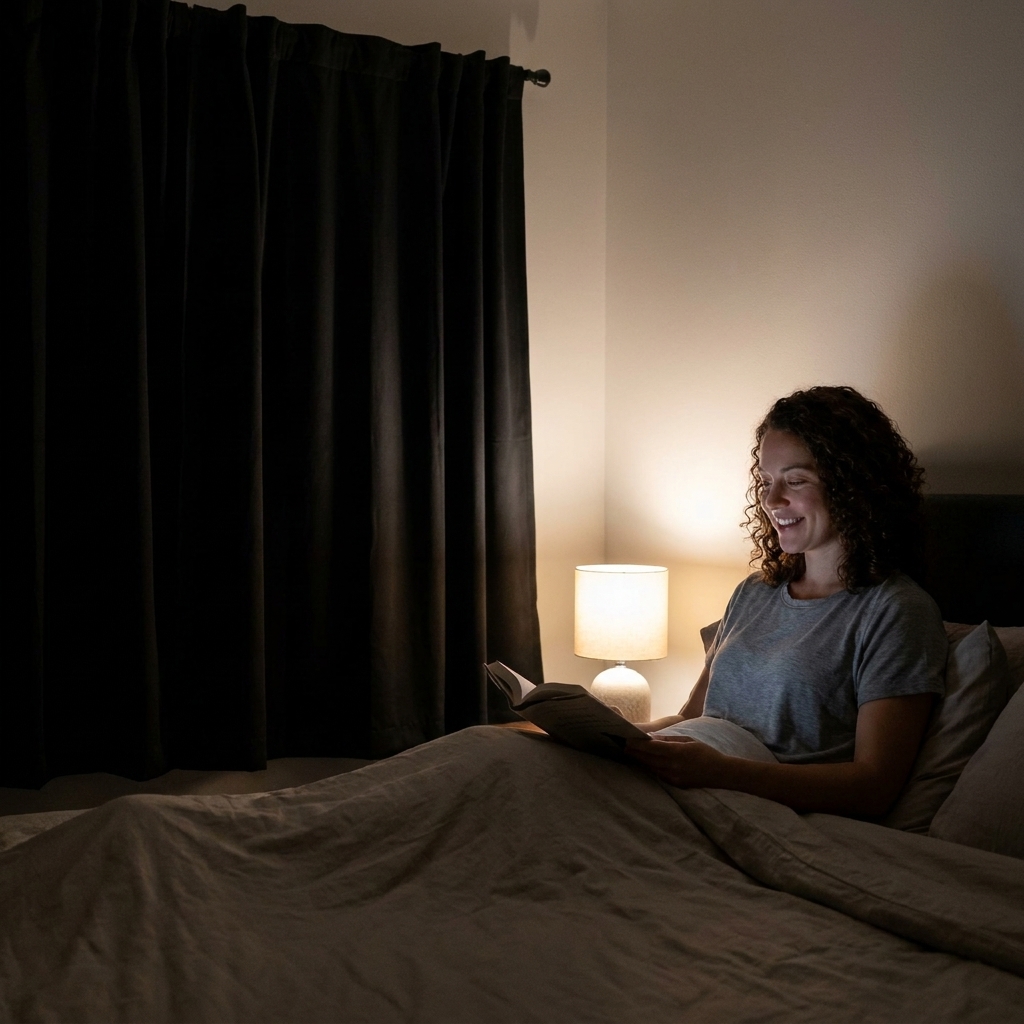
This guide focuses on two practical tools to help protect your circadian rhythm: true blackout curtains and well-fitting sleep masks. I will walk you through what matters, what does not, and how to set them up so they actually block light.
Why darkness helps
Your master body clock, the suprachiasmatic nucleus, responds primarily to light. In the evening, dimmer light helps signal “night,” which supports melatonin secretion. Bright or blue-enriched light at night can suppress melatonin and shift circadian timing later, especially when exposure is close to bedtime. That said, overall brightness matters too, not just the “blue” part. A practical goal is to keep the last hour or two before bed comfortably dim.
Not everyone is equally sensitive, and the effect depends on intensity, timing, spectrum, and duration. But if you are dealing with insomnia, frequent awakenings, or that frustrating “tired but wired” feeling, tightening up nighttime light exposure is a low-risk, high-upside move.
Quick personal check: If you can easily read a book in bed without a lamp, your room is probably too bright for optimal melatonin support. Another gut-check: after your eyes adjust, you should not be able to clearly make out objects across the room.
Blackout curtains basics
In product listings, “blackout” is often used loosely. For sleep, the goal is simple: minimize what reaches your eyes. That means you need both opaque fabric and control of edge leaks. Even “100% blackout” fabric can fail if the weave or backing is thin, or if it is installed with gaps.
Fabric that blocks light
- Triple-weave polyester blackout: A common, effective construction that sandwiches a darker layer between two outer layers. Usually machine washable and affordable.
- Blackout lining (sewn-in liner): A decorative front curtain plus a dedicated liner. This can look more elevated and can be very effective if the liner is high quality.
- 100% blackout “theater” style curtains: Heavier and often more expensive, but great for day sleepers, nursery naps, and streetlight-heavy neighborhoods.
What to look for
- “100% blackout” or “total blackout” language, not just “room darkening.” Room-darkening often still lets a glow through.
- GSM or weight: GSM means grams per square meter. Heavier fabrics generally block better and hang flatter.
- Thermal backing: Helpful if your bedroom runs hot or cold. It is not required for darkness, but it can stabilize temperature, which also supports sleep.
- Wide panels: For best results, choose panels that are 1.5 to 2 times the window width combined. More fullness reduces side gaps.
Stop light leaks
Even excellent fabric can fail if light pours in around the edges. If you only do one thing after buying curtains, do this.
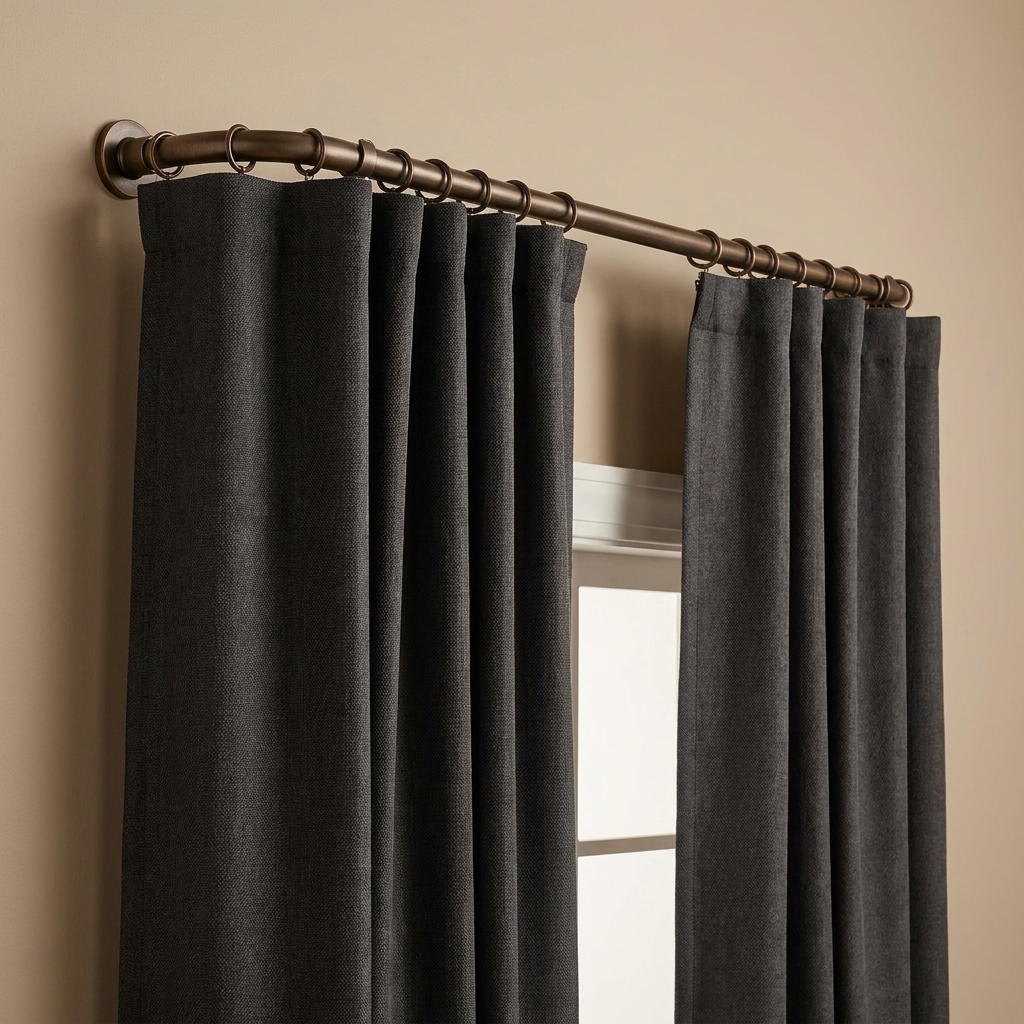
- Mount the rod high and wide: Extend the rod 6 to 12 inches past each side of the window if wall space allows.
- Use a wraparound or return rod: This is a curtain rod whose ends curve back toward the wall, which helps block side light.
- Check the top edge: Grommet-top curtains can leave small gaps near the rod. Consider back tabs, pinch pleats, or a curtain track if you want the tightest seal.
- Add a valance or cornice: If you have strong overhead light from a streetlamp, a top treatment can eliminate that “halo” glow.
- Consider a track system: Curtain tracks (ceiling or wall mounted) create a more continuous barrier and can be excellent for true blackout.
Worth paying for
I am not going to pretend there is one perfect curtain for everyone. Instead, here are the highest-impact “buy” categories. You can match them to your room and budget and still end up with a genuinely dark sleep environment.
Streetlights and early sun
If you live near a bright streetlight or you get intense morning sun, prioritize heavier 100% blackout panels and a wraparound rod. This combination addresses both fabric transmission and edge leakage. It is also renter-friendly.
Day sleepers
If you sleep during the day (night shift, new parent nap schedule, migraine recovery), I recommend a two-layer system:
- Blackout curtain panels
- Blackout shade or blackout window cover behind them
The curtain handles gaps and aesthetics. The shade or cover handles the “sun through everything” problem.
Hot sleepers
Thermal curtains can reduce heat gain, but they can also reduce airflow if your window is a key ventilation source. Look for:
- Thermal blackout panels plus a fan for airflow (box fan, tower fan, or a quiet bedside fan)
- Breathable bedding and a cooling pillow so you are not relying solely on window airflow
Style-first rooms
If you care about how your space looks, a beautiful front drape with a dedicated blackout liner can give you the best of both worlds. Just confirm the liner is described as blackout (not merely “privacy”) and that it extends fully to the curtain edges.
Sleep masks
Even with great curtains, masks can be a game-changer for:
- Travel and hotel rooms
- Partner night-owl light use
- Early sunrise seasons
- Renter setups where you cannot change hardware
What makes a mask work
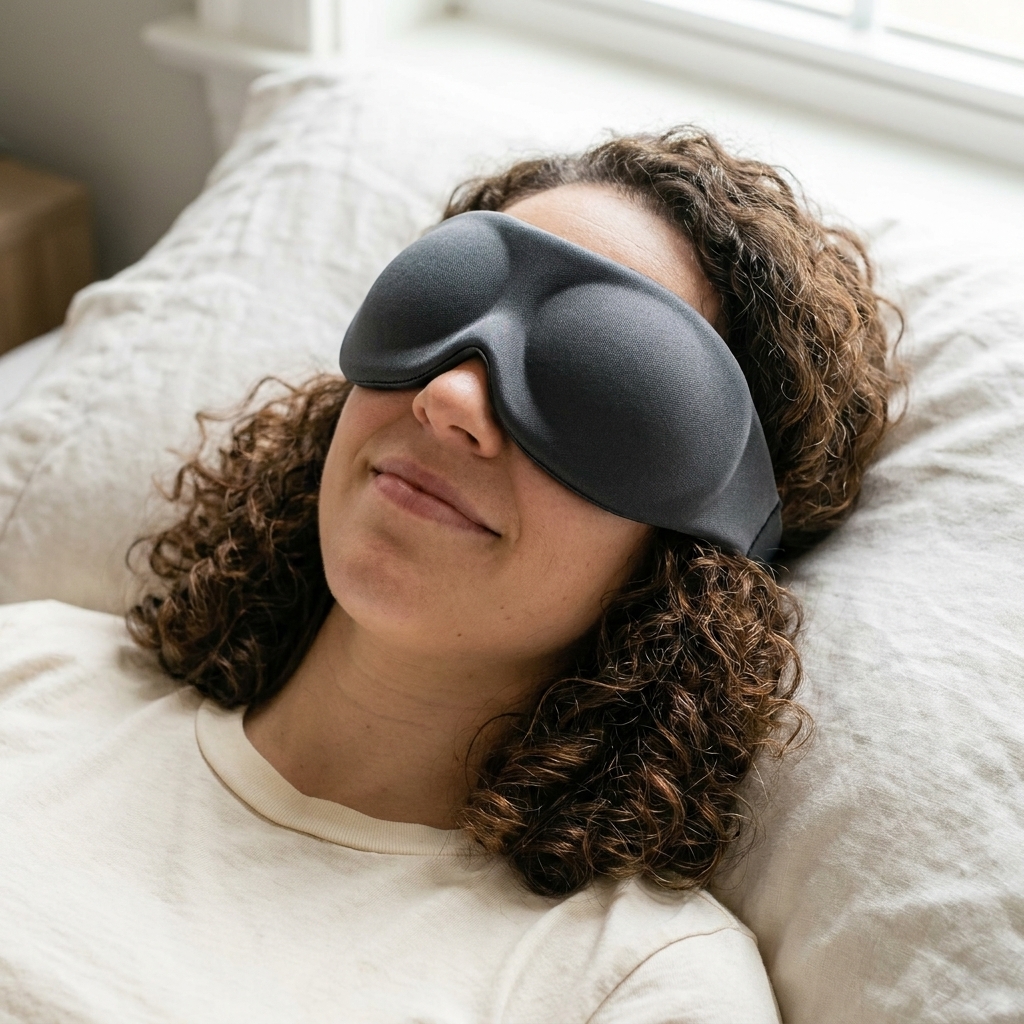
- Total light seal at the nose bridge: This is the number one failure point. Look for a contoured nose area or an adjustable wire bridge.
- Comfortable strap system: A single thin elastic can slip and create pressure. A wider band or adjustable strap tends to stay put.
- Eye space: If you dislike pressure on your eyelids or you have lash extensions, choose a contoured “3D” mask that creates a dome over the eyes.
- Breathable materials: Hot sleepers often do better with bamboo viscose, cotton, or moisture-wicking synthetics. Silk feels lovely but can run warm for some people.
- Easy cleaning: Masks touch skin and absorb oils. Washability matters for both comfort and acne prevention.
Mask picks
Best overall
A contoured mask with an adjustable strap is usually the sweet spot of comfort and light blocking. If you have tried flat masks and found they leak light near the nose, this is the upgrade.
Best for side sleepers
Side sleepers often hate bulky masks because the pillow pushes them out of place. Look for a slimmer contoured profile and a strap that sits flat at the back of the head.
Best for sensitive skin
If your skin gets irritated easily, prioritize a mask with a soft natural-fiber face side. Silk and cotton can both work. The “best” depends on your heat tolerance and how often you will wash it.
Best for travelers
For travel, I like having two masks: one in your carry-on and one that lives in your toiletry bag. Travel fatigue is real, and scrambling for a mask at 11 p.m. in a hotel room is not ideal.
3-minute light test
You do not need a fancy meter to find the worst offenders. Try this tonight:
- Turn off all lights in your bedroom.
- Wait 60 seconds for your eyes to adjust.
- Look for glow points: window edges, under the door, LEDs on chargers, router lights, humidifier displays, smoke detector flashes.
- Fix the biggest leak first. One streetlight gap can matter more than five tiny LEDs.
Optional: get a number
If you want an objective read, a lux meter app can be a helpful rough check. Phone sensors vary a lot, so treat it as a trend tool, not a lab instrument. As a general reference point, many people find they sleep best in very low light (think single-digit lux or lower), but your eyes and your sleep quality are the real proof.
Quick fixes
- Door draft stopper for hallway light
- Black electrical tape or LED dimming stickers for electronics (avoid covering anything you need for safety)
- Binder clips to clamp curtain edges temporarily
- Velcro dots to secure curtain sides to the wall (renter-friendly if used carefully)
Safety note
If you are prone to falls, have kids navigating at night, or are caring for someone who needs to get up, total darkness may not be the goal everywhere. Consider a low, warm nightlight in the hall or bathroom rather than adding light to the bedroom itself. If total darkness makes you feel anxious, that is also a real factor. A dim, warm, indirect light outside the bedroom can be a good compromise.
Also, do not disable, block, or tamper with smoke or carbon monoxide alarms. If a status light is bothering you, the safer fix is usually repositioning line-of-sight or addressing other room light leaks first.
What pairs well
If you want the “cave effect,” these add-ons help:
- Blackout roller shade under curtains: great for daytime sleepers and west-facing windows.
- Cellular shades: add insulation, can reduce light, and help with temperature stability. Not all are blackout, so confirm before buying.
- Blackout window film: can cut a lot of light, but results vary by product and installation. Many versions are semi-permanent, can be annoying to remove, and may not be renter-approved. If you go this route, confirm removability and test a small corner first.
If you struggle with circadian rhythm consistency, remember the other half of the equation: you still want bright light during the day, especially morning light, when your schedule allows. Darkness at night and brightness in the morning is the classic pairing. If you work from home, do not live in cave-mode all morning. Open the curtains or get outside early when you can.
Common mistakes
- Mistake: Buying “room darkening” curtains and expecting total darkness.
Do instead: Look for “100% blackout” and plan to manage edge leaks. - Mistake: Hanging curtains inside the window frame.
Do instead: Mount higher and wider than the frame to cover gaps. - Mistake: Ignoring the top gap at the rod.
Do instead: Use a return rod, a valance, or a track system. - Mistake: Wearing a mask that presses on your eyelids and you rip it off at 2 a.m.
Do instead: Try a contoured mask with eye space and an adjustable strap.
FAQ
Do blackout curtains improve sleep?
They can, especially if outside light is contributing to delayed sleep onset, frequent awakenings, or early wakeups. The biggest improvements tend to happen when curtains are paired with good edge sealing, since light leaks are often the true culprit.
Is a sleep mask as good as curtains?
For blocking light at the eyes, a well-fitting sleep mask can be just as effective and sometimes more effective than curtains that leak. Curtains still matter for overall room darkness and comfort, especially if you are sensitive to ambient glow or you find masks uncomfortable.
Silk or foam masks?
Neither is universally better. Silk feels gentle and can be great for sensitive skin, but fit and light seal matter more than fabric. Contoured foam designs often seal better and keep pressure off the eyelids. If you run warm, prioritize breathable linings and a secure fit that does not require tight tension.
How dark should a bedroom be?
Practically speaking, you want it dark enough that you cannot make out objects clearly once your eyes adjust. If you can see a distinct glow from the window, hallway, or device LEDs, you likely have room to improve. If you prefer a more objective check, use a lux meter app as a rough trend tool and aim for very low readings, keeping in mind phones are not precision instruments.
I cannot change my curtain rod. What can I do?
Use what you can control: add wider panels, use binder clips or Velcro dots to reduce side gaps, add a draft stopper for door light, and keep a high-quality sleep mask on your nightstand for consistent darkness.
Buying checklist
If you want the quick version, here is what I would personally check before buying.
Blackout curtains
- Marked “100% blackout” or “total blackout” (then assume installation still matters)
- Panels wide enough for 1.5 to 2x fullness
- Plan for edge control: wraparound or return rod, track, or wall attachment
- Thermal backing if temperature swings are a problem
Sleep mask
- Good nose-bridge seal with minimal light leak
- Adjustable strap that stays put
- Contoured eye cups if you dislike eyelid pressure
- Washable materials you will actually keep clean
If you make your bedroom reliably dark, you are giving your brain a consistent “night signal.” That consistency is what your circadian rhythm loves. And in my experience, it is one of the simplest ways to make sleep feel less like a battle and more like a biological default.