
Reset your circadian rhythm in one week with a gentle, evidence-based protocol: light, timing, movement, naps, caffeine cutoffs, and a wind-down that actuall...
The Rest Pact
Updated October 18, 2026
Created October 18, 2026
9 Ways to Align Your Circadian Rhythm for Deeper Sleep

Maya Caldwell
Maya Caldwell is a certified sleep science coach and the lead researcher at RestPact. After overcoming years of chronic insomnia, she dedicated herself to making evidence-based sleep strategies accessible, helping others build bedtime routines that lead to deep, restorative rest.
If you have ever felt tired all day but wide awake at bedtime, you are not broken. Your body clock is just out of sync.
Your circadian rhythm is your internal 24-hour timing system. It coordinates when your brain wants you alert, when your body temperature peaks, when digestion runs fastest, and when melatonin rises to make sleep feel natural. The good news is that circadian timing is often adjustable. With the right cues, especially light, many people can nudge sleepiness to show up closer to when they want it. Individual factors like chronotype, age, medications, and certain health conditions can set real limits, so think “improve” rather than “perfect.”

Below are nine evidence-based ways to support a healthier circadian rhythm for deeper sleep. You do not need to do all nine perfectly. Pick two or three that feel doable this week, then build from there.
1) Get outdoor light early
If you do only one body clock habit, make it this one. Morning light is the strongest daily signal for setting your brain’s master clock in the suprachiasmatic nucleus. For most people, getting bright light early in the day helps the clock shift earlier over time, improves daytime alertness, and makes the sleep window more predictable.
How to do it
- Aim for 5 to 15 minutes outside soon after waking. In winter, at high latitudes, or on very overcast mornings, you may need longer, often 20 to 30 minutes.
- Look toward the sky, not at the sun. No sunglasses if it is comfortable and safe.
- If you wake before sunrise, turn on bright indoor lights immediately and still get outside as soon as it is light.
Why outside matters: Even a bright indoor room is dim compared to outdoor daylight. Your clock notices the difference, and brightness matters more than exact minutes.
2) Keep a steady wake time
As a former chronic insomniac, I know how unfair this feels. But in circadian science, wake time is the anchor. Sleeping in late can push your clock later, which often makes the next night harder.
What to aim for
- Choose a wake time you can keep within 30 to 60 minutes most days.
- If you had a rough night, keep wake time steady and use an early afternoon nap only if truly necessary.
Reframe that helps: A consistent wake time is not punishment. It is how you teach your body when “daytime” starts so “nighttime” can arrive on schedule.
3) Use evening darkness
Light at night delays melatonin and tells your brain to stay in daytime mode. This is especially true for bright, blue-enriched LEDs and screens, but overall brightness matters too.
Try a two-step dim-down
- Two hours before bed: start lowering the lights in your home.
- One hour before bed: switch to lamps only, warm bulbs if you have them, and reduce overhead lighting.
If screens are part of your evening, use night mode and turn the brightness down. Better yet, move screen time earlier and protect the last 45 to 60 minutes as low light. If you are very sensitive to light, blue-blocking glasses may help, but the biggest win is simply making the room dimmer.

4) Get light near sunset
This one is underused. Getting natural light in the late afternoon or around sunset can strengthen day-night contrast for your circadian system. It is like showing your brain a clear “day is ending” signal, which can make evening wind-down feel more natural.
- Take a 10 minute walk in the hour or two before dusk if your schedule allows.
- If you live where winter sunsets come absurdly early, this still counts. Pacific Northwest neighbors, I see you.
5) Time caffeine wisely
Caffeine does not just make you feel alert. It can reduce sleep pressure and, for many people, make sleep lighter or more fragmented, especially if it is still active in your system at bedtime. Caffeine’s half-life varies widely, often cited around 3 to 7 hours, and it can be longer in pregnancy or with certain medications and liver differences.
A rule of thumb
- Set a caffeine cutoff 8 to 10 hours before bed. If you go to sleep at 11 pm, consider stopping by 1 to 3 pm.
- If you are sensitive or dealing with insomnia, try a noon cutoff for two weeks and reassess.
Optional experiment: If mornings are brutal, try delaying caffeine 60 to 90 minutes after waking for a week and see how you feel. Some people notice fewer late-day crashes and less afternoon overcaffeination. If it makes your morning worse, skip it.
6) Keep meals consistent
Food timing is a real signal for peripheral body clocks in organs like the liver and gut. Irregular meal timing and late heavy dinners can disrupt sleep for very practical reasons like reflux, discomfort, and overnight blood sugar swings, and may also weaken day-night cues for the body.
What to try
- Eat your first meal within 1 to 2 hours of waking most days.
- Finish your last substantial meal 2 to 3 hours before bed.
- If you get hungry at night, choose a small, easy snack and keep lights low.
For many people, earlier dinner is one of the fastest ways to reduce middle-of-the-night wake-ups linked to reflux or digestive discomfort.
7) Exercise to support sleep
Regular movement improves sleep depth and circadian stability. Timing matters mostly if your workouts are very intense.
General guidance
- Morning or midday exercise can help shift the clock earlier and boost daytime alertness.
- Late afternoon is often a sweet spot for performance and can still support sleep for many people.
- If you love evening workouts, keep them moderate and give yourself 2 to 3 hours to cool down before bed.
Watch your personal pattern. If you feel wired at bedtime after night workouts, your body is giving you useful data.
8) Keep naps strategic
Naps can be restorative, but they can also steal sleep pressure from the night. If your goal is deeper sleep, naps should support your schedule, not compete with it.
Napping rules of thumb
- Best time: early afternoon, often 1 to 3 pm.
- Best length: 10 to 20 minutes for a refresh, or about 90 minutes if you want a full sleep cycle. (Cycles vary, so treat this as an estimate.)
- Avoid naps after 3 to 4 pm if you struggle with falling asleep.
If you are correcting a delayed circadian rhythm, treat late naps like late caffeine. They can keep you up even if you feel exhausted.
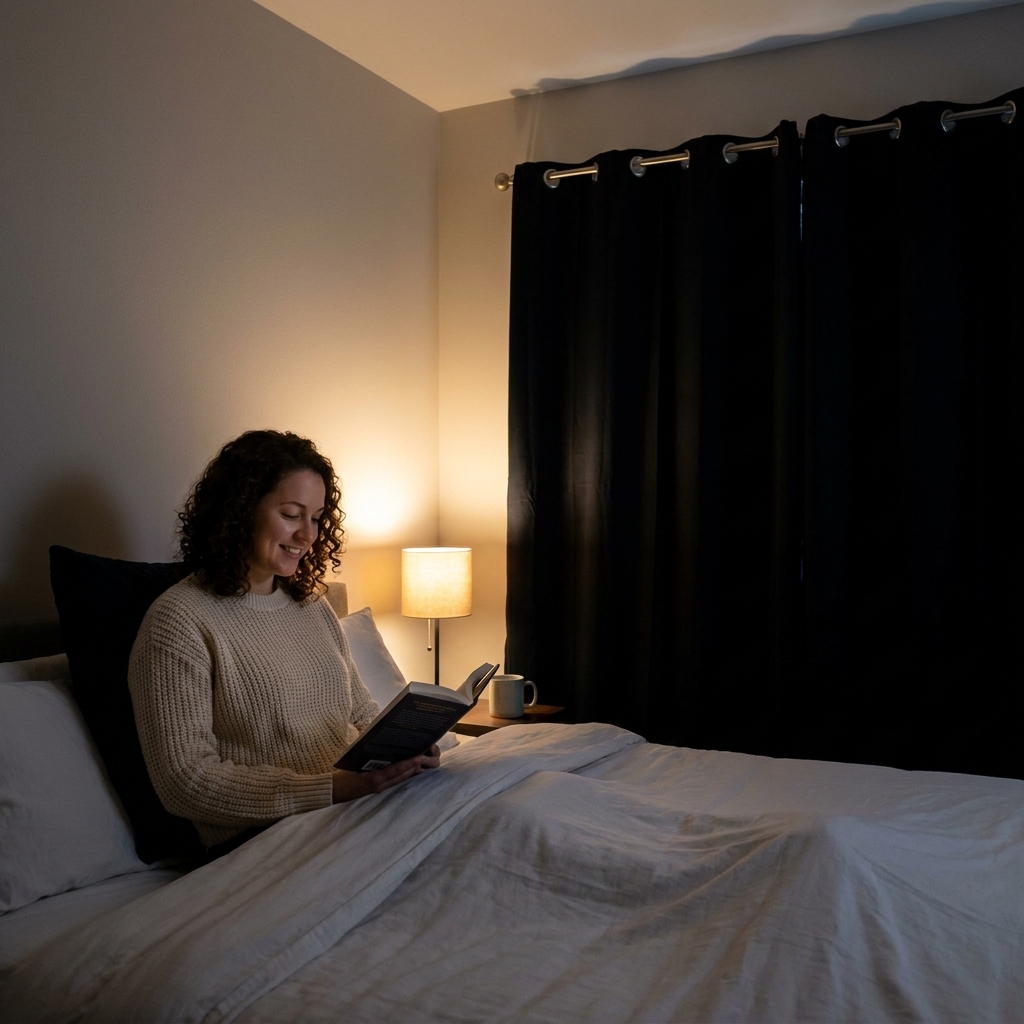
9) Build a calm wind-down
From a chronobiology standpoint, wind-down is partly about light and timing. From a nervous system standpoint, it is about signaling “you are safe now.” When people tell me they cannot sleep, what I often hear underneath is that bedtime has become a test they feel they are failing.
A low-pressure 30 minute routine
- Dim lights and put your phone on charge out of reach.
- Warm shower or wash your face and hands, then let your body cool slightly after.
- Same two calming cues nightly: light stretching, a few pages of a familiar book, or chamomile tea.
- Bedroom conditions: cool, quiet, and dark. Blackout curtains are not a luxury in my book.
If you are wide awake and getting frustrated for around 20 minutes, get up and do something calm in low light until sleepy. This protects your bed as a cue for sleepiness, not for rumination.
Putting it together
If you want a straightforward way to start, try this for 10 to 14 days.
- Wake: same time daily, open curtains immediately
- Within 60 minutes: get outdoor light, even briefly
- Morning: first meal within 1 to 2 hours
- Midday: move your body, caffeine cutoff 8 to 10 hours before bed
- Evening: dinner 2 to 3 hours before bed, dim the house lights
- Last hour: low light, calming routine, cool dark bedroom
Circadian shifts tend to happen gradually. Many people notice earlier sleepiness within several days, but deeper stabilization often takes a couple of weeks of consistency.
FAQ
How do I know if my circadian rhythm is off?
Common signs include feeling most alert late at night, difficulty waking even after adequate time in bed, weekend sleep-ins followed by Sunday night insomnia, and a pattern of being sleepy at the “wrong” times. If you can sleep well when allowed to sleep very late and go to bed very late, you may have a delayed sleep phase tendency.
Can I fix my circadian rhythm without supplements?
Often, yes. Light timing, consistent wake time, and evening dimness are the biggest levers. Supplements like melatonin can be helpful in some situations, but timing and dose matter, and more is not better.
What about melatonin?
If you use melatonin, lower doses are often enough. Many clinicians start with roughly 0.3 to 1 mg, timed earlier in the evening for circadian shifting, rather than high doses right at bedtime. Talk with a clinician first if you are pregnant, taking other medications, managing a mood disorder, or considering melatonin for a child.
How fast can I shift my schedule?
Small shifts are usually smoother. Think 15 to 30 minutes earlier every few days, paired with earlier morning light and earlier evening dimness. If you try to jump your bedtime by two hours overnight, your clock often refuses.
What if I work night shifts?
Shift work is a special case because your environment fights your biology. You can still improve sleep by keeping a consistent sleep block on workdays, using bright light strategically during the first part of your shift, wearing sunglasses on the commute home if it is sunny, and using blackout curtains and a cool room to protect daytime sleep. On days off, try not to completely flip your schedule if you can avoid it. Even a partial “anchor sleep” at the same time daily can help.
When to get help
Sleep tips are powerful, but they are not a substitute for medical care. Talk to a clinician if you have loud snoring, gasping or choking in sleep, persistent insomnia lasting more than three months, restless legs symptoms, or significant anxiety or depression. If you have bipolar disorder or a history of mania, be cautious with aggressive sleep schedule changes and get guidance first.
A gentle reminder
When you are sleep deprived, every tip can feel like one more thing to do perfectly. You do not need perfection. You need clear signals, repeated often enough that your body starts trusting the pattern.
Start with morning outdoor light and a steady wake time. Add evening dimness next. Those steps alone can create a noticeable shift in how naturally sleep arrives.