How long should a daytime nap be? Use sleep-cycle basics to pick the right nap length, boost afternoon performance, and protect your nighttime sleep drive.
The Rest Pact
Updated October 18, 2026
Created October 18, 2026
The Power Nap Protocol

Maya Caldwell
Maya Caldwell is a certified sleep science coach and the lead researcher at RestPact. After overcoming years of chronic insomnia, she dedicated herself to making evidence-based sleep strategies accessible, helping others build bedtime routines that lead to deep, restorative rest.
I love a good nap. I also respect naps the way I respect espresso: powerful, useful, and absolutely capable of backfiring if you take it too late or too strong.
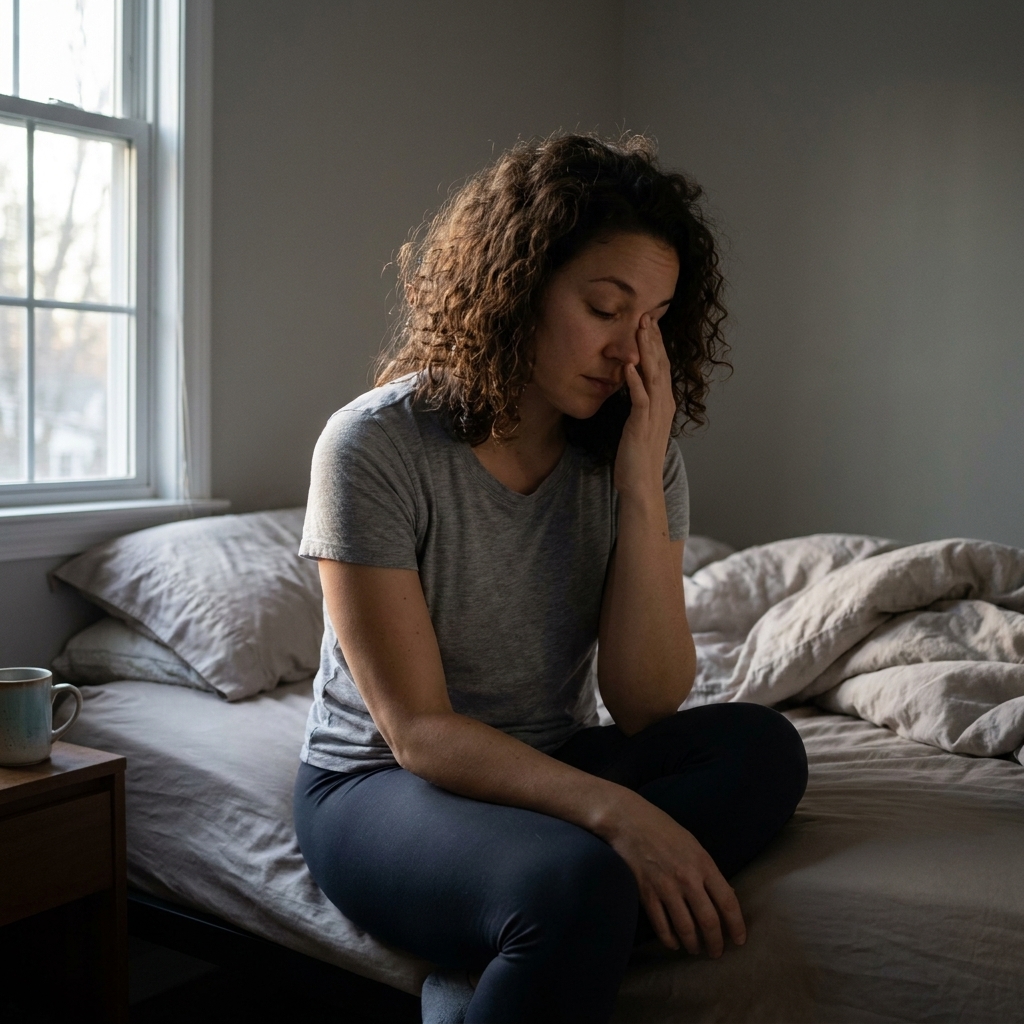
If you have ever nodded off “just for a few minutes” and then spent the night staring at the ceiling, you have met the two forces that decide whether a nap helps or hurts: sleep drive (how much sleep pressure you have built up) and your circadian rhythm (your body’s internal timing system).
This is the Rest Pact nap protocol I use with clients who want sharper focus and less afternoon fog without sacrificing nighttime sleep.
Why naps can help or hurt
Think of sleep like a two-part system:
- Sleep drive builds the longer you are awake. A nap lowers it. If you lower it too much, especially later in the day, bedtime can get harder.
- Circadian rhythm creates natural dips and peaks in alertness across the day. Many people get a dip in the early afternoon, which is why naps can feel so irresistible.
The goal of a “good” nap is simple: take the edge off sleepiness without draining your sleep drive so much that you cannot fall asleep at night.
The Rest Pact nap rules
Rule 1: Keep naps early
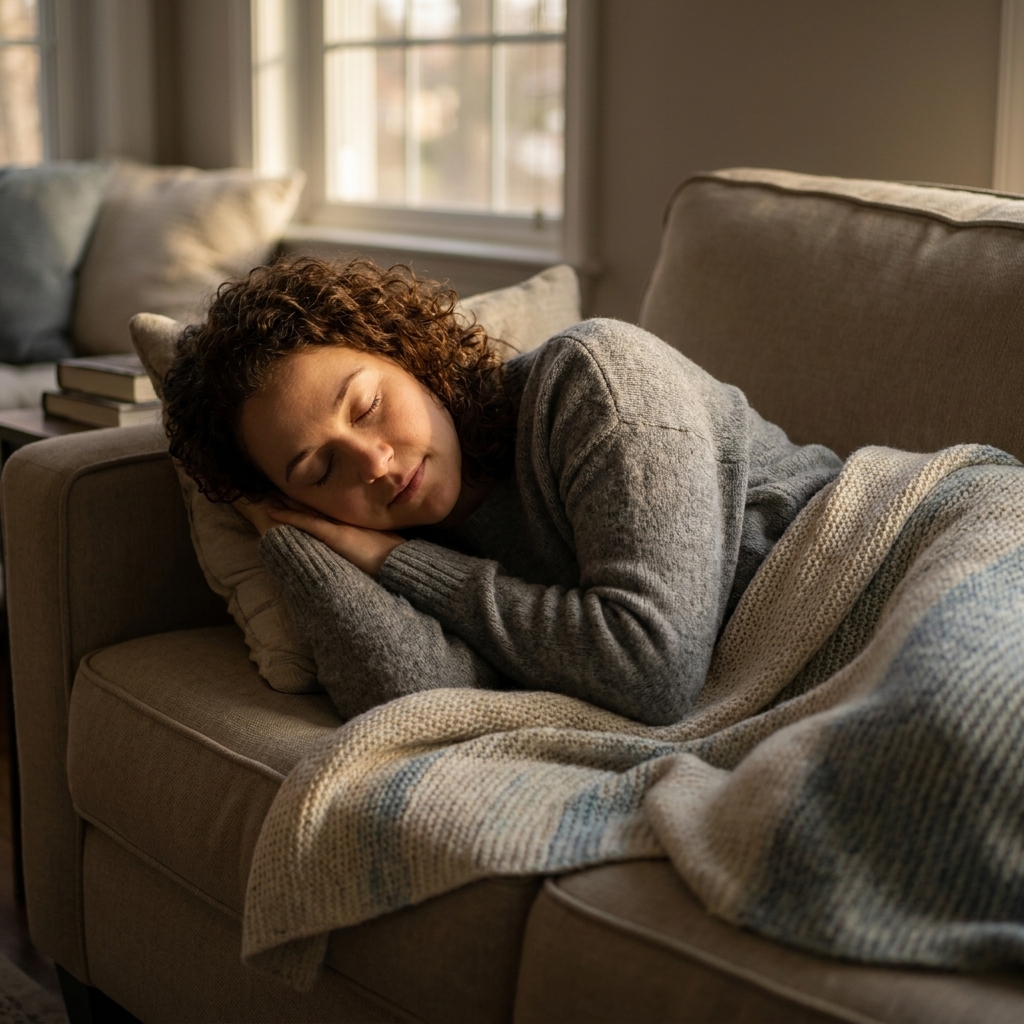
For most adults, the nap sweet spot is early to mid-afternoon. A practical starting point is to finish your nap roughly 6 to 8 hours before bedtime (or, for many people with a typical schedule, before about 3:00 to 4:00 p.m.), then adjust based on how your night sleep responds.
- If you go to bed at 10:30 p.m., try to be done napping by about 2:30 to 4:30 p.m.
- If you go to bed at midnight, you may have a bit more room, but earlier is still easier on your night sleep.
Late afternoon naps tend to be the ones that “mysteriously” turn into bedtime insomnia for many people because they reduce sleep drive right when you need it rising.
Rule 2: Pick the right nap length
Most nap problems are not because someone napped. They are because someone overshot into deeper sleep stages and woke up groggy, or because the nap was long enough to blunt nighttime sleepiness.
Use one of these commonly recommended nap lengths, with the understanding that responses vary by person, timing, and sleep debt:
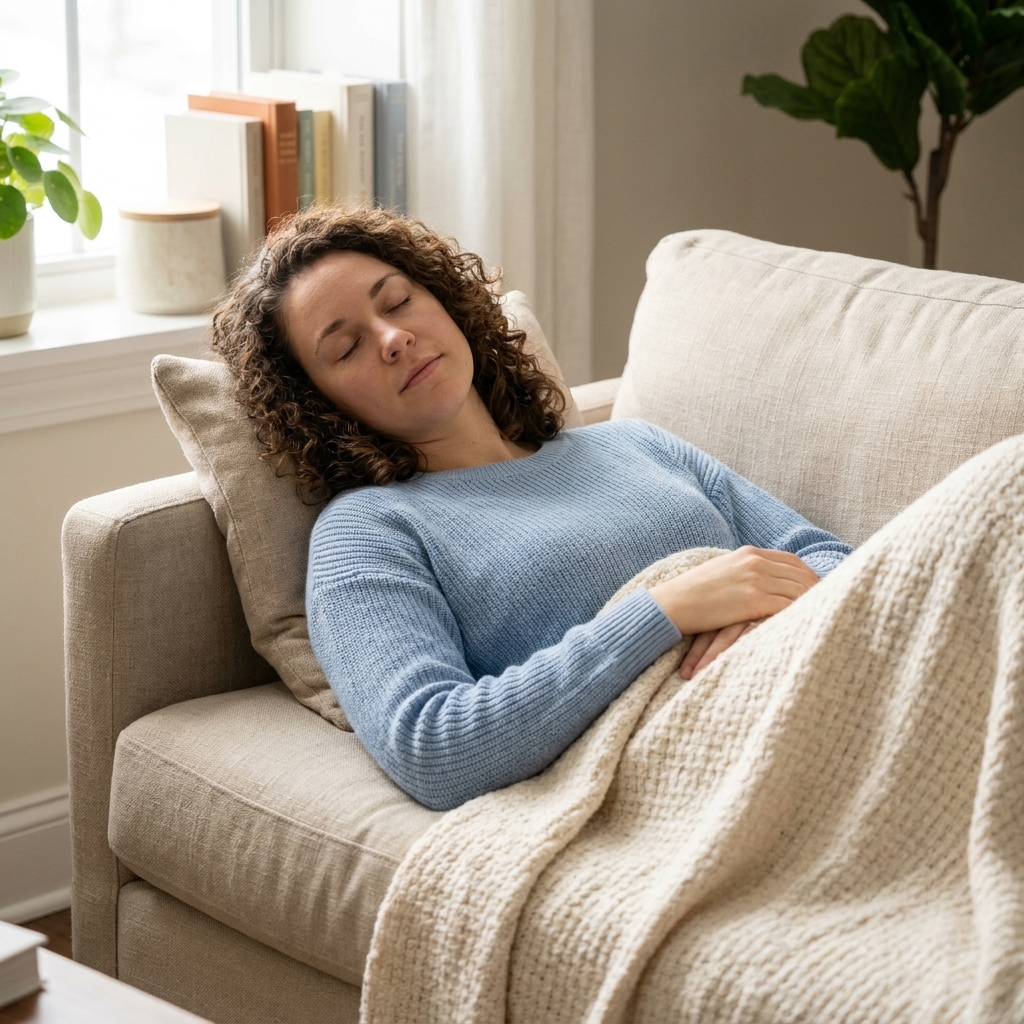
- 10 to 20 minutes: Best for a quick reset. Often improves alertness and mood with minimal sleep inertia.
- 30 minutes: Can help, but many people wake up foggy because you may drift into deeper sleep.
- 60 minutes: More likely to include deeper non-REM sleep. Some people find this helpful for certain kinds of mental performance, but it can come with a groggy patch afterward.
- 90 minutes: Roughly a full sleep cycle for many people. This can reduce grogginess on waking, but it is more likely to affect nighttime sleep if taken too late.
If your number one priority is sleeping well tonight, start with 10 to 20 minutes.
Rule 3: Use two alarms
This is my project manager brain showing, but it works.
- Anchor alarm: set for your target nap length (for example, 18 minutes).
- Get up alarm: set 2 to 5 minutes later as a non-negotiable backup.
The second alarm protects you from the nap that turns into a 90-minute accident.
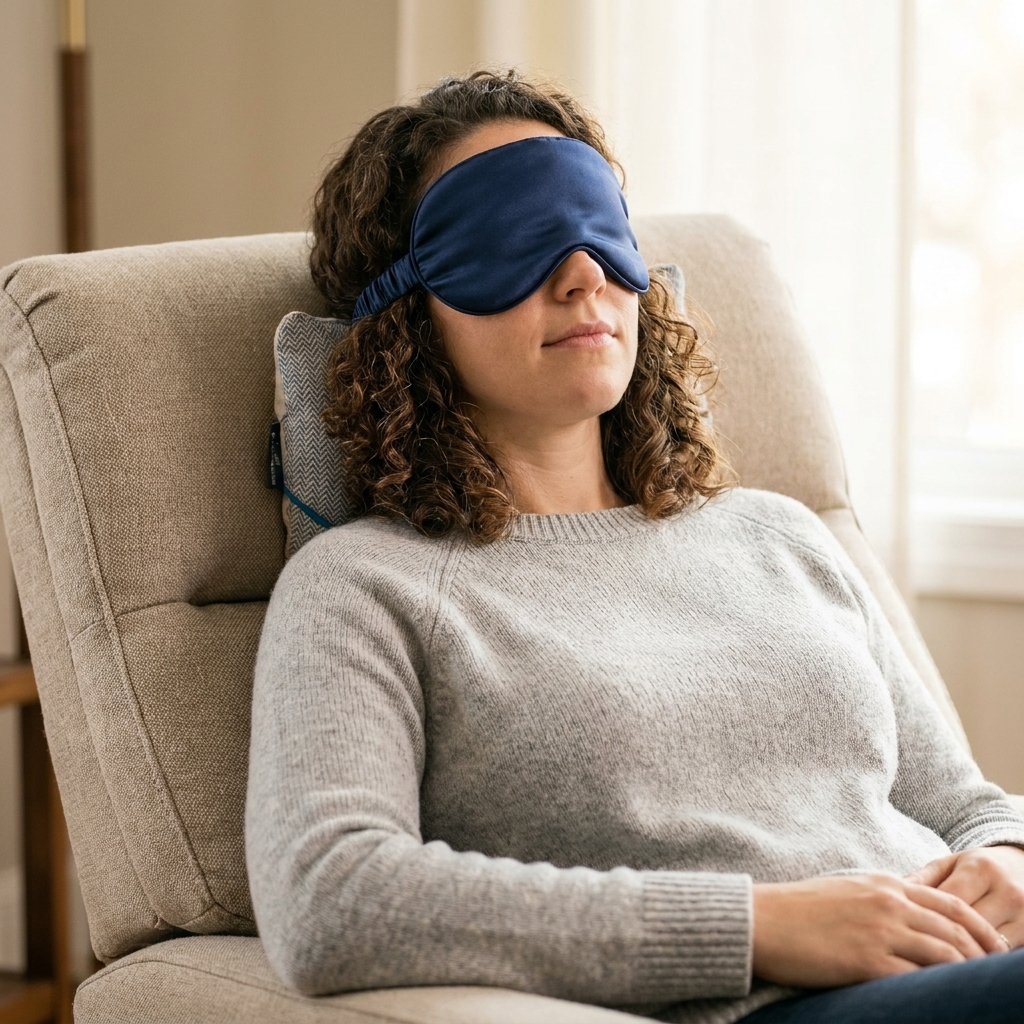
Rule 4: Make it easy to fall asleep
The best naps happen when you do not spend 25 minutes trying to nap. A simple environment checklist:
- Dim light. Close blinds or use an eye mask.
- Cool temperature. Slightly cool is nap-friendly.
- Quiet, or use steady background noise.
- Comfortable neck support if you are napping upright.
The caffeine nap
If you are dragging and need a sharper reboot, consider a caffeine nap:
- Drink a small coffee or tea fairly quickly.
- Immediately lie down for a 10 to 20 minute nap.
- Wake up as the caffeine is starting to take effect.
Why it can work: caffeine takes time to kick in, and a short nap can reduce sleepiness in the meantime. The combo can improve alertness more than either alone for some people.
Three cautions:
- If caffeine makes you anxious or disrupts your sleep, skip this.
- Avoid caffeine naps late in the day. Caffeine’s half-life is often around 3 to 7 hours, and it varies by person (including genetics, pregnancy, and certain medications), so effects can linger into bedtime.
- If you are sensitive, set a personal caffeine cutoff time (many people do best stopping by early afternoon).
Wake up without the fog
That heavy, cottony feeling after a nap is usually sleep inertia. It is more common when you wake from deeper sleep or when you are already sleep deprived.
To reduce grogginess:
- Keep naps short (10 to 20 minutes) if you need to be functional fast.
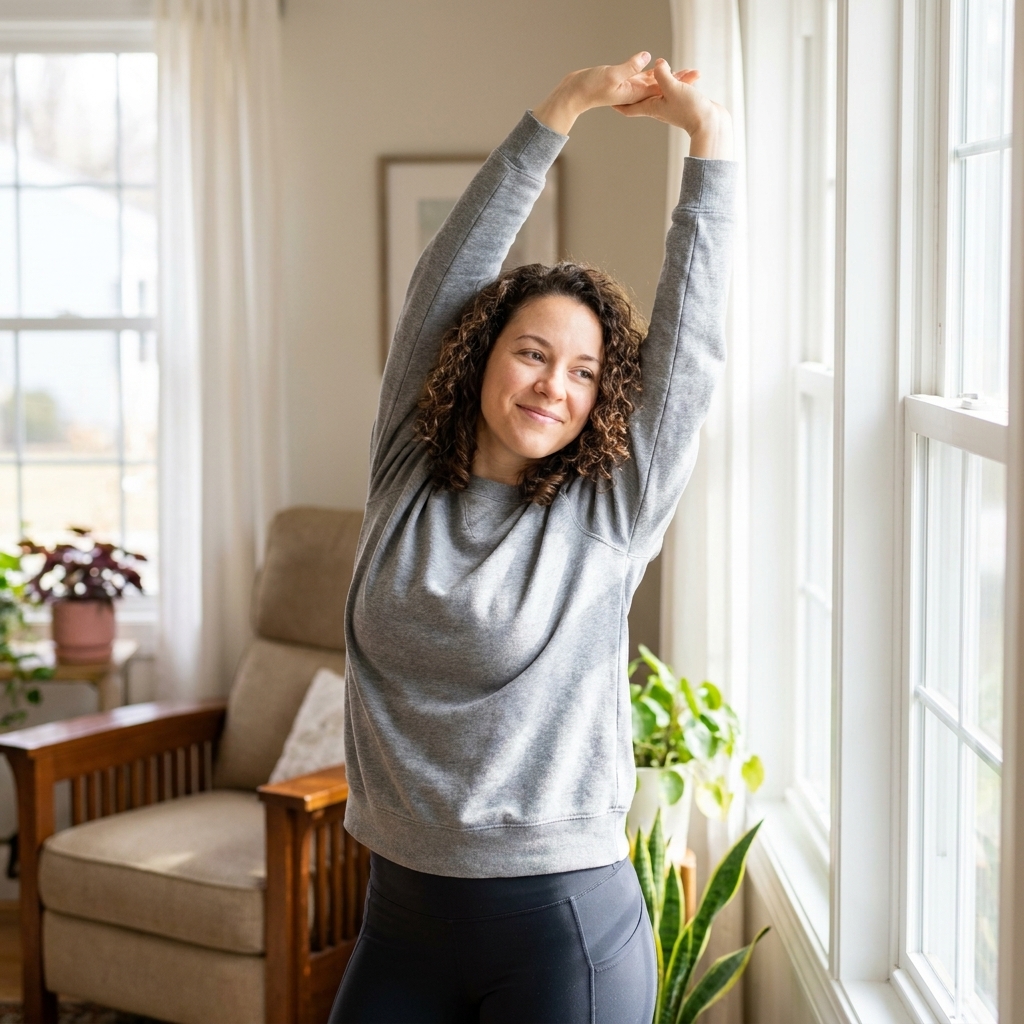
- Get light in your eyes soon after waking. Step outside if you can.
- Hydrate. A glass of water helps you transition.
- Move for 1 to 2 minutes. Gentle walking, a few squats, or shoulder rolls.
When naps need extra care
If you have insomnia
If you struggle to fall asleep or stay asleep at night, naps can sometimes keep the problem going by reducing sleep drive. That does not mean you must never nap, but it does mean you should be strategic.
- Many CBT-I style plans recommend temporarily avoiding naps while you rebuild sleep drive, especially early in treatment.
- If you truly need a nap, cap it at 10 to 15 minutes and keep it early.
If you are doing CBT-I or working with a clinician, follow that plan. Napping guidance can be different when insomnia treatment is in progress.
If you are sleep deprived
Naps can be helpful, but they are not a substitute for adequate nighttime sleep. If you are routinely running on 5 to 6 hours, your body may pull you into deeper nap sleep quickly, which increases grogginess and can complicate nighttime sleep.
Use naps as a short-term bridge while you rebuild your schedule, not as the main structure holding your week together.
If you are pregnant or parenting a newborn
Different season, different rules. In high sleep disruption phases, naps can be essential. I still recommend earlier naps when possible, but the priority becomes total sleep across 24 hours. If you can safely nap, take the nap.
If you suspect sleep apnea or another sleep disorder
Frequent uncontrollable napping, loud snoring, gasping, or severe daytime sleepiness can be a sign of a sleep disorder. Naps might provide temporary relief, but they do not address the root cause. Bring these symptoms to a clinician or a sleep specialist.
Safety first
A nap is supposed to make your life easier, not riskier.
- Do not nap while driving or in any situation where you need to stay alert.
- If you are responsible for childcare, patients, or safety-critical work, make sure you have coverage before you lie down.
- If you nap at work, set alarms you will actually hear, and pick a spot where you will not miss something important.
Nap timing: quick guide
If you want an easy way to choose:
- It is early afternoon and you need a boost: take a 10 to 20 minute nap.
- It is earlier in the day and you are learning something intensive: consider 60 minutes, but expect a groggy patch afterward.
- You have time and feel deeply depleted: a 90 minute nap can help, but keep it early and watch your bedtime.
- It is late afternoon or evening: skip the nap. Use light, movement, water, and a snack instead.
If your schedule is unusual
If you are a night owl, a shift worker, or on a rotating schedule, “before 3 p.m.” may not mean much. Use the same principle instead: try to nap during your circadian low and finish the nap roughly 6 to 8 hours before your main sleep window. Then tighten or loosen based on whether your next sleep is easy and solid.
Common nap mistakes
Mistake: napping too late
Instead: move the nap earlier, or shorten it to a 10 to 15 minute “espresso shot” nap.
Mistake: lying down without a plan
Instead: set the two alarms, then commit to getting up when the second one hits.
Mistake: napping in bright light
Instead: dim the room or use an eye mask. Light is a powerful alerting signal for the brain.
Mistake: using a long nap to patch chronic sleep loss
Instead: protect your sleep window at night. Add 15 to 30 minutes to your time in bed for a week, then reassess.
FAQs
Is napping healthy?
For many people, yes. Short, earlier naps can improve alertness and mood. The main “unhealthy” part is when naps consistently interfere with nighttime sleep, or when frequent sleepiness signals an underlying issue that needs attention.
How long is too long for a nap?
If your goal is to protect nighttime sleep, anything beyond 20 to 30 minutes is more likely to reduce sleep drive and increase grogginess. Longer naps can be useful in specific situations, but they require earlier timing and more intention.
Why do I feel worse after a nap?
Usually sleep inertia from waking out of deeper sleep, or napping when you are significantly sleep deprived. Try a shorter nap, keep it earlier, and get bright light and movement right after waking.
Can I nap every day?
Some people can, especially with consistent, short, early naps. If you notice your bedtime drifting later, your sleep getting lighter, or more nighttime awakenings, treat that as feedback and reduce nap length or frequency.
When should I talk to a clinician about daytime sleepiness?
If you feel persistently sleepy despite getting adequate sleep, or you are dozing off unintentionally during the day, bring it up with a clinician. Excessive sleepiness can be a sign of an underlying sleep disorder or another health issue worth checking.
Your two-sentence nap plan
If you want the simplest version of this whole guide, use this:
Nap early, and nap short. Aim for a 10 to 20 minute nap finished roughly 6 to 8 hours before bedtime, then get light, water, and a minute of movement when you wake.
That tiny protocol has saved me from countless 3 p.m. productivity crashes, and just as importantly, it has saved my nights.