Use a simple daily cutoff timeline to reduce sleep fragmentation and night sweats. Get practical caffeine and alcohol stop times, a gentle taper plan, and ea...
The Rest Pact
Updated October 18, 2026
Created October 18, 2026
The 10-3-2-1-0 Sleep Rule: Does It Actually Work?

Maya Caldwell
Maya Caldwell is a certified sleep science coach and the lead researcher at RestPact. After overcoming years of chronic insomnia, she dedicated herself to making evidence-based sleep strategies accessible, helping others build bedtime routines that lead to deep, restorative rest.
If you have ever stared at the ceiling at 2 a.m. thinking, Why can’t my brain just power down? I get it. I spent years trying to outwork my own biology, living on coffee and willpower. The 10-3-2-1-0 sleep rule is popular because it gives your evening a clear runway. But does it actually work, or is it just another internet routine that sounds nicer than it feels?
Here’s my evidence-informed take as a sleep coach and someone who spends a lot of time reading the research: the rule is directionally solid for many people, especially if your main issue is a messy schedule and too many stimulating inputs late at night. But it is not a universal fix, and it can backfire if you treat it like a pass or fail test.
What the rule is
The routine is a set of countdown cues leading into bedtime:
- 10 hours before bed: no more caffeine
- 3 hours before bed: avoid alcohol and heavy meals
- 2 hours before bed: no more work
- 1 hour before bed: avoid screens
- 0: hit snooze zero times in the morning
At its best, this is a behavioral fence around the two things that most reliably improve sleep: circadian alignment (sleeping and waking at consistent times) and lowered arousal (helping your brain and body shift from alert to safe and sleepy).
The science behind each step
10 hours: caffeine cutoff
This step is more evidence-based than it looks. Caffeine’s half-life is often cited at around 5 hours on average, but it varies widely between people. A meaningful amount can still be in your system at bedtime, especially if you are sensitive, pregnant, on certain medications, or a slower metabolizer. Even when you can fall asleep, late caffeine can reduce sleep depth and increase nighttime awakenings.
Does “10 hours” fit everyone? Not perfectly. Many people do fine with a 6 to 8 hour cutoff. Others need 10 to 12. If you regularly lie awake or wake up wired at 3 a.m., experiment with moving caffeine earlier by 60 to 90 minutes for a week and see what your sleep does.
Also important: “Caffeine” includes more than coffee. Tea, matcha, cola, energy drinks, pre-workout, and even some pain relievers count.

3 hours: alcohol and heavy meals
This is one of the most sleep-relevant parts of the whole rule because it affects the second half of your night, when many people start waking up and cannot get back to sleep.
- Alcohol: It can make you drowsy at first, but it often leads to lighter, more fragmented sleep later in the night and can worsen snoring and sleep apnea by relaxing airway muscles. Many people notice earlier awakenings and a “wired but tired” feeling after drinking.
- Heavy meals: Large, rich, or spicy meals close to bedtime can trigger reflux, indigestion, or general discomfort, all of which can interfere with falling asleep and staying asleep.
What to do instead: If you need something before bed, aim for a small, bland snack with a little carbohydrate and protein. Think yogurt, a small bowl of cereal with milk, or toast with nut butter. If reflux is common for you, keep dinner earlier and ask a clinician what is appropriate for your situation.
2 hours: stop work
If your brain is still in project manager mode at 10 p.m., sleep often becomes a negotiation instead of a biological process. Psychophysiological arousal is a major driver of insomnia, and work is a reliable arousal trigger: problem solving, emails, conflict, deadlines, bright screens, and the emotional charge of unfinished tasks.
Two hours is not magic, but the principle is: create a clean boundary between performance mode and recovery mode. This is especially helpful if you struggle with racing thoughts.
Try this: End your workday with a 5-minute brain offload list. Write down what is unfinished and the first next step for tomorrow. This reduces the odds your mind tries to keep working in bed.
1 hour: avoid screens
This one is both true and frequently misunderstood.
Screen time can affect sleep through two main pathways:
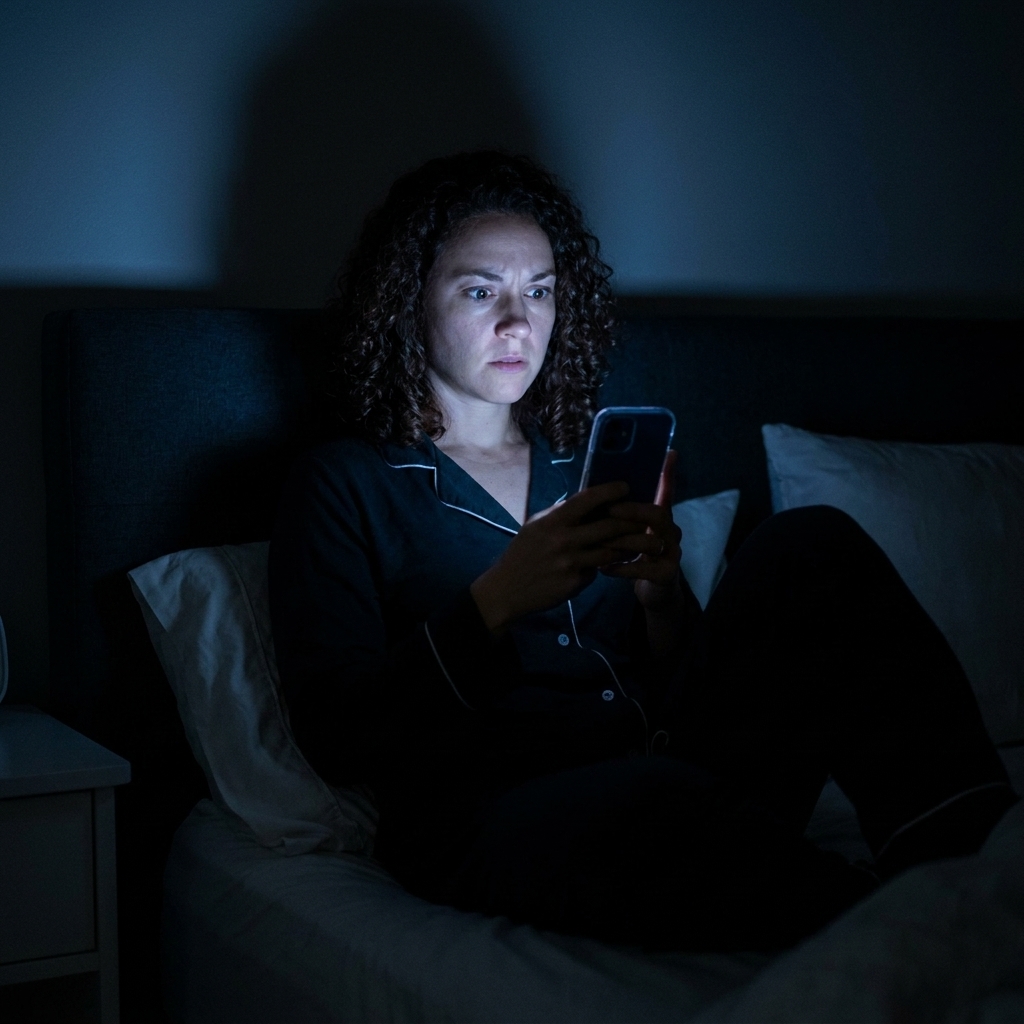
- Light exposure: Bright light in the evening can delay your internal clock for some people. In practice, brightness and duration tend to matter more than obsessing over “blue light” as a single villain, especially if your phone is very close to your face in a dim room.
- Mental stimulation: Often more important than the light is what you are doing. Doomscrolling, intense gaming, work email, or emotionally charged content can keep the nervous system activated.
Reality check: If “no screens” makes you anxious or is impossible, you can still benefit by dimming the screen, using warmer color settings, keeping content calm, and moving the device farther from your face. The goal is not screen purity. The goal is a nervous system that is actually winding down.
0: no snooze
There is a reason this one sticks. Hitting snooze tends to create fragmented, low-quality sleep, and it can reinforce the habit of stretched-out, groggy mornings and worsen sleep inertia.
From a circadian perspective, the bigger win is consistent wake time. A steady wake time strengthens your sleep drive and helps your body anticipate sleep at night.
But be gentle with yourself: If you are chronically sleep-deprived, the solution is not “more discipline.” It is earlier bedtime, fewer late-night disruptions, and possibly a medical check if sleepiness is severe.
Does it actually work?
For many people, yes, it can help. The rule targets several high-impact levers that commonly sabotage sleep: late caffeine, alcohol-related fragmentation, late work stress, stimulating screen time, and inconsistent mornings.
Where it falls short is that it assumes your sleep problem is mostly behavioral. If your sleep issues are driven by any of the following, the routine may help a little, but it will not be the whole answer:
- Clinical insomnia (especially if you feel anxious about sleep itself)
- Sleep apnea (snoring, gasping, morning headaches, extreme daytime sleepiness)
- Restless legs syndrome (uncomfortable leg sensations at night)
- Depression or anxiety affecting sleep
- Shift work or irregular schedules
- Perimenopause or menopause with night sweats or early awakenings
Think of the 10-3-2-1-0 rule as a helpful scaffold. It is not a diagnosis, and it is not a cure-all.
Common mistakes
1) Making it a moral test
If you “break” the rule one night, nothing is ruined. Sleep is responsive to patterns, not perfection. All-or-nothing thinking is a sneaky form of arousal.
2) Keeping bedtime flexible
The routine is framed around bedtime, but many people do not have a stable bedtime. If your wake time is fixed, start by stabilizing that first. Then let bedtime follow genuine sleepiness.
3) Fixing caffeine but ignoring light
You can do everything “right” and still struggle if you have very low daytime light exposure and very high evening light exposure. Morning outdoor light is one of the most underrated sleep supports because it anchors circadian rhythm.
4) Going screen-free but ruminating
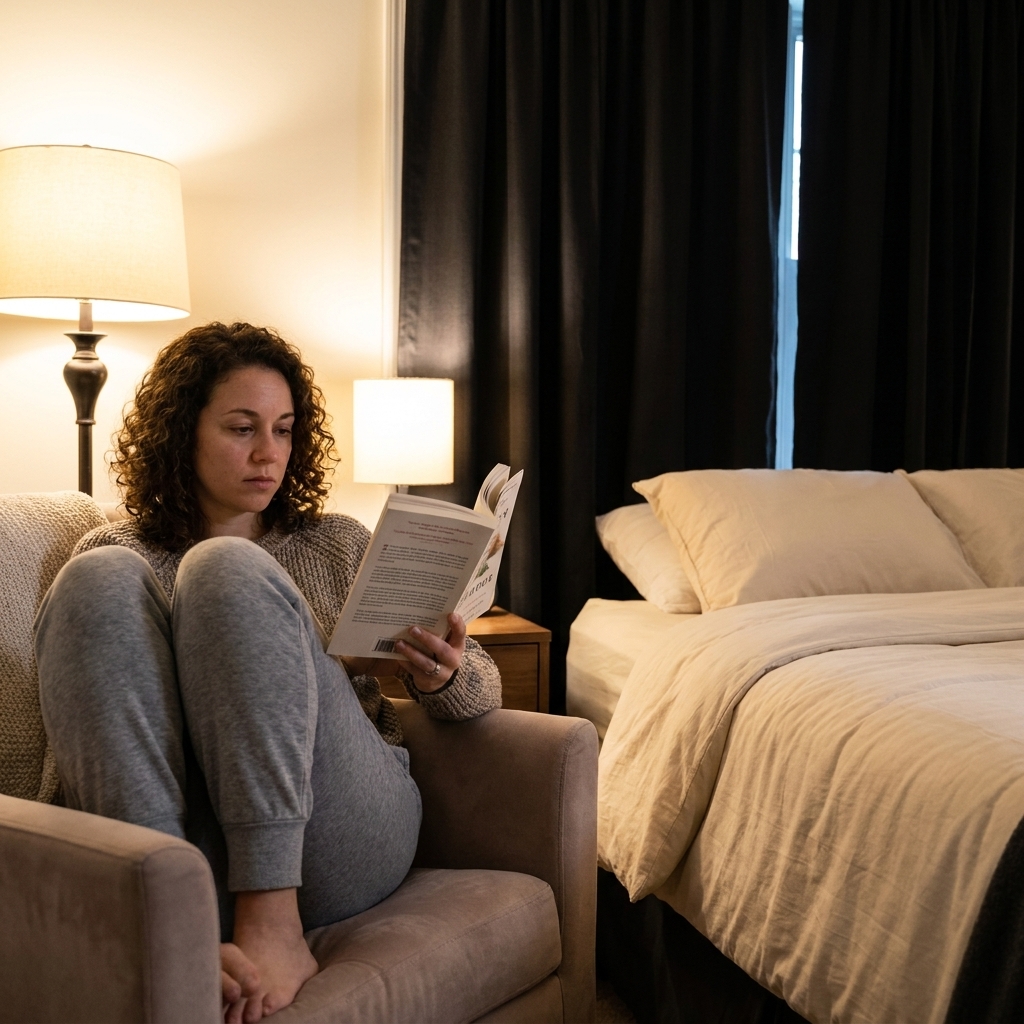
If you put the phone down and immediately start worrying, the issue is not the screen. It is the mental load. Add a wind-down activity that gives your brain a gentle track to run on, like a paper book, stretching, a shower, or a familiar audiobook at low volume.
A realistic version
If the original 10-3-2-1-0 feels too strict, try this flexible version that keeps the physiology intact:
- Caffeine: stop 8 to 10 hours before bed, earlier if you are sensitive
- Alcohol and heavy meals: aim for 3 hours, but even 2 hours is better than 30 minutes
- Work shutdown: a 10-minute closing ritual 60 to 120 minutes before bed
- Screens: last hour is “dim and calm,” not necessarily “none”
- Wake time: keep it consistent within about 30 to 60 minutes most days
And add two upgrades that are strongly supported by circadian research:
- Get outside light soon after waking, ideally within the first hour if you can
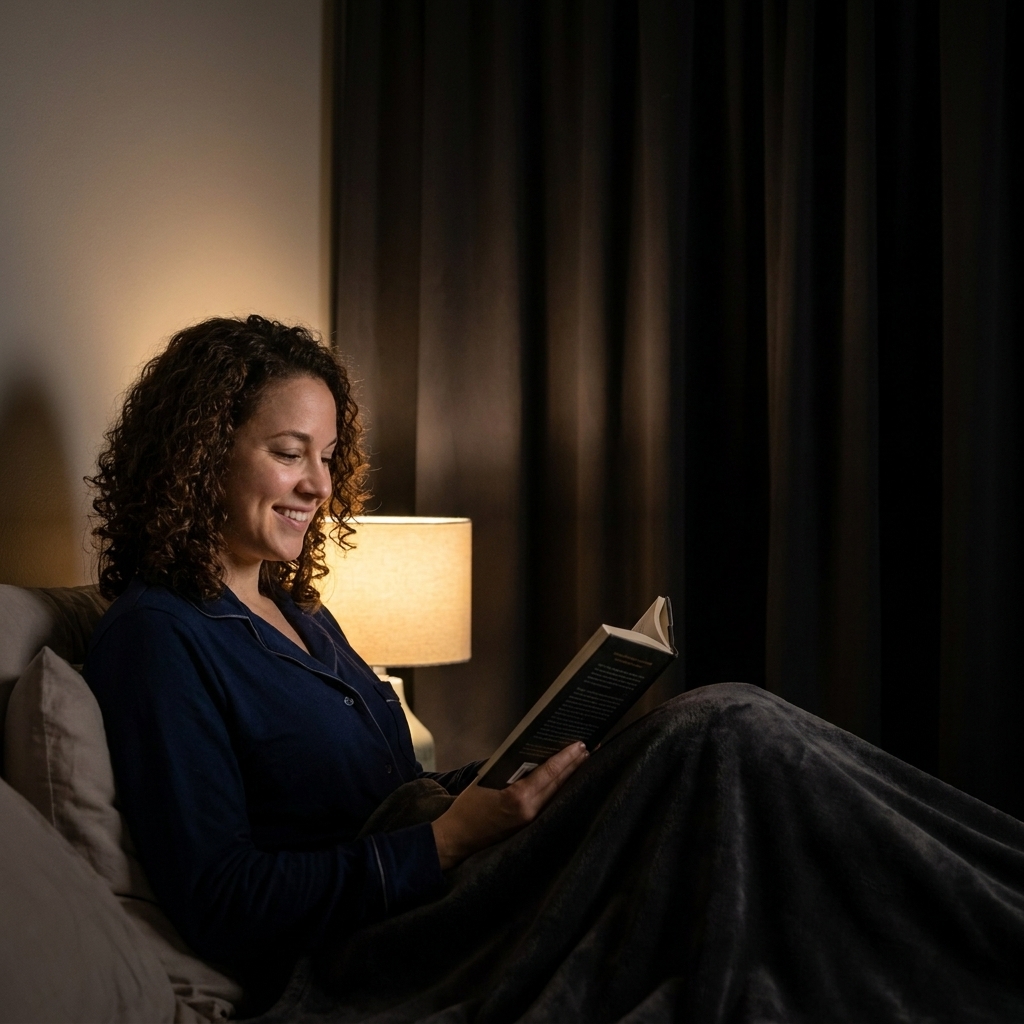
- Keep the bedroom cool and dark, ideally with true blackout curtains and minimal light sources
Two add-ons people ask about
Naps
If you nap, keep it short and earlier when possible. For many adults, a 10 to 20 minute nap or a nap before mid-afternoon is less likely to steal sleep from your night. If you have insomnia, naps can make nights harder, so treat them carefully.
Exercise
Exercise usually helps sleep, but timing is individual. Some people can work out late and sleep fine. Others feel keyed up for hours after vigorous evening training. If late workouts seem to delay sleep for you, shift intense sessions earlier and keep late exercise gentle, like walking or stretching.
Who should tweak it
If you have insomnia
If you regularly take more than 30 minutes to fall asleep, or you are awake for long stretches at night, a strict routine can sometimes increase performance pressure. Pair the routine with insomnia-friendly principles:
- Keep the bed for sleep and intimacy as much as possible
- If you cannot sleep, get out of bed and do a quiet activity in dim light until sleepy
- Consider CBT-I (cognitive behavioral therapy for insomnia), which has strong evidence and is often more effective long-term than sleep medications
If you are a parent or caregiver
Your nights might not be fully yours. Keep the spirit of the rule: protect caffeine timing, do a shorter wind-down, and prioritize consistent wake time and morning light. Even a 15-minute closing shift routine can help your body recognize the transition.
If you work late or across time zones
Focus less on the exact numbers and more on stable anchors:
- A consistent wake time when possible
- Strategic light exposure (bright earlier, dim later)
- A predictable wind-down sequence that tells your brain “we are safe now”
If you are in perimenopause or menopause
Night sweats and temperature instability can override even a perfect routine. The “3” and “1” still matter, but consider additional supports like breathable bedding, a cooling pillow, layered sleepwear, and talking with a clinician about symptoms and treatment options.
Try it for 7 days
If you want to test the 10-3-2-1-0 rule, do it like a researcher, not like a judge.
- Pick a target bedtime and wake time for the week.
- Track only two things: how long it takes to fall asleep, and how you feel at midday (energy, sleepiness, mood).
- Start with the highest-impact lever for you. For most people that is caffeine timing, alcohol timing, or stopping work earlier.
- Make it easy. Pre-set your phone to a warm, dim mode; prep a decaf tea; set a work shutdown alarm.
After 7 days, keep what helped and discard what did not. Your sleep routine should serve your life, not become another project to manage.
Quick FAQ
Is it really bad to drink caffeine after 2 p.m.?
For many people, yes. But the better question is: What does it do to your sleep? If you are taking a long time to fall asleep, waking often, or feeling unrefreshed, move caffeine earlier and watch the result for a week.
What if I cannot stop screens an hour before bed?
Make the last hour dim and boring. Lower brightness, use warm color settings, keep content calm, and avoid work, conflict, and news. If you can swap 10 minutes of scrolling for 10 minutes of a wind-down habit, that is a meaningful win.
Does alcohol really ruin sleep if it helps me fall asleep?
It can. Alcohol often shortens sleep onset but increases lighter, more fragmented sleep later in the night. If you wake up at 3 or 4 a.m. after drinking, this pattern is very common.
Is snoozing always bad?
Not a moral failing, but it is usually low-quality sleep. If you rely on snooze most mornings, treat it as a signal that your sleep schedule may need adjusting.
Evidence sources
This article reflects guidance and findings consistent with major sleep medicine and circadian research organizations, including the American Academy of Sleep Medicine (AASM) on behavioral sleep hygiene, established clinical evidence supporting CBT-I as a first-line treatment for chronic insomnia, and peer-reviewed circadian research on the role of bright morning light and dim evenings in shifting and stabilizing sleep timing.
Bottom line
The 10-3-2-1-0 sleep rule works best as a simple set of guardrails: protect your circadian rhythm, reduce late-night stimulation, and keep mornings consistent. If you treat it as flexible scaffolding and tailor the timing to your body, it can meaningfully improve sleep quality.
If you try it and you are still regularly lying awake, waking up gasping or choking, or feeling dangerously sleepy during the day, that is not a willpower problem. It is a good moment to talk with a clinician or a qualified sleep specialist. Better sleep is supposed to feel supportive, not like another job.