A step-by-step, research-driven bedtime routine you can personalize. Learn the key levers that help your brain and body transition into deeper, more consiste...
The Rest Pact
Updated October 18, 2026
Created October 18, 2026
7 Evening Habits Secretly Sabotaging Your Sleep

Maya Caldwell
Maya Caldwell is a certified sleep science coach and the lead researcher at RestPact. After overcoming years of chronic insomnia, she dedicated herself to making evidence-based sleep strategies accessible, helping others build bedtime routines that lead to deep, restorative rest.
If you are doing all the right things and still waking up tired, I want you to know something that took me years to learn the hard way: sleep is often sabotaged by the small, normal stuff we do at night. Not the big obvious choices, but the tiny routines that feel harmless. A late snack. A quick scroll. A couple of emails. A workout squeezed in at 9 p.m.
When I was a project manager living on coffee and adrenaline, I blamed my insomnia on stress alone. Stress was absolutely part of it, but my evenings were also full of hidden sleep disruptors that kept my brain revved up and my body clock confused.
Below are seven common evening habits that can quietly interfere with sleep quality, plus the simplest ways to reduce their impact without turning your life upside down.
1) Caffeine later than you think
Most people know to avoid coffee at night, but caffeine can affect sleep even when you fall asleep easily. Depending on your dose, timing, and sensitivity, it can make sleep feel lighter, reduce restorative deep sleep, and increase nighttime awakenings.
Caffeine also has a long half-life, meaning a meaningful portion can still be active in your system hours later. That half-life varies widely by person and can be longer in pregnancy, with certain medications, and with some health conditions. And it is not just coffee. Tea, soda, energy drinks, pre-workout, and even some chocolate or headache medications can add up.
Try this tonight
- Set a caffeine curfew: aim for 8 to 10 hours before bedtime as a starting point. If you are sensitive, move it earlier.
- Audit stealth caffeine: check tea, matcha, soda, chocolate, and pre-workout labels.
- Switch the ritual, not just the drink: replace the evening beverage habit with herbal tea or a decaf that is truly caffeine-free.
2) Heavy dinners too close to bed
Your digestive system is not a separate department from sleep. When you eat a large, rich meal late, your body has to prioritize digestion at the same time it is supposed to downshift into nighttime repair mode. That can lead to reflux, temperature changes, and more fragmented sleep.
Late meals can also shift your internal timing cues. Food timing acts like a clock signal for your body, and consistently late dinners may nudge some people later, making it harder to feel sleepy at a reasonable hour.
Try this tonight
- Aim for a 2 to 3 hour buffer between a larger meal and lying down.
- If you are truly hungry later: choose a small, easy snack like yogurt, a banana with nut butter, or a small bowl of oatmeal.
- If reflux is an issue: keep dinner lighter, reduce spicy or high-fat foods at night, and elevate your head slightly if advised by your clinician.

3) Alcohol as a sleep aid
Alcohol can make you feel sleepy faster, which is exactly why it is so tempting when you are exhausted. The problem is what happens later in the night. Alcohol tends to fragment sleep, increase awakenings, worsen snoring and sleep-disordered breathing, and suppress REM sleep earlier in the night (often followed by more restless, vivid-dream sleep later). The result is often a 3 a.m. wake-up or a restless second half of the night.
Try this tonight
- Move your last drink earlier: even 2 to 4 hours can help, and more is better.
- Reduce the dose: one drink usually impacts sleep less than two.
- Replace the wind-down: keep the glass ritual with a mocktail, sparkling water with citrus, or herbal tea.
4) Bright screens before bed
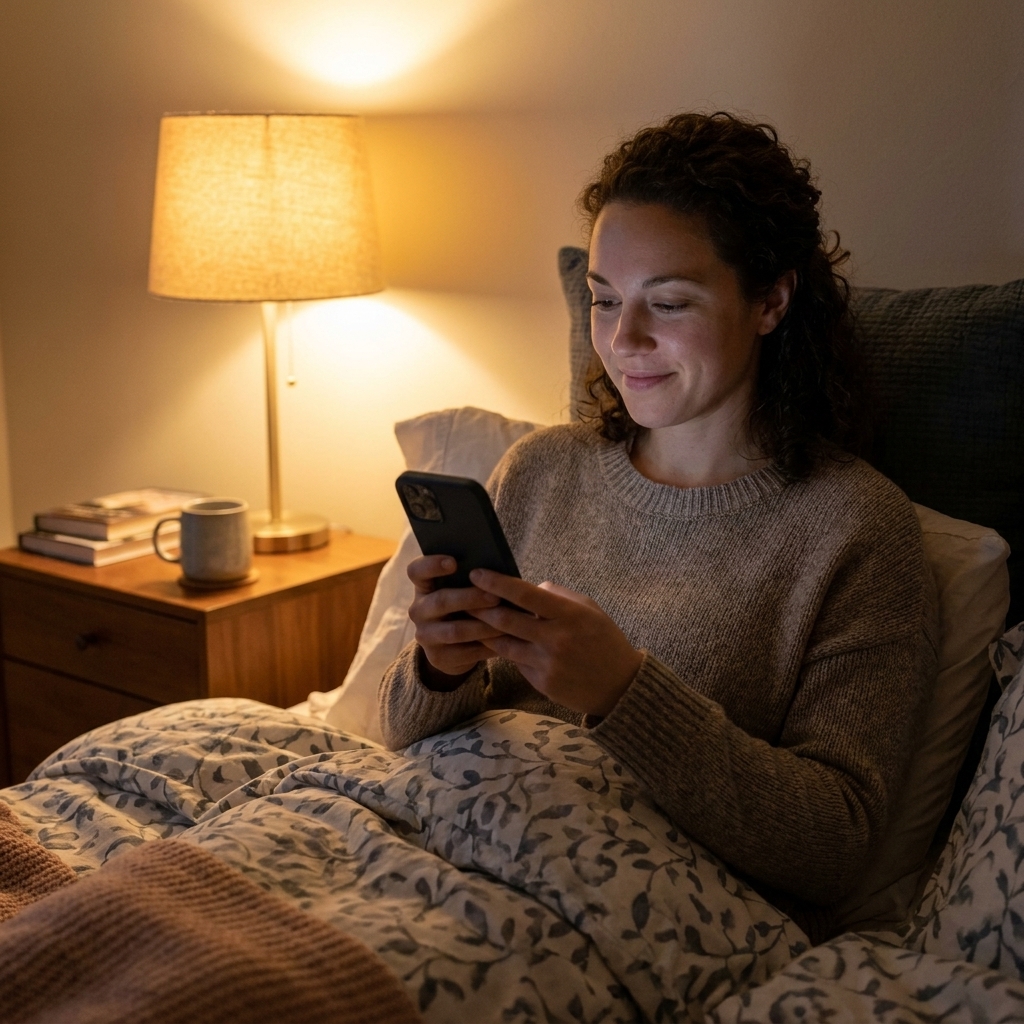
It is not just screen time in general. The sleep hit usually comes from a combination of brightness, light exposure, and mental activation. A bright phone close to your face is a powerful alerting signal to your brain, particularly if you are reading emotionally charged content, work messages, or fast-cut entertainment.
Evening light can delay melatonin release and push your circadian rhythm later. And while short-wavelength light gets a lot of attention, brightness and timing are often the bigger levers than blue light alone. On top of that, scrolling trains your brain to expect novelty and rewards right when you are trying to become boring enough to sleep.
Try this tonight
- Create a dim and boring hour: dim overhead lights, switch to warm lamps, and choose low-stimulation content.
- Use tech guardrails: night mode, reduced brightness, and more viewing distance help, but they are not magic.
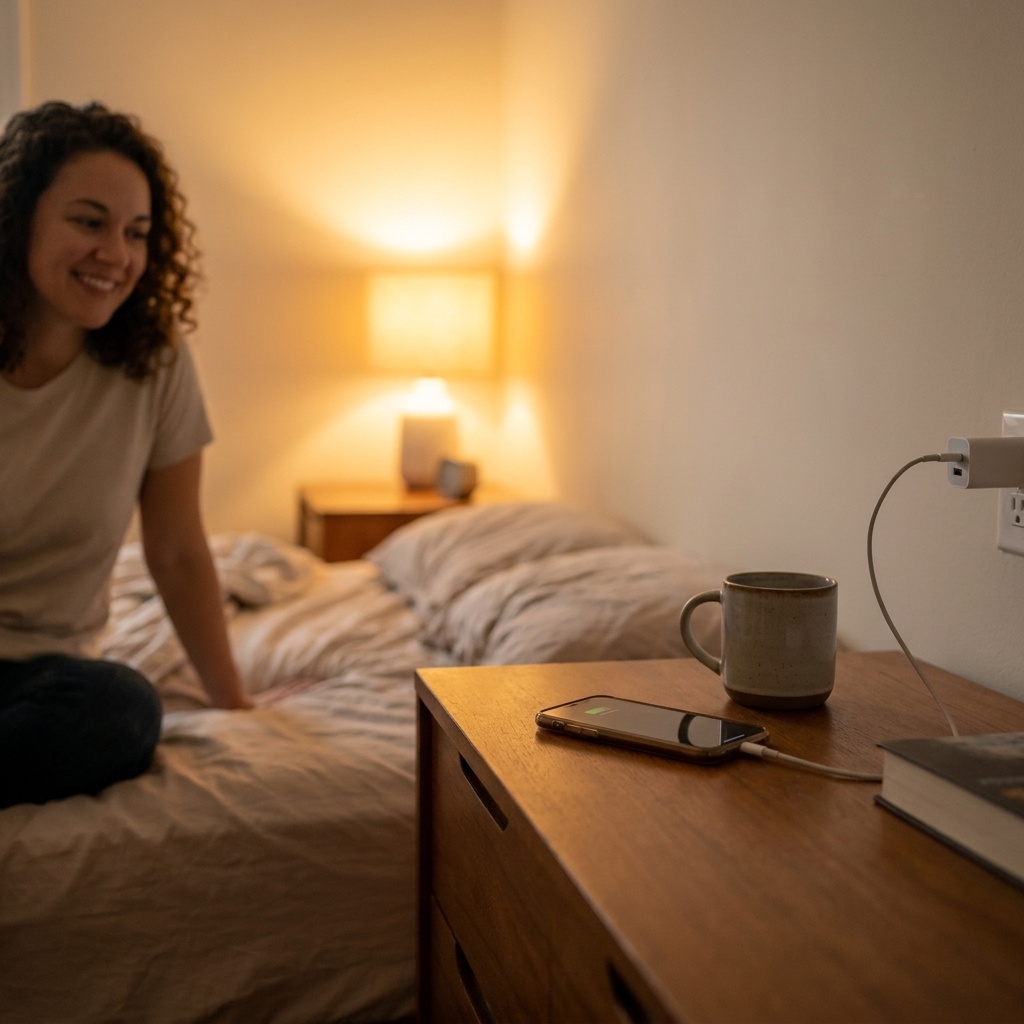
- Make the bed a phone-free zone: charge your phone outside the bedroom and use a basic alarm clock if needed.
5) Hard workouts too late
Exercise is one of the best sleep-supporting habits we have. But timing can matter. High-intensity workouts late at night can raise core body temperature and keep your nervous system in a more revved-up state, which may delay sleep onset for some people. Others can do a late workout and sleep fine. Your response is the deciding factor.
If you notice you feel tired but wired after late workouts, it is worth experimenting with earlier sessions or swapping intensity for something more downshifting at night.
Try this tonight
- Keep late movement gentle: walking, stretching, yoga, or light strength work.
- Finish intense workouts earlier when possible: aim for 2 to 4 hours before bed as a general starting point.
- Use a cool-down routine: 5 to 10 minutes of easy movement and slower breathing can help signal your system to shift gears.
6) Wind-down as catch-up time
This one is sneaky because it feels responsible. You finally have quiet time, so you pay bills, answer emails, tidy the kitchen, or plan tomorrow. But to your brain, these tasks can read as unfinished business. That keeps cognitive arousal high, making it harder to drift off and easier to wake up thinking about your list.
Sleep is not just the absence of wakefulness. It is a state your nervous system has to enter. A wind-down that feels like productivity often blocks that transition.
Try this tonight
- Do a 10-minute closure list earlier in the evening: write tomorrow's top three priorities and any loose ends. Then stop.
- Create a clear cutoff: pick a time when work, chores, and planning are done.
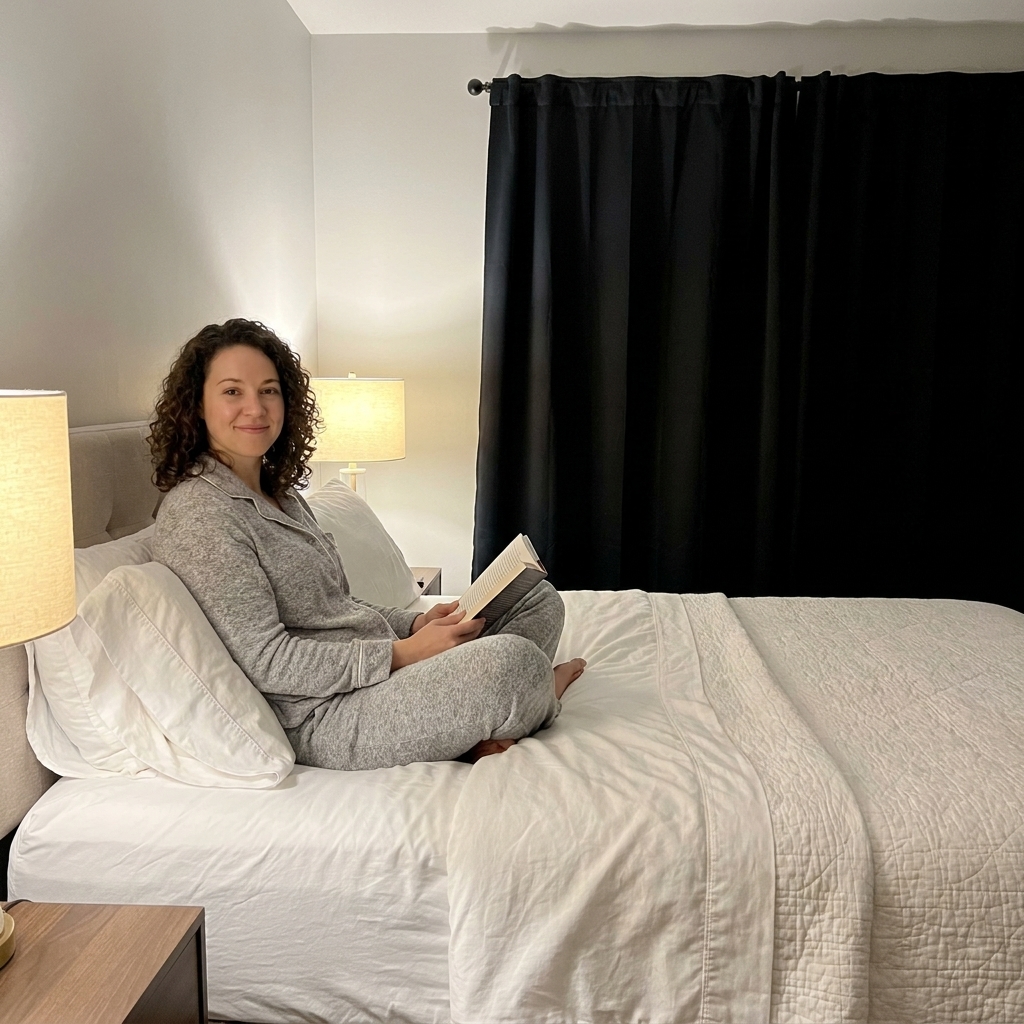
- Choose one calming anchor activity: reading something light, a warm shower, gentle stretching, or a simple skincare routine.

7) Bright light until bed
Even if you avoid your phone, bright indoor lighting can keep your brain in daytime mode. Overhead LEDs, brightly lit kitchens, and strong bathroom lighting are all signals that it is still go-time. In the Pacific Northwest, I take this seriously because our light exposure can already be uneven across seasons. If your evenings are bright and your mornings are dim, your circadian rhythm gets mixed messages.
Try this tonight
- Dim the house 60 to 90 minutes before bed: use table lamps, warm bulbs, and fewer overhead lights.
- Keep the bathroom low-light: a small nightlight can be a game-changer for middle-of-the-night trips.
- Get bright light in the morning: step outside within an hour of waking when you can. Strong mornings make dim evenings easier.
A simple evening routine
If you want a practical reset without overhauling your entire life, here's a gentle sequence that works well for many people. Adjust the timing to fit your schedule.
- 3 hours before bed: finish dinner, start lowering stimulation.
- 2 hours before bed: dim lights, wrap up chores and work.
- 1 hour before bed: phone out of the bedroom, calming activity, warm shower or stretch.
- Lights out: keep the room cool, dark, and quiet.
Rest Pact reminder: you do not need a perfect routine. You need a repeatable one. Pick one habit from this list and run the experiment for seven nights before you judge it.
When to get extra help
If you have insomnia symptoms three months or longer (especially if it happens at least three nights a week), loud snoring with gasping or choking, witnessed breathing pauses, persistent morning headaches, or daytime sleepiness that feels unsafe, it is worth talking with a clinician or a sleep specialist. Evidence-based treatment like CBT-I is first-line for chronic insomnia and can be life-changing, and sleep-disordered breathing deserves proper evaluation.