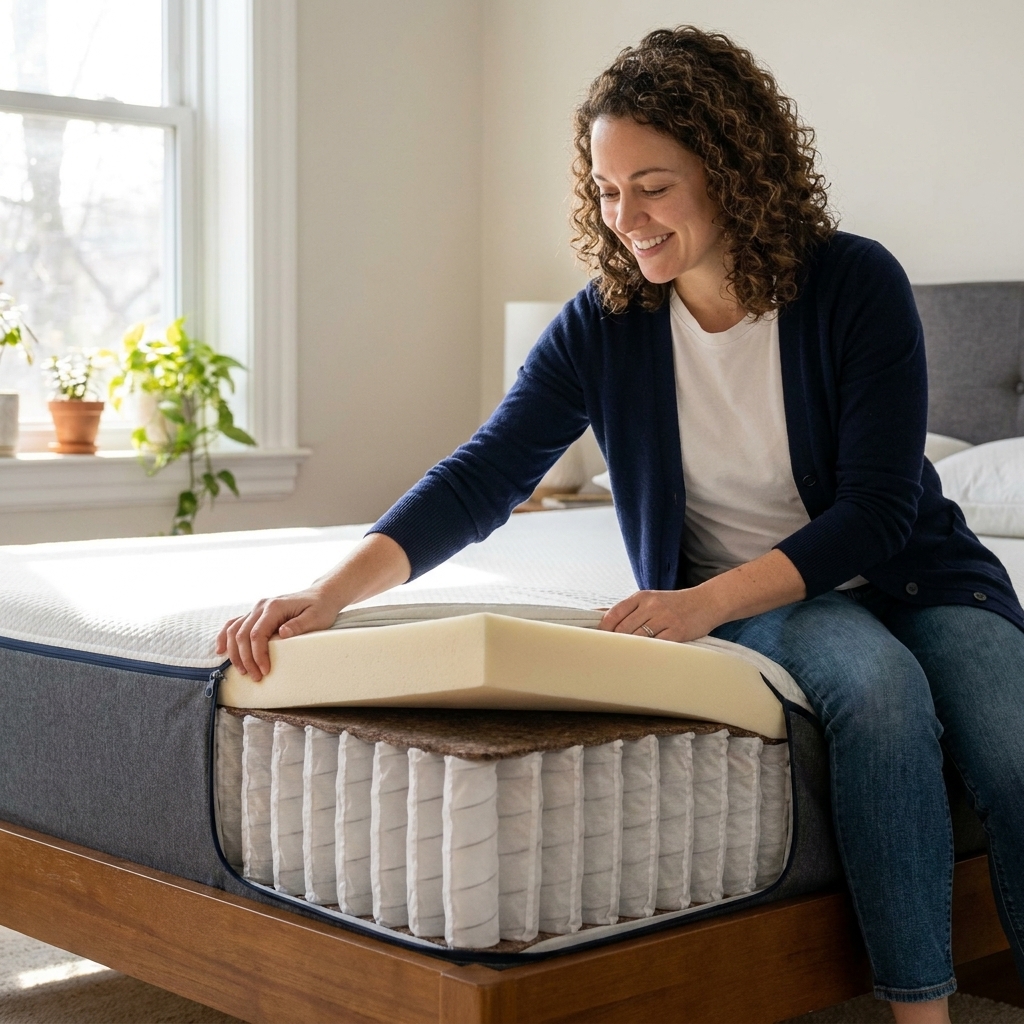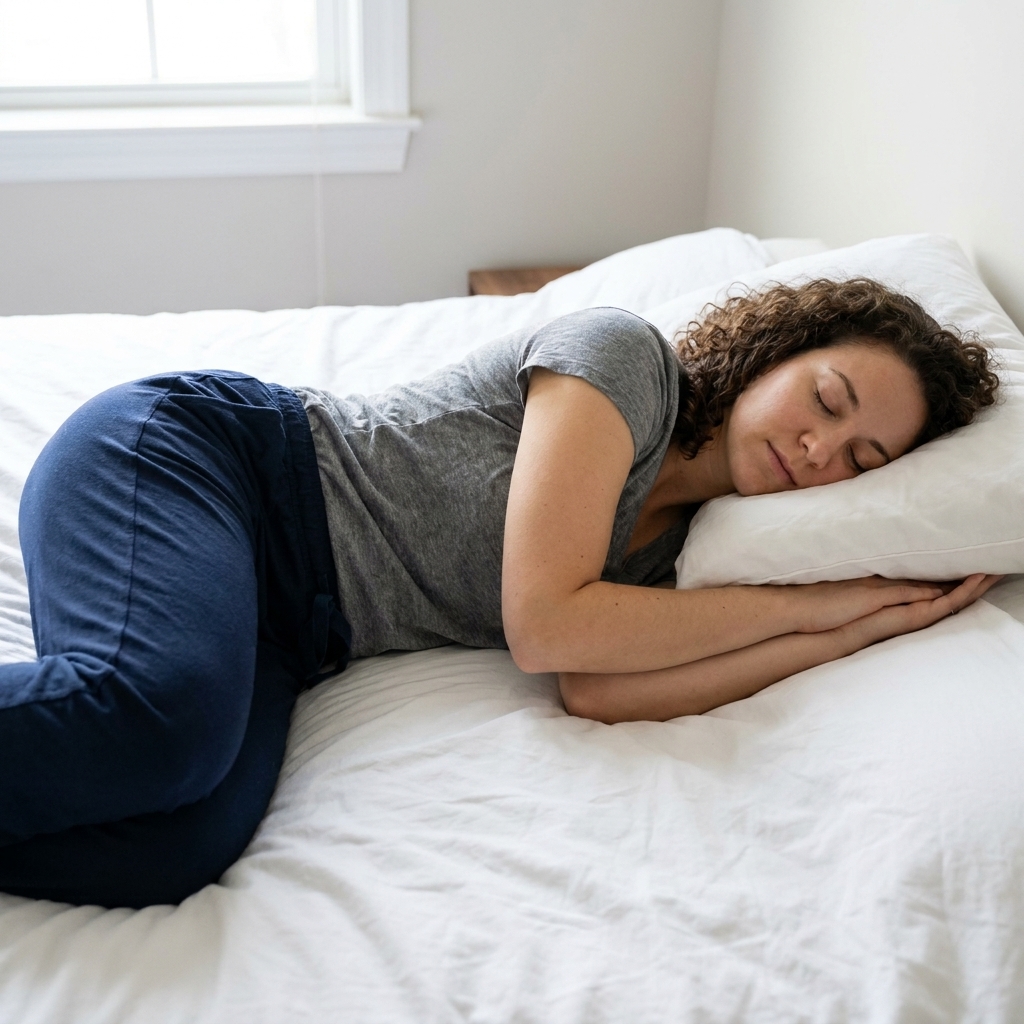
Firm, medium, plush: what actually supports your spine? Learn how to match mattress firmness to your weight and sleep position with a simple at-home testing ...
The Rest Pact
Updated October 18, 2026
Created October 18, 2026
Firm vs. Soft Mattresses for Lower Back Pain

Maya Caldwell
Maya Caldwell is a certified sleep science coach and the lead researcher at RestPact. After overcoming years of chronic insomnia, she dedicated herself to making evidence-based sleep strategies accessible, helping others build bedtime routines that lead to deep, restorative rest.
If you have lower back pain, mattress shopping can feel like a high-stakes personality test: Are you a firm-mattress person or a soft-mattress person? I used to think “firmer is always better” too. Then I spent years reading the research, testing mattresses, and coaching exhausted people who were doing everything right but still waking up stiff.
Here is the truth that tends to get lost in the marketing: the best mattress for lower back pain is usually the one that keeps your spine in a neutral position and distributes pressure comfortably for your body shape and sleep position. For many people, that is not the firmest bed in the store. It is often a medium to medium-firm feel with the right support system underneath.
Why firmness can affect back pain
Your spine has natural curves. During sleep, the goal is not to make your back perfectly flat. The goal is neutral alignment, meaning your spine is supported in a position similar to good standing posture, without sagging or forced arching.
Mattress feel influences two things that matter for back pain:
- Spinal alignment (support): Whether your hips and torso sink too much or not enough.
- Pressure relief (comfort): Whether bony areas like shoulders, ribs, and hips take too much load, prompting you to tense up or toss and turn.
Lower back pain often flares when the pelvis tilts out of neutral. A mattress that is too soft may let the hips sink, pulling the low back out of a comfortable position. A mattress that is too firm may not allow the hips and shoulders to settle evenly, which can increase tension and restlessness.
Firm mattresses: when they help
Potential benefits
A firmer mattress can help if your main issue is excessive sink, especially at the hips. People who often do well on the firmer side include:
- Back sleepers who feel their lower back is “hollow” on softer beds
- Stomach sleepers (though I still prefer helping stomach sleepers transition, because it can be rough on the lumbar spine)
- Heavier-bodied sleepers who compress softer foams quickly
Firmness can also improve the “ease of movement” factor. If you feel stuck in foam, you may change positions less or brace as you move, which is not ideal when you already have pain.
Common downsides
The biggest issue I see with very firm mattresses is that they often trade away pressure relief. If your shoulders and hips cannot sink in enough, your spine can bow sideways (especially in side sleeping), and you may wake up with a sore low back plus a cranky shoulder.
Very firm surfaces can also increase pressure around the sacrum and upper glutes in back sleeping, which may contribute to morning stiffness for some people.
Soft mattresses: when they help
Potential benefits
A softer comfort layer can be wonderful for pressure relief. If you are a side sleeper with prominent shoulders and hips, a bit more plushness can allow those areas to sink in so your spine stays straighter from neck to tailbone.
Softness can also reduce irritation at pressure points, which may decrease tossing and turning. And better sleep continuity can influence pain sensitivity and how “recovered” you feel the next day.
Common downsides
Soft is risky when it crosses into poor support. If your pelvis sinks more than your ribcage, the lumbar spine can be pulled out of neutral. People often describe this as:
- “I wake up feeling folded.”
- “My back hurts more the longer I’m in bed.”
- “It feels good at first, then my back complains at 3 a.m.”
This tends to show up more in:
- Back sleepers with softer foam that lets the hips drop
- Stomach sleepers where the pelvis sinks and the low back arches
- Heavier sleepers on low-density foams or worn-out beds
What research says
Clinical research does not support the idea that “the firmest mattress is best for everyone.” In one widely cited randomized trial, adults with chronic non-specific low back pain reported better outcomes on a medium-firm mattress than on a firm mattress (Kovacs et al., 2003).
Other research also suggests that switching to a new, supportive mattress can reduce pain and improve sleep quality and daytime function for some people with back pain. For example, a randomized controlled trial found improvements in pain and sleep quality after participants changed to a new medium-firm mattress (Jacobson et al., 2011).
One important complication: firmness is not standardized. A “medium” in one brand can feel like a “firm” in another. That is why your body’s feedback over multiple nights matters more than the showroom label.
Alignment is the real decider
If you take only one idea from this article, make it this: your mattress should let your heavier zones sink just enough while keeping your waist and lumbar area supported.
Here is how alignment tends to break down by sleep position:
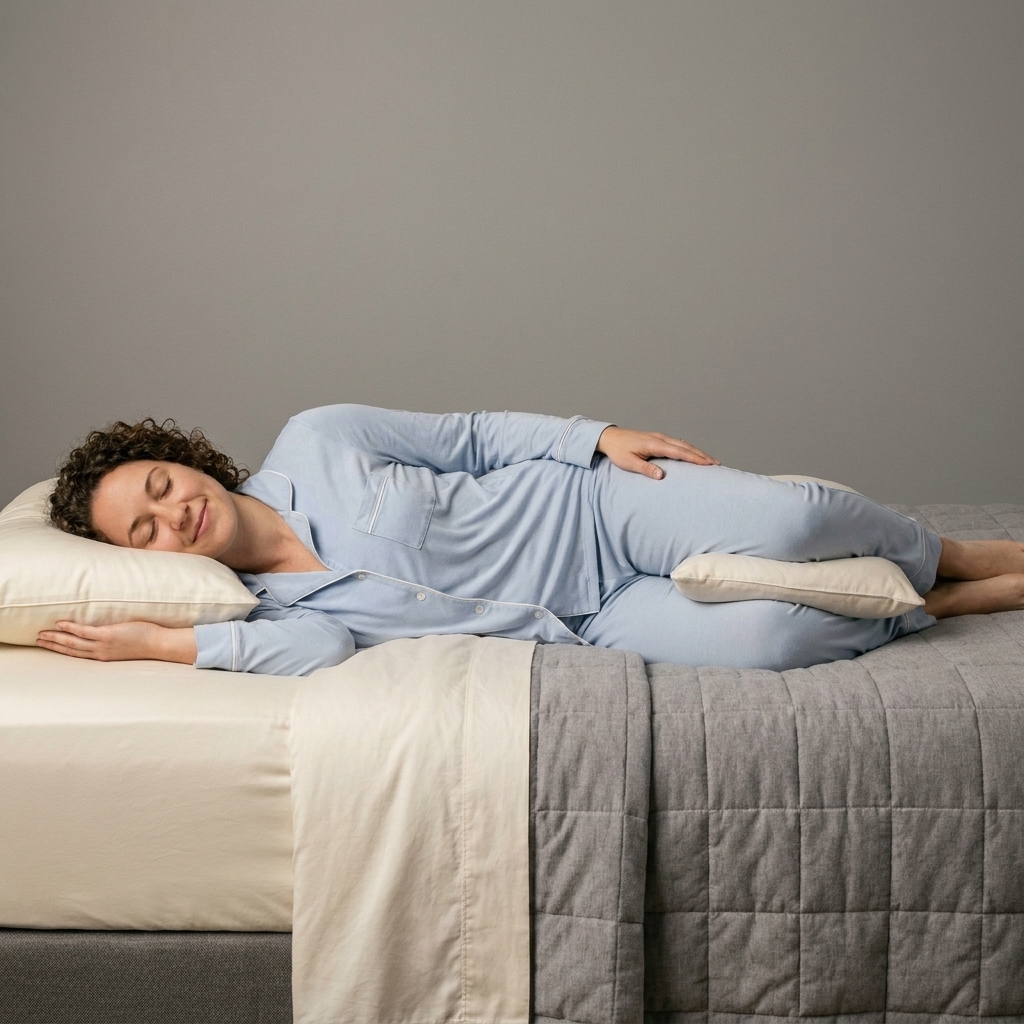
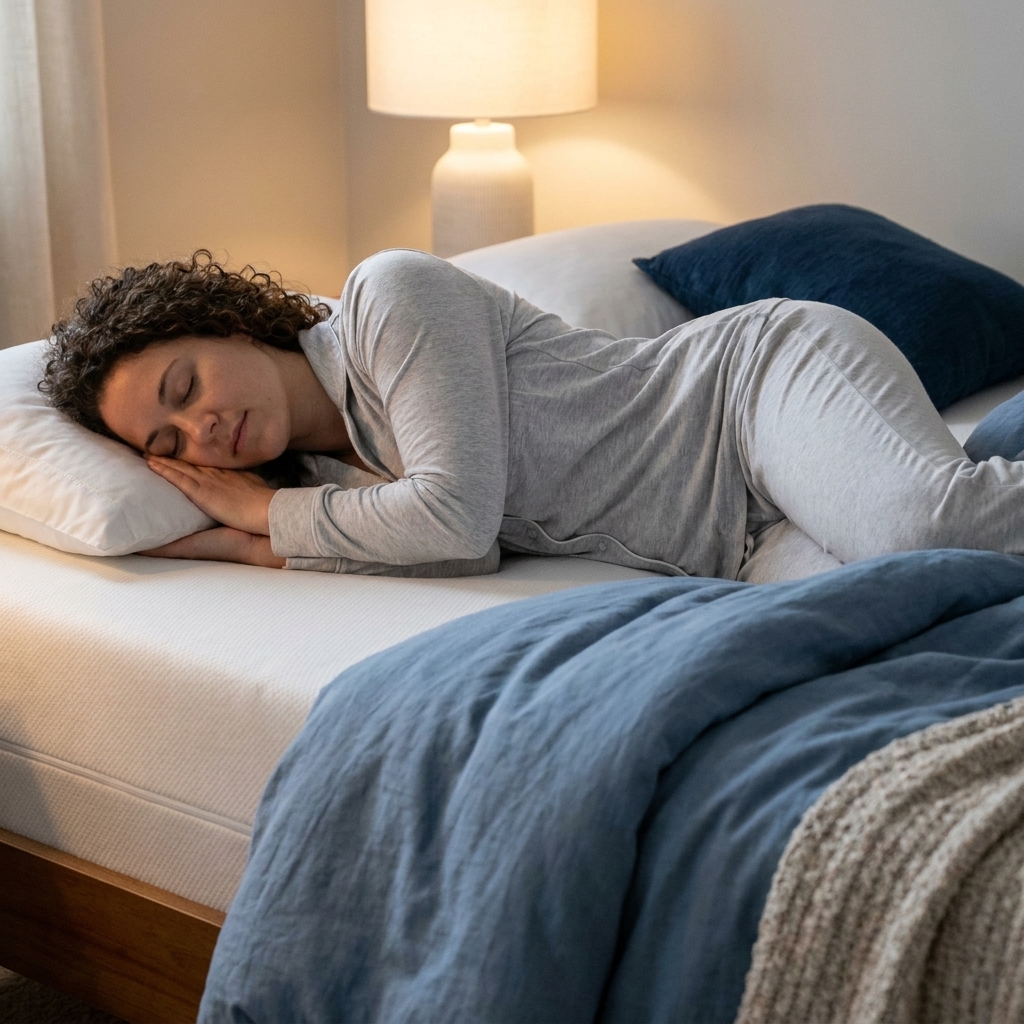
Side sleepers
- Too firm: Shoulder and hip cannot sink, spine bends sideways, low back tightens to stabilize.
- Too soft: Hips sink too far, waist collapses, spine curves downward.
- Usually best: Medium to medium-firm with a pressure-relieving top layer plus solid support underneath.
Back sleepers
- Too firm: Pelvis may not settle, leaving a gap under the lumbar area, back muscles stay slightly “on.”
- Too soft: Hips drop, lumbar spine pulls out of neutral.
- Usually best: Medium-firm with gentle contouring under the lumbar area.
Stomach sleepers
- Too soft: Pelvis sinks, low back arches, morning stiffness is common.
- Too firm: Can feel jarring on ribs and pelvis, but alignment may be better than on soft.
- Usually best: Firm to medium-firm, thin pillow, and ideally a gradual shift away from full stomach sleeping if pain persists.

Body type changes firmness
Firmness is not just a mattress property. It is a mattress plus body interaction.
- Lighter bodies often perceive mattresses as firmer because they do not sink as deeply into comfort layers.
- Heavier bodies compress foams more and can “bottom out” on beds that feel supportive in the showroom but lose support overnight.
- Curvier body shapes may need more contouring to fill in the waist and lumbar areas while still allowing the hips and shoulders to sink appropriately.
This is why two people can lie on the same bed and report opposite experiences. Neither is wrong. Their spines are simply negotiating different geometry.
Materials matter too
Two mattresses can share the same firmness rating and feel completely different for back pain because the support system behaves differently over time.
Memory foam
Great pressure relief, but some people with back pain dislike the slow response. If the foam is too soft or warms up a lot, hips may sink more as the night goes on. Look for a supportive core and cooling features if you tend to soften foam quickly.
Latex
Often a sweet spot for back pain: supportive, springy, and pressure-relieving. Latex tends to hold its shape well and allows easier movement, which can matter if you get stiff during the night.
Innerspring and hybrid
Coils can provide excellent deep support. The comfort layer on top determines whether it is gentle enough on pressure points. Many back pain sleepers do well on hybrids because you get contouring up top and sturdier support below.
Zoned support
Some mattresses use firmer support under the hips and softer support under the shoulders. When it works, zoning can help maintain neutral alignment. When it misses your body’s proportions, it can feel like a ridge or push your spine off-center. This is one area where a generous trial period really earns its keep.
Mattress age and wear
A mattress that used to work can stop working when it loses support. The “right” timeline varies by materials and body weight, but these are practical signs that wear may be driving your back pain:
- Visible sagging or a hammock-like dip where your hips land
- Lasting impressions that do not rebound after you get up
- Morning pain that noticeably improves when you sleep elsewhere
- It feels softer over time, especially under the hips
If your mattress is structurally sagging, a topper rarely fixes the problem. It usually adds more sink on top of an already unsupportive base.
Foundation and frame support
Even a great mattress can feel wrong on the wrong base. If you are on a slatted frame, wide gaps can allow the mattress to bow between slats and mimic a too-soft feel. Check your mattress manufacturer’s foundation requirements, especially for foam and hybrids, and make sure:
- The center support is solid (especially for queen sizes and up)
- The frame is not warped or loose
- Slat spacing matches the brand’s specs
Too firm or too soft
Signs it is too firm
- You wake up with sore shoulders or hips along with back discomfort
- You feel like you are “on top of” the bed with no contouring
- Side sleeping feels tense and you keep rotating to your back
Signs it is too soft
- Lower back pain gets worse the longer you stay in bed
- You feel like your hips sink below your ribcage
- You wake up stiff and it improves after you move around for 20 to 30 minutes
A quick at-home check
If you have a partner, ask them to look at your spine from behind while you lie in your usual position. In side sleeping, you want the spine to look fairly straight, not bowed. In back sleeping, you want the pelvis supported without an exaggerated arch.
Try this before replacing
Not everyone can or should replace a mattress immediately. If your bed is not obviously worn out, try these lower-lift experiments first.
1) Adjust the surface feel
- If it is too firm: Add a high-quality topper, often 2 inches of latex or memory foam. The goal is pressure relief without losing deep support.
- If it is too soft: Remove thick toppers, rotate the mattress if allowed, and make sure the foundation is solid. A saggy base can mimic a too-soft mattress.
2) Tune your pillow height
A pillow that is too high or too flat can change neck and upper-back alignment, which may influence whole-spine tension in a way you feel in the low back. If you wake up twisted, craned, or uneven, it is worth adjusting pillow height and firmness alongside the mattress.
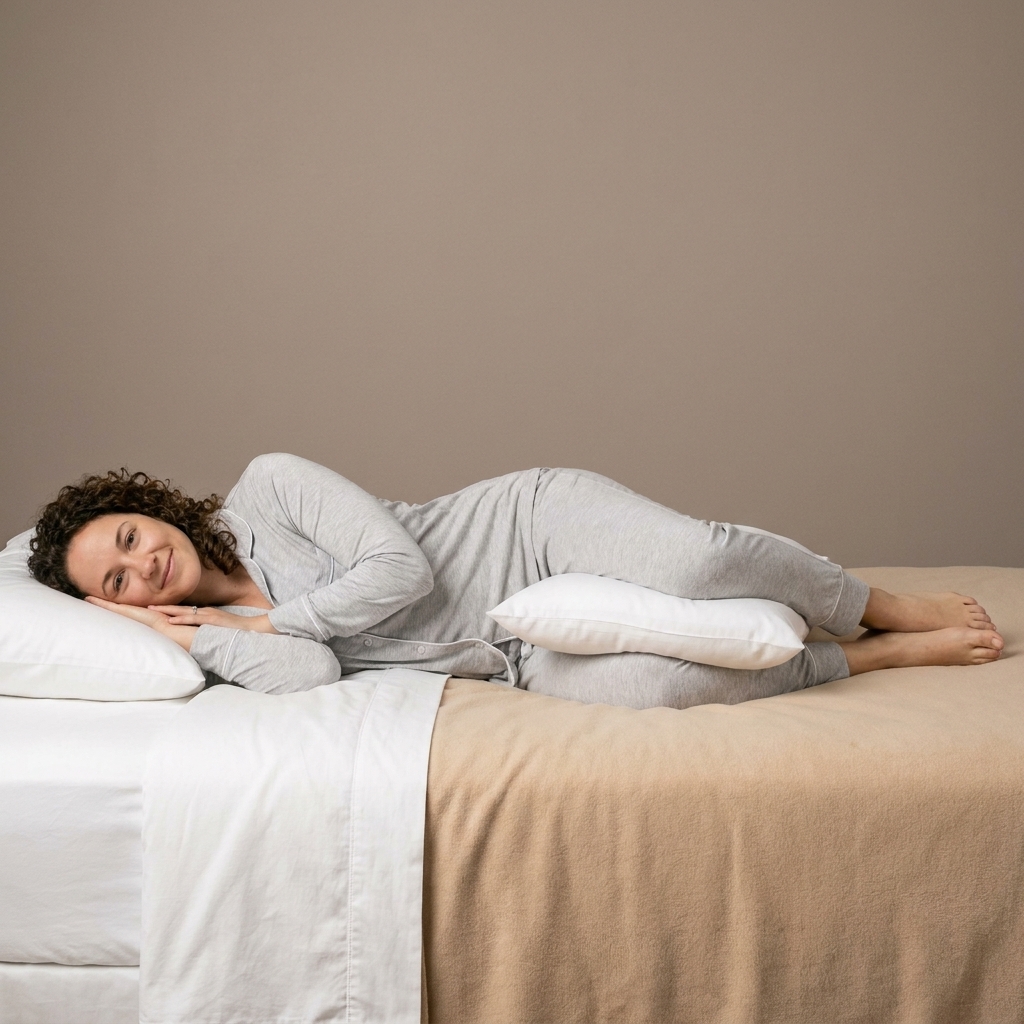
3) Add targeted support
- Side sleepers: A pillow between the knees can reduce pelvic rotation.
- Back sleepers: A pillow under the knees can reduce lumbar strain.
Choosing firmness
If you want a practical starting point, here is what I typically recommend before we personalize further:
- Most people with non-specific low back pain: Start with medium-firm and prioritize good support plus pressure relief.
- Primarily side sleepers: Lean slightly softer than medium-firm, but with strong underlying support.
- Primarily back sleepers: Lean medium-firm to firm, with noticeable lumbar support.
- Primarily stomach sleepers: Lean firm to avoid hip sink, and consider reducing stomach time if pain persists.
- Higher body weight: Consider firmer support cores, thicker comfort layers that do not bottom out, and durable materials.
Also, treat mattress firmness claims as approximate. Your best protection is a real trial period and a return policy you can live with.
How to test in a store
Showroom testing is imperfect, but you can make it more useful:
- Lie down for at least 10 to 15 minutes in your real sleep position, not perched on the edge.
- Notice your low back after a few minutes, not just the first “ahh” moment.
- Check pressure points: do your shoulders or hips feel jammed?
- Move positions: can you roll without bracing?
- Ask about the base: a good mattress on a weak foundation can fail quickly.
If a bed feels good but you are unsure, err toward slightly more support. It is usually easier to add softness with a topper than to add support to a too-soft mattress.
When pain needs medical care
Most lower back pain is non-specific and improves with the right support, movement, and time. But some symptoms should be evaluated promptly by a clinician, especially if they are new or worsening:
- Numbness, tingling, or weakness in a leg
- Loss of bladder or bowel control
- Fever, unexplained weight loss, or pain that feels systemic
- Severe night pain that does not change with position
Also note that nerve-related pain (often described as shooting pain, burning, or symptoms that travel down the leg) can behave differently than non-specific low back pain. A mattress can still matter, but it is worth getting assessed so you are not trying to sleep-solve something that needs a targeted plan.
Sleep matters for recovery, but you should not have to “mattress-hack” your way around red-flag symptoms.
FAQ
Is a firm mattress always best for lower back pain?
No. Very firm mattresses can reduce hip sink, but they can also increase pressure points and disrupt alignment, especially for side sleepers. Many people do best on medium-firm with balanced contouring and support.
Can a mattress topper help lower back pain?
Yes, when the underlying mattress is supportive enough. If your bed is too firm, a topper can add pressure relief. If your bed is sagging or too soft, a topper often makes things worse by adding more sink.
How do I know if my mattress is causing my back pain?
Clues include pain that is worse in the morning and improves after you get moving, a visible sag where your hips rest, or discomfort that improves when you sleep elsewhere for a few nights. None of these are perfect tests, but together they are suggestive.
How long should I try a new mattress before deciding?
If pain is not severe, give it a few weeks so your body can adapt and the materials can settle. If you feel sharp pain, numbness, or a clear worsening pattern, do not push through. Use the return window and talk with a clinician if symptoms are concerning.
The Rest Pact takeaway
For lower back pain, the “best” mattress is not a moral choice between firm and soft. It is a mechanical one: keep your spine neutral, let your pressure points relax, and support your pelvis consistently all night.
If you want a default starting place, aim for medium-firm, then adjust based on your sleep position and body shape. Your back is not asking for punishment. It is asking for steady, kind support.