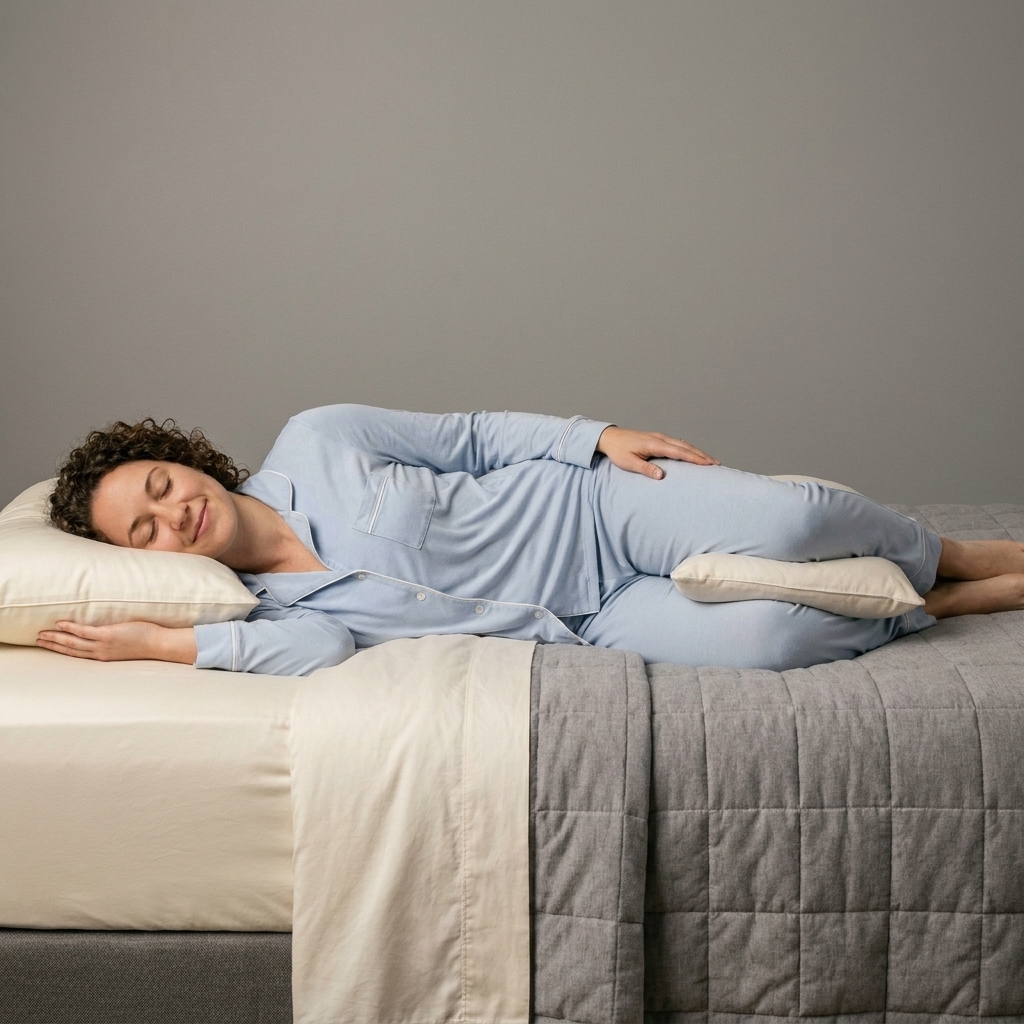
A research-grounded look at mattress firmness, spinal alignment, and pressure relief, with practical tips to choose the right feel for lower back pain and be...
The Rest Pact
Updated October 18, 2026
Created October 18, 2026
Memory Foam vs. Hybrid Mattresses for Back Pain

Maya Caldwell
Maya Caldwell is a certified sleep science coach and the lead researcher at RestPact. After overcoming years of chronic insomnia, she dedicated herself to making evidence-based sleep strategies accessible, helping others build bedtime routines that lead to deep, restorative rest.
Back pain can make bedtime feel like a negotiation with your own body. I have been there, staring at the ceiling at 2 a.m., trying to stack pillows into something that resembles comfort. The good news is that mattress choice can matter, especially when it improves two things that show up again and again in sleep research: spinal alignment and pressure relief.
Memory foam and hybrid mattresses can both help, but they help in different ways. Below, I will walk you through what the evidence suggests, who tends to do best on each type, and how to choose based on your sleep position, body size, and the kind of back pain you are dealing with.
What helps back pain at night
Most mattress marketing talks about firmness like it is the whole story. In real life, back pain relief usually comes down to a combination of:
- Neutral spinal alignment: your spine stays closer to its natural curve rather than sagging or being pushed out of line.
- Pressure redistribution: your hips, shoulders, and ribcage are cushioned enough that you are not concentrating force into a few sensitive points.
- Stable support: the mattress resists hammocking under heavier areas, especially the pelvis.
- Comfort that reduces tossing: fragmented sleep can amplify pain sensitivity the next day.
Clinical studies comparing mattress types often find that medium-firm to medium surfaces can improve pain and function for many people with nonspecific low back pain, but best depends on how your body interacts with the materials.
Memory foam pros and cons
Why memory foam can help
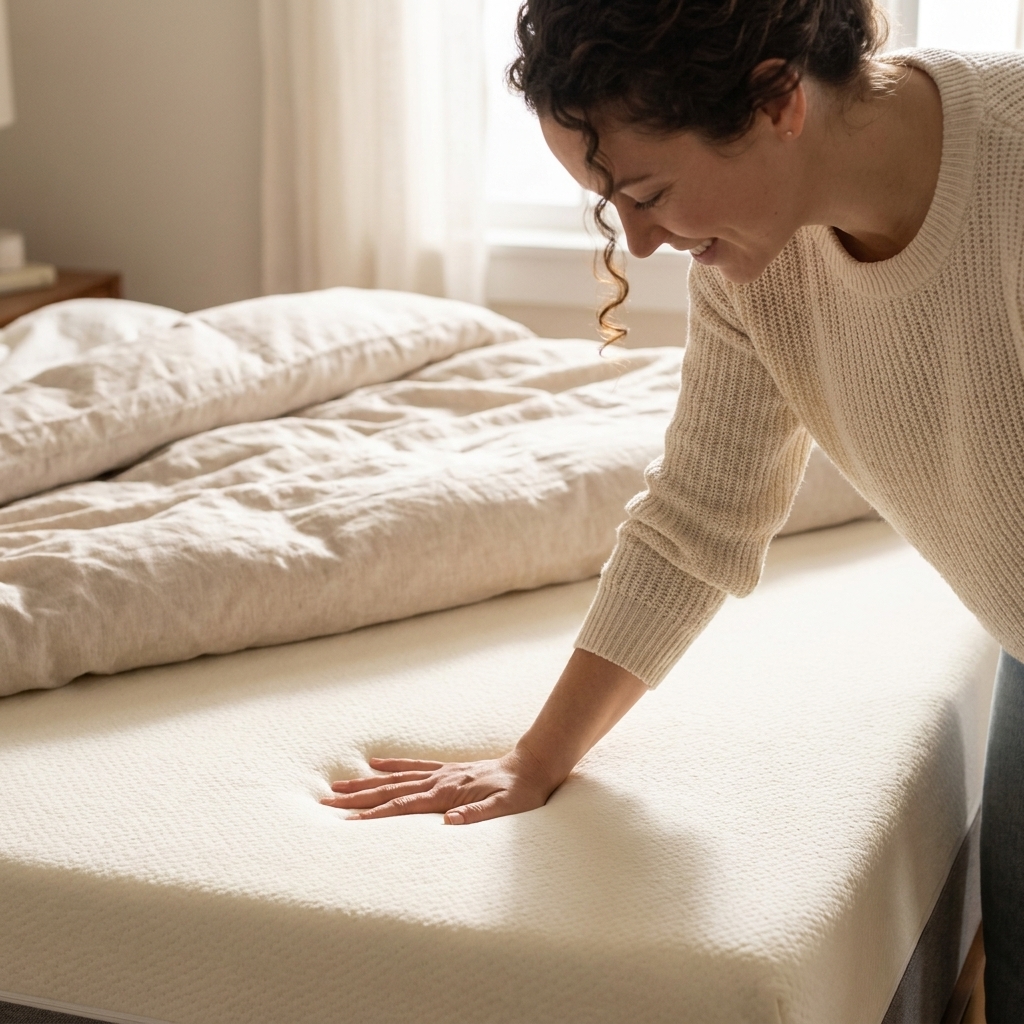
Memory foam is designed to conform. It distributes body weight, which can reduce pressure points and soothe people who feel achy in the hips or shoulders. In studies that look at pressure mapping and perceived comfort, foam often performs well for pressure relief, which can reduce nighttime wake-ups related to discomfort.
Where it shines for back pain
- Excellent pressure relief: helpful if your back pain is aggravated by pressure hot spots or if you also have shoulder or hip pain.
- Motion isolation: if you wake when a partner moves, fewer disruptions can indirectly help pain by improving sleep continuity.
- Good contouring for side sleepers: when the foam is supportive enough underneath, side sleepers often get a smoother waist and lumbar fill that keeps the spine more neutral.
Common pitfalls
- Too-soft foam can let the pelvis sink: this can increase lumbar extension or flexion depending on position, often felt as low back tightness in the morning.
- Heat retention: warmer sleep can increase restlessness for some people, which means more position changes and sometimes more pain flare-ups.
- Stuck feeling: deeper contouring can make it harder to change positions, which some back pain patients dislike.
If you are considering memory foam for back pain, look for a build with serious support layers under the comfort foam and avoid ultra-plush models unless you are very lightweight and primarily a side sleeper.
Hybrid pros and cons
Why hybrids can help
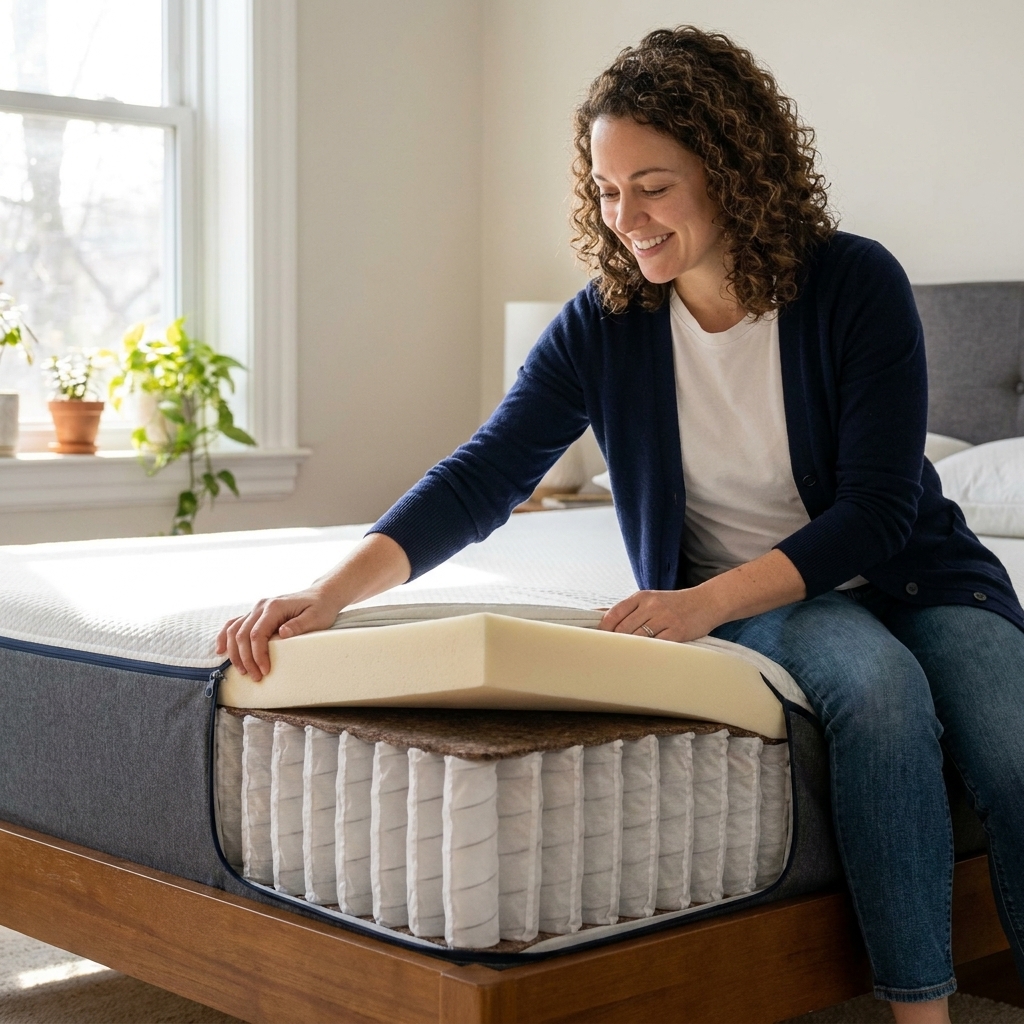
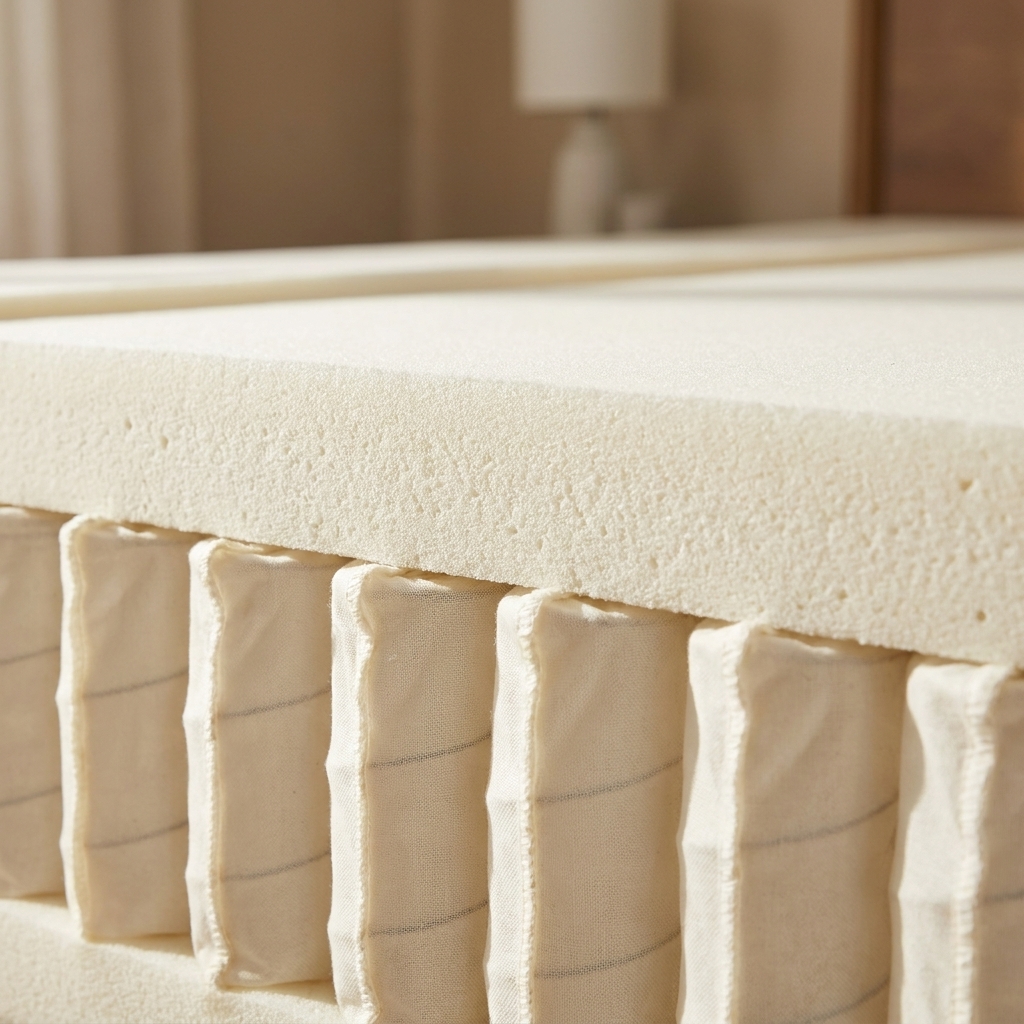
Hybrids pair a foam comfort system with an innerspring support core, usually pocketed coils. That coil system can improve pushback support and help keep the pelvis from sinking too far, which is often key for low back pain.
Where it shines for back pain
- Stronger deep support: many people, especially back and stomach sleepers, feel more held up through the hips.
- Easier movement: combination sleepers often change positions with less effort, which can reduce the sense of stiffness.
- Better airflow: coils tend to sleep cooler than thick foam cores, which can help if heat disrupts your sleep.
Common pitfalls
- Not all hybrids are pressure-relieving enough: if the comfort layers are thin or firm, side sleepers may feel shoulder and hip pressure.
- Motion transfer varies: pocketed coils plus foam can be excellent, but bouncier designs may wake light sleepers.
- Edge support can feel firm: if you sleep near the edge, that can create a tilt sensation for some bodies.
A well-designed hybrid often hits a sweet spot for back pain: contouring on top, structure underneath.
Alignment: who wins
If we are talking purely about alignment, hybrids often have an edge for people whose hips sink easily into foam. This includes:
- Back sleepers with heavier hips or a pronounced curve in the low back
- Stomach sleepers, who usually need the most anti-sag support
- People over roughly 200 lb who feel stuck or bowed in all-foam beds
Memory foam can absolutely keep the spine aligned, but it is more sensitive to getting the firmness and support factor right. When memory foam is too plush for your body type, alignment is usually where it fails first.
Pressure relief: who wins
If your pain is strongly linked to pressure sensitivity, foam often feels better quickly. Memory foam is particularly helpful for:
- Side sleepers with shoulder or hip tenderness
- People with bony pressure points
- Anyone who wakes up and feels like they need to shake out a numb arm or sore hip
Hybrids can provide great pressure relief too, but typically only if they have enough comfort material on top. A hybrid that is basically coils with a thin foam layer can feel supportive but create pressure points that wake you up.
Choose by sleep position
Side sleepers
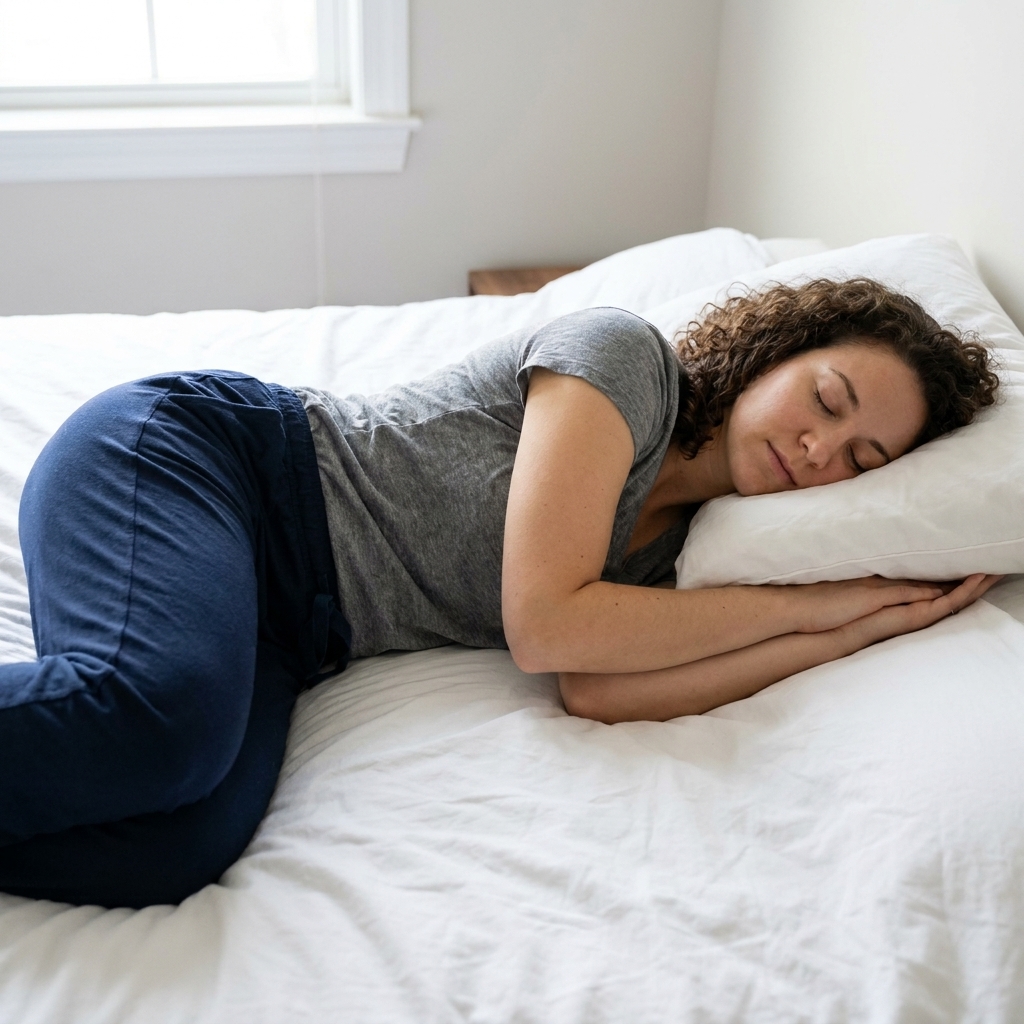
Most side sleepers do best with pressure relief plus gentle lumbar support. A memory foam mattress can work beautifully if it is not too soft in the midsection. A hybrid can also be excellent if it has a thicker comfort layer.
- Often best: medium to medium-firm foam, or a plush to medium hybrid with substantial comfort layers
- Watch out for: very firm hybrids that create shoulder pressure
Back sleepers
Back sleeping usually rewards a mattress that prevents the hips from sinking while still cushioning the sacrum and shoulder blades.
- Often best: medium-firm hybrid, or a supportive medium-firm foam with a strong base layer
- Watch out for: very plush foam that increases low back arching or morning tightness
Stomach sleepers
Stomach sleeping is tough on the low back if the pelvis sinks. Most stomach sleepers with back pain do better on a firmer, more buoyant surface.
- Often best: firm to medium-firm hybrid
- Watch out for: thick, soft memory foam comfort layers
Choose by body type
This is where people get frustrated because two sleepers can lie on the same mattress and report totally different back pain outcomes.
Lightweight sleepers (often under 130 lb)
- More likely to feel a hybrid as too firm on pressure points.
- Often do well on memory foam or a plusher hybrid.
Average weight sleepers (roughly 130 to 200 lb)
- Usually have the widest range of good options.
- Choose based on sleep position and whether you crave hug-like contouring (foam) or buoyant support (hybrid).
Higher weight sleepers (often over 200 lb)
- More likely to experience sagging and alignment issues on softer all-foam beds.
- Often do best with a hybrid or a very supportive foam design made for higher weights.
One practical check: when you lie on the mattress, pay attention to your pelvis depth. If your hips feel like they drop below your ribcage, alignment is likely off even if it feels cozy for the first five minutes.
What research suggests
Mattress studies are messy because back pain is not one diagnosis, and people adapt over time. But several research patterns show up consistently in the literature:
- Medium-firm often performs well for nonspecific low back pain, improving pain and function compared with very firm surfaces for many sleepers.
- Personalization matters: individuals respond differently based on body size, sleep position, and sensitivity to pressure.
- Support plus comfort beats firmness alone: mattresses that maintain alignment while reducing pressure are more likely to improve sleep quality, which can lower pain sensitivity.
In other words, a mattress can be firm and still be wrong for you if it causes pressure points, and it can be soft and still be wrong if it lets your hips sink out of alignment.
A simple decision guide
Memory foam may fit if:
- You are primarily a side sleeper
- Your pain comes with pressure sensitivity in hips and shoulders
- You want minimal motion transfer
- You sleep on the cooler side already, or you are willing to prioritize cooling materials and breathable bedding
Hybrid may fit if:
- You sleep on your back or stomach, or you are a frequent position changer
- You wake up with low back tightness that feels worse on softer beds
- You are heat sensitive
- You need stronger edge support or you sit on the bed often
My rule of thumb as a sleep coach: If your main problem is pressure, start with foam. If your main problem is alignment, start with a hybrid. If you are not sure, a well-built hybrid with a generous comfort layer is often the safest middle ground.
Test in 10 minutes
If you can try a mattress in person, do not just sit on the edge and call it a day. Use this quick check:
1) Side alignment check
Lie on your side in your usual position. Have a friend look at your spine from behind. You want a relatively straight line from the base of the neck to the tailbone. If your waist collapses downward, you may need more support. If your shoulder is jammed upward, you may need more pressure relief.
2) Back gap check
Lie on your back. Slide a flat hand under your low back. A small natural gap is normal. If the gap is huge, the mattress may be too firm. If your hips sink and your low back feels flattened or strained, it may be too soft or under-supportive.
3) Movement check
Roll from side to back and back again a few times. If you feel stuck or you brace with your arms to turn, you may toss and wake more at home, which tends to worsen pain over time.
Common mistakes
- Buying based on firmness labels alone: medium-firm is not standardized.
- Ignoring your pillow: a pillow that is too high or too flat can change spinal position enough to trigger upper back and neck tension that radiates downward.
- Assuming more softness equals more relief: for low back pain, too much sink is often the problem.
- Not giving your body an adjustment window: if you are switching from a very old mattress, your muscles may need a couple of weeks to settle.
If your pain is severe, progressive, involves numbness, weakness, or bowel or bladder changes, please treat that as a medical issue and seek care promptly.
FAQ
Is memory foam bad for back pain?
No. Memory foam can be excellent for back pain when it maintains spinal alignment and relieves pressure. It tends to fail when it is too soft for your body type, especially for back and stomach sleepers.
Are hybrids better for lower back pain?
Often, yes, especially when lower back pain is linked to sagging support under the pelvis. The coil system in a hybrid can provide stronger deep support. The hybrid still needs enough comfort on top to avoid pressure points.
What firmness is best for back pain?
Many studies suggest medium-firm works well for nonspecific low back pain, but the best firmness depends on your weight and sleep position. Side sleepers often need slightly more cushioning than back and stomach sleepers.
Can a mattress fix back pain?
A mattress can reduce nighttime aggravators like poor alignment and pressure. It cannot treat every cause of back pain. If your pain is driven by an injury, inflammatory condition, or nerve compression, you may need medical evaluation plus ergonomic and movement support.
The Rest Pact bottom line
If you want that classic, close contouring feel and you are chasing pressure relief, memory foam is often the most immediately comforting choice. If you need more lift through the hips, sleep hot, or wake with low back stiffness that seems tied to sagging, a hybrid is frequently the better bet.
Whichever route you choose, focus less on the label and more on the outcome: a spine that stays neutral and a body that can fully relax. That is the combination that tends to turn restless nights into restorative ones.