
A chronobiology-based checklist to support your body clock: light exposure, consistent timing, movement, meals, caffeine, and a bedtime routine that actually...
The Rest Pact
Updated October 18, 2026
Created October 18, 2026
Fix Your Sleep Schedule: 7 Days

Maya Caldwell
Maya Caldwell is a certified sleep science coach and the lead researcher at RestPact. After overcoming years of chronic insomnia, she dedicated herself to making evidence-based sleep strategies accessible, helping others build bedtime routines that lead to deep, restorative rest.
If your sleep schedule feels “stuck,” it is usually not a willpower problem. It is biology. Your circadian rhythm is a roughly 24-hour timing system, coordinated by a small clock in the brain (the suprachiasmatic nucleus, or SCN) and strongly influenced by light. It helps decide when you feel alert, when you feel sleepy, when your body temperature dips, and when melatonin rises. When that timing gets nudged late (hello, late-night scrolling, shift changes, travel, stress, irregular weekends), your bedtime can drift even if you are exhausted.
The good news: circadian rhythms are trainable. Many healthy adults can make meaningful progress in a week, especially with modest shifts (often 1 to 2 hours). Bigger changes can take longer, and that is normal. This 7-day protocol uses two powerful levers: light and a consistent wake time. It is the plan I wish someone had handed me back when I was an overworked project manager running on caffeine and denial.

Important: If you have bipolar disorder (sleep changes can affect mood stability), a seizure disorder, or you suspect sleep apnea, restless legs, or another medical sleep condition, talk to a clinician before doing any aggressive schedule shifts. If you do night shifts, you can still use parts of this plan, but light timing needs to be customized. If you have an eye condition, take medications that increase light sensitivity, or you are considering a bright light box, check with a clinician first.
How this reset works
To shift your sleep schedule earlier (the most common goal), we will:
- Anchor one consistent wake time (yes, even on weekends for a week).
- Use bright light early to pull your body clock forward.
- Dim light at night to let melatonin rise on time.
- Build sleep pressure (the homeostatic drive) so you get sleepy at a reasonable hour.
- Keep timing cues steady (caffeine, naps, meals, movement).
If you need to shift later (for example, you keep waking up too early), the same principles apply but the light timing flips. I include “shift later” notes where it matters.
Before you start
Step 1: Pick a realistic wake time
Choose a wake time you can keep for 7 days straight. If you are currently waking at 9:30 a.m. and you want 6:30 a.m., do not jump all the way on Day 1. We will move in steps.
Step 2: Choose your pace
A common, tolerable pace is 15 to 30 minutes earlier per day. Faster shifts can backfire by creating insomnia at bedtime. Slower is fine if that is what your life and nervous system can handle.
- Gentle reset: 15 minutes earlier per day
- Standard reset: 30 minutes earlier per day
Step 3: Set two non-negotiables
- Wake time is fixed. Bedtime is allowed to float a bit at first.
- Morning light happens daily. Even if sleep was rough.
That second one matters because bright light after waking is one of the strongest time cues your brain uses to set the circadian clock.
A note on teens and adolescents: This guide is written for adults. Teens and adolescents often have a naturally later body clock, so the same approach can help, but expectations and timing may need to be adjusted with a pediatrician or sleep specialist.
Your 7-day reset
Use this: Replace the example times with your own. This is written for shifting earlier. If you need to shift later, do the opposite: avoid early bright light, seek brighter light later in the day, and keep evenings a bit brighter.
Every day this week (your two anchors):
- Wake at your anchor time.
- Get bright light soon after waking.
Day 1: Light first
Wake: Your chosen wake time (or up to 30 minutes earlier than current).
- Within 10 to 30 minutes of waking: get 10 to 20 minutes of outdoor light. A walk is ideal. Cloudy Pacific Northwest mornings count, but you may need a longer dose (closer to 20 to 30 minutes) on darker days. Bright midday sun usually takes less time.
- Safety note: do not stare at the sun. Just be outside in daylight.
- If you cannot go outside: sit by a bright window as a backup.
- Caffeine experiment (optional): If you tend to feel jittery or crashy, try delaying caffeine 30 to 90 minutes after waking for a few days and see how you feel. If you do great with immediate coffee, you do not need to force this.
- Bedtime: Do not force it. Aim for “sleepy, not just tired.”
Tonight: Dim overhead lighting 2 hours before your intended bedtime. If you can, switch to warm lamps. If you are a late-night screen person, lower brightness and use a warmer color setting.
Day 2: Set your caffeine cutoff
- Caffeine cutoff: Aim for 6 to 10 hours before bed. If your bedtime target is 11:00 p.m., a common cutoff range is 1:00 p.m. to 5:00 p.m. Caffeine half-life varies a lot, so if you are sensitive, earlier is usually better.
- Movement: Add 10 to 30 minutes of easy movement, ideally outdoors in daylight.
Why this helps: Caffeine blocks adenosine, the chemical that builds sleep pressure. If caffeine is still active at night, you can be exhausted and yet unable to fall asleep.
Day 3: Supportive timing cues
- Breakfast: If it works for your body and schedule, eat within 1 to 2 hours of waking. Meal timing can support circadian rhythms, though light is still the main lever.
- Dinner: Finish dinner about 3 hours before bed when you can. Heavy meals close to bedtime can fragment sleep.
- Create a 20-minute closing shift: pick 3 small steps you do every night in the same order, such as: prep coffee maker, quick kitchen reset, wash face, set tomorrow clothes, then into the bedroom.
This routine is not about perfection. It is about training your brain to recognize the runway to sleep.
Day 4: Tighten evening light
- 2 hours before bed: lights down. Use lamps, not bright overheads.
- 60 minutes before bed: make screens optional. If you need them, keep brightness low and hold them farther from your face.
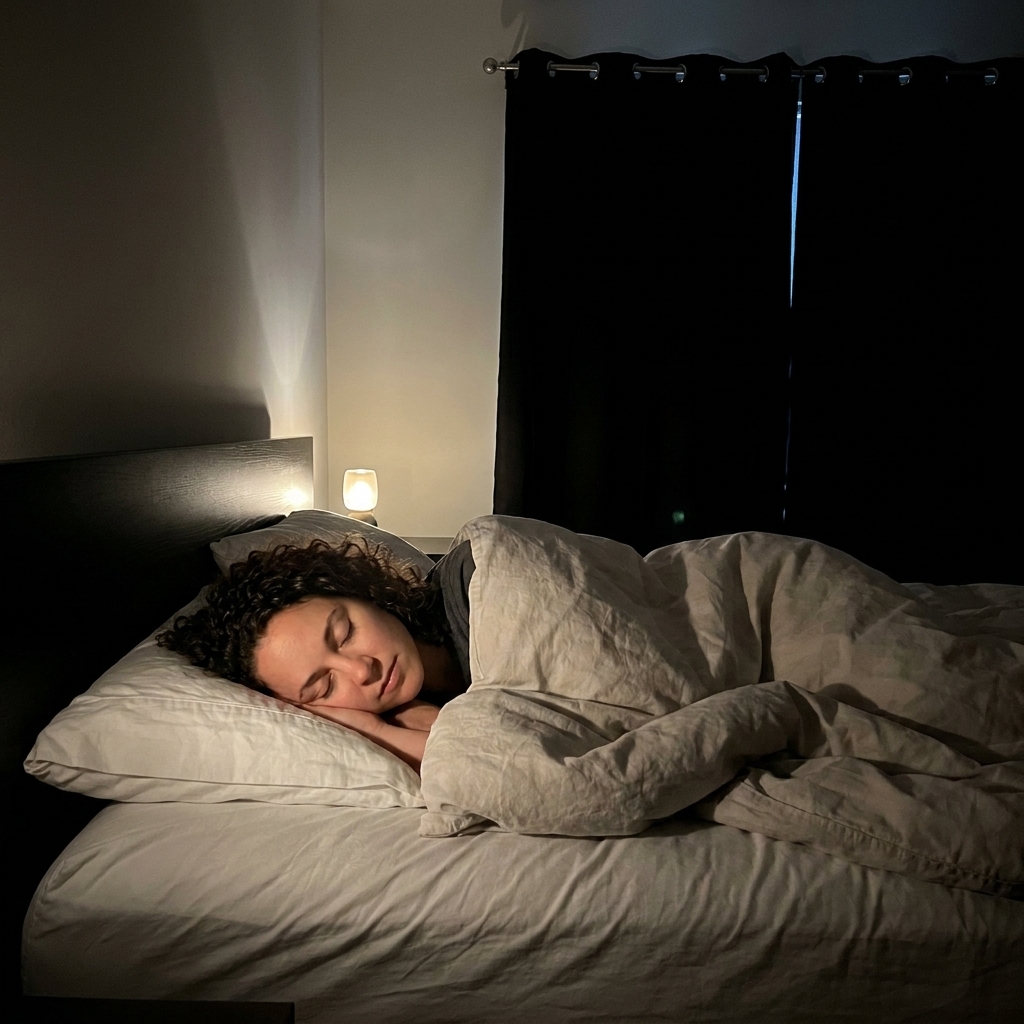
- Bedroom goal: cool, dark, quiet. This is where blackout curtains earn their keep. I live in the Pacific Northwest and will happily evangelize a good set.
Day 5: Nap smart or skip it
- If you are truly struggling: take a 10 to 20 minute nap, and keep it before 2:00 p.m.
- Avoid long naps: 60 to 90 minutes can be restorative for some people, but during a schedule reset it often steals sleep pressure from bedtime.
If you do not nap well, skip it. The goal this week is to build a clean, predictable sleep drive at night.
Day 6: Match exercise timing
- To shift earlier: schedule exercise in the morning or early afternoon if possible.
- To shift later: late afternoon exercise can support a later rhythm.
- Keep evenings gentle: If intense workouts rev you up, choose a walk, mobility work, or light cycling at night.
Exercise helps sleep quality, but timing affects some nervous systems more than others.
Day 7: Weekend-proof it
- Weekend rule: Keep wake time within 1 hour of your weekday wake time.
- Plan your evening: If you want a later night, choose it intentionally and protect the next morning light exposure.
- Minimum routine: decide the smallest version of your wind-down you will do even when life is busy.
Most schedule resets fail on Days 8 and 9 because the weekend pulls you back. A one-week reset works best when you protect the rhythm you just built.
If you cannot fall asleep earlier
This is the most common fear: “What if I move my wake time earlier and I just lie awake at night?” A little of that can happen for the first few nights. The key is to avoid teaching your brain that bed equals struggle.
Use the 20-minute rule
If you are awake long enough that you feel frustrated, get out of bed and do something quiet in dim light until you feel sleepy again. Think: a boring paperback, simple breathing, a low-light puzzle. Then return to bed.
Do not fix it by sleeping in
Keep the wake time. This is how the clock shifts. Sleeping in can feel like relief, but it often delays your next night’s sleepiness.
Check the usual blockers
- Too much light at night (overhead LEDs are sneakily powerful)
- Caffeine too late (especially energy drinks, pre-workout, or “one small coffee” at 4 p.m.)
Simple examples
Move earlier by 2 hours
Shift by 30 minutes per day for 4 days, then hold steady:
- Day 1 wake: 8:30 a.m.
- Day 2 wake: 8:00 a.m.
- Day 3 wake: 7:30 a.m.
- Day 4 wake: 7:00 a.m.
- Days 5 to 7: 7:00 a.m. anchor
Bedtime will follow once light and sleep pressure line up.
Move later by 1 hour
- Push wake time later by 15 minutes per day for 4 days.
- Get bright light later in the morning or early afternoon.
- Keep evenings brighter, and avoid very early sunlight exposure.
Troubleshooting
You keep waking at 3 or 4 a.m.
- Make sure your bedroom is not warming up. A cooler room may reduce early awakenings for some people.
- Avoid alcohol close to bedtime. It commonly fragments sleep in the second half of the night.
- Check for early-morning light leakage. Even a small gap in curtains can matter for light-sensitive sleepers.
You feel sleepy too early, then wake too early
- Get more outdoor light in late afternoon for a few days.
- Keep evening lighting slightly brighter until your bedtime shifts later.
You cannot shift at all
If you consistently cannot fall asleep until very late and struggle to wake earlier, you may have a delayed sleep-wake phase pattern. That does not mean you are broken. It means your clock runs later. A clinician can help with timed bright light and, in some cases, carefully timed low-dose melatonin. For phase shifting, melatonin is typically taken earlier in the evening as a timing cue, not as a “knock you out” pill, and timing matters more than quantity.
A simple wind-down
If bedtime routines have felt like one more chore, try this minimalist version. It is designed to reduce arousal, not create pressure.
- 5 minutes: dim the room, set your phone to charge away from the bed
- 5 minutes: hygiene basics, warm shower if it relaxes you
- 5 to 10 minutes: light stretch or legs-up-the-wall
- 5 to 10 minutes: a low-stimulation activity you genuinely enjoy (paper book, soft music, chamomile tea)

The goal is a repeatable cue: your brain learns that these steps predict sleep.
Quick checklist
- Wake time: fixed for 7 days
- Morning light: outdoors soon after waking (adjust duration for weather)
- Evenings: dim lights 2 hours before bed
- Caffeine: stop 6 to 10 hours before bed
- Naps: 10 to 20 minutes, before 2:00 p.m. (or skip)
- Weekends: keep wake time within 1 hour
FAQ
How long does it take to fix a sleep schedule?
Many people feel noticeably better within 7 to 10 days, especially in morning alertness. A full circadian shift can take longer depending on how big the change is and how consistent your light exposure and wake time are.
Should I take melatonin to reset my schedule?
Melatonin is a timing signal more than a sedative. Small doses, timed correctly, can help shift circadian rhythm for some people, but the timing is easy to get wrong. If you want to try it, consider talking with a clinician or a qualified sleep specialist, especially if you take other medications or have mood disorders.
Is it better to force bedtime or wake time?
Wake time. A consistent wake time plus morning light is a clean way to pull your body clock into a new groove without lying in bed wide awake for hours.
What if I work nights or rotating shifts?
You can still use the structure: anchor a consistent “wake” time for your main sleep period, use bright light when you want to be alert, and block light when you want to be sleepy. Shift work is hard on biology, and personalized light planning can make a big difference.
The bottom line
If your sleep schedule feels chaotic, start with what your circadian system understands best: light, timing, and consistency. For one week, protect a steady wake time, get outside light early, dim evenings, and keep caffeine and naps from undercutting sleep pressure. You do not need a perfect routine. You need a repeatable one.
If you try this plan and your sleep is still severely disrupted after a few weeks, or you have loud snoring, gasping, morning headaches, or extreme daytime sleepiness, it is worth getting screened for an underlying sleep disorder. Deep, restorative rest should not feel like a mystery you have to solve alone.