A sleep science coach’s guide to napping: when to nap, how long, and how to wake up so you feel better now and still sleep tonight.
The Rest Pact
Updated October 18, 2026
Created October 18, 2026
The Science of Power Napping

Maya Caldwell
Maya Caldwell is a certified sleep science coach and the lead researcher at RestPact. After overcoming years of chronic insomnia, she dedicated herself to making evidence-based sleep strategies accessible, helping others build bedtime routines that lead to deep, restorative rest.
I used to treat naps like a character flaw. Back when I was living on four hours of sleep and coffee refills, I would either fight the afternoon slump until my brain felt like it was buffering, or I would collapse into a “quick nap” that turned into an accidental two-hour time warp and a ruined bedtime.
The truth is, naps are not a moral issue. They are biology. If you time them well, a nap can restore alertness, mood, and mental sharpness. If you time them poorly, you can wake up groggy and steal sleep pressure from the night.
This guide will help you choose a nap length that works with how sleep is built, not against it.

Why naps feel great or rough
Your nap experience is mostly determined by two forces:
- Sleep pressure (your need for sleep after being awake). This builds across the day.
- Circadian rhythm (your internal clock). This creates predictable highs and lows in alertness.
Most people get a natural dip in alertness in the early afternoon, commonly around 1 to 3 pm, sometimes a bit later depending on the person and schedule. That dip is not just “a big lunch.” It is a circadian valley that makes sleep come easier. A well-timed nap takes advantage of it without taking so much sleep that your bedtime becomes harder.
The other major factor is which sleep stage you wake from. If you wake from lighter stages, you tend to feel refreshed. If you wake from deeper slow-wave sleep, you are more likely to feel heavy, foggy, and irritable for a while. That fog has a name: sleep inertia.
One more reassurance before we get tactical: plenty of people do not actually fall asleep in a 10 to 20 minute window. Quiet rest still helps, and it counts.
Best nap lengths
Think of nap length as choosing how deep you let your brain go. Here are the most useful options.
10 to 20 minutes: power nap
Best for: a quick boost in alertness, reaction time, and focus with minimal grogginess.
This short nap usually keeps you in lighter sleep stages. That is why it tends to feel “clean,” or more simply, clear-headed when you wake.
- If you want one default nap length: aim for 15 to 20 minutes.
- If you are new to napping: start with 10 to 15 minutes and work up.
25 to 35 minutes: the risky middle
Best for: some people, but it is a common trouble spot.
A nap in this range is long enough that many people drift into deeper sleep, but not long enough to complete a full cycle. For many bodies, that makes waking up feel more sluggish. If 30-minute naps reliably make you feel worse, you are not broken. Your timing is just landing in an unfortunate part of your sleep architecture.
60 minutes: deeper recovery
Best for: a more substantial recharge when you are sleep-deprived. It may also support certain types of learning and memory, depending on the person and what you are asking your brain to do.
A longer nap can include more slow-wave sleep, which is restorative. The catch is that waking from slow-wave sleep can produce stronger sleep inertia. Plan a buffer after waking.
- Use this when: you can afford 15 to 30 minutes of “warm-up time” afterward.
90 minutes: a full cycle (for many people)
Best for: a bigger reset. For some people, it can also help with emotional steadiness and flexible thinking, especially if you catch some REM.
Adult sleep cycles vary widely, often somewhere around 70 to 110 minutes. Still, 90 minutes is roughly one full cycle for many people, potentially including both deeper sleep and REM. Because you are more likely to wake at a cycle boundary, it can feel smoother than a 60-minute nap for some.
Tradeoff: it can meaningfully reduce sleep pressure for the night, especially if you take it late in the day.
Best time to nap
For most adults, the sweet spot is early to mid-afternoon, often between 1 and 3 pm. This lines up with the circadian dip and still leaves enough time for sleep pressure to rebuild before bedtime.
Protect a 6 to 8 hour buffer
If you struggle with falling asleep at night, keep your nap earlier by maintaining a buffer of about 6 to 8 hours between the end of your nap and your intended bedtime. The more sensitive you are to insomnia, the more that buffer matters.
If you work nights
Shift work changes the game. In general, place your nap before your main sleep in a way that improves alertness for safety and performance, without pushing your primary sleep later. Many night-shift workers benefit from either:
- a 20-minute nap before a shift, or
- a 90-minute nap earlier in the day to reduce sleep debt.
If you are driving, operating machinery, or doing safety-sensitive work, naps are a legitimate performance tool. Keep them planned, keep a wake-up buffer, and never use a nap as a substitute for real sleep when you are dangerously tired.
Will napping ruin sleep?
It can, but it does not have to. Naps affect nighttime sleep through two main pathways:
- Reduced sleep pressure: the longer and later the nap, the more it can blunt your drive to sleep at bedtime.
- Blurred circadian cues: late naps can muddy the day-night signals your brain uses to time sleep, making bedtime feel less distinct.
If you have insomnia or are trying to stabilize your sleep schedule, treat naps like a temporary tool, not a daily requirement. When you do nap, keep it short (10 to 20 minutes) and early (before mid-afternoon).
Gentle truth: If you are napping because you are regularly under-sleeping at night, the most restorative fix is usually more nighttime sleep, not a better nap strategy.
If you need long naps most days to function, or if daytime sleepiness feels persistent and out of proportion, consider it a signal to look at sleep quantity, sleep quality, medications, mood, and possible sleep disorders. A clinician can help you sort out what is normal fatigue and what needs treatment.
Wake up better
Use a nap container
A nap goes best when it has clear edges. Try this simple container:
- Set an alarm for your target nap length (and consider a second alarm 2 minutes later).
- Get physically comfortable, but not so comfortable that you drift into a long sleep unless that is the plan.
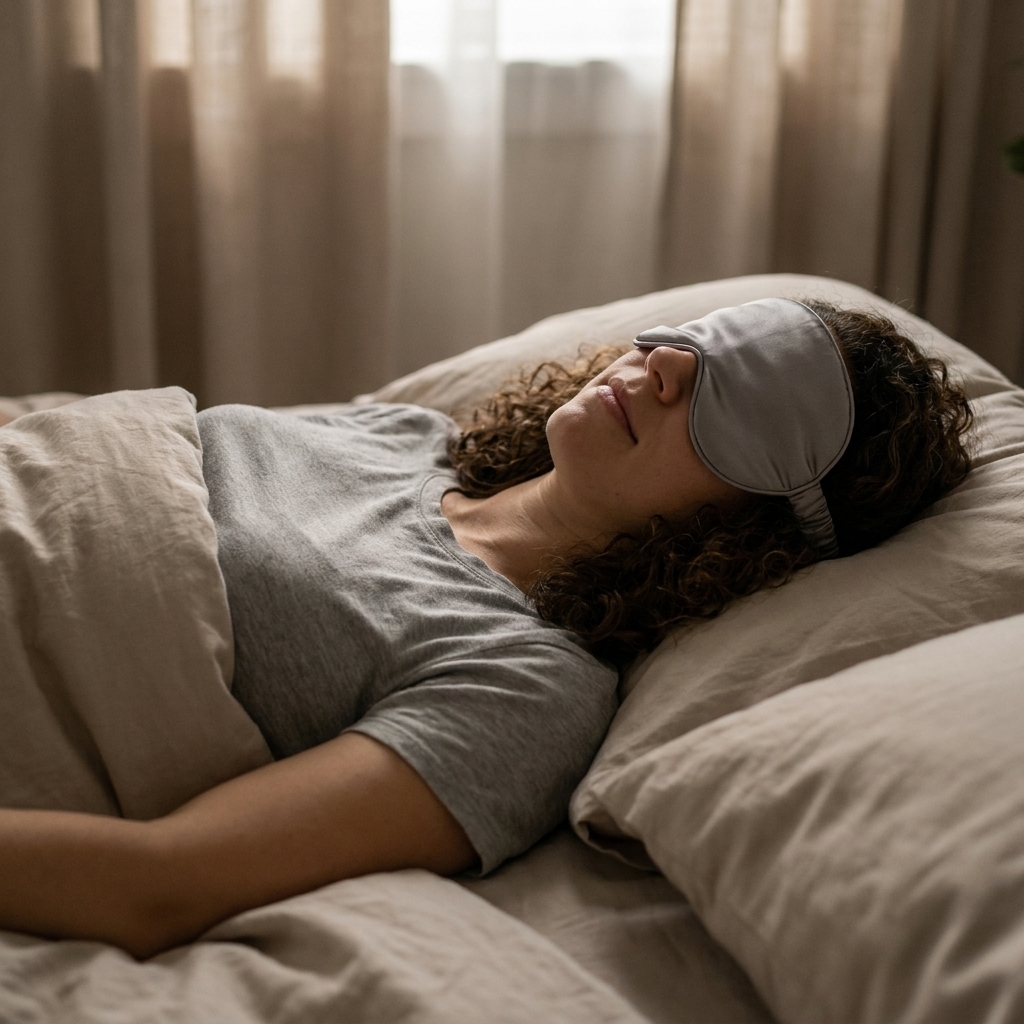
- Dim the room or use an eye mask to fall asleep faster.
Quick environment check
- Cooler is better: slightly cool room, light blanket.
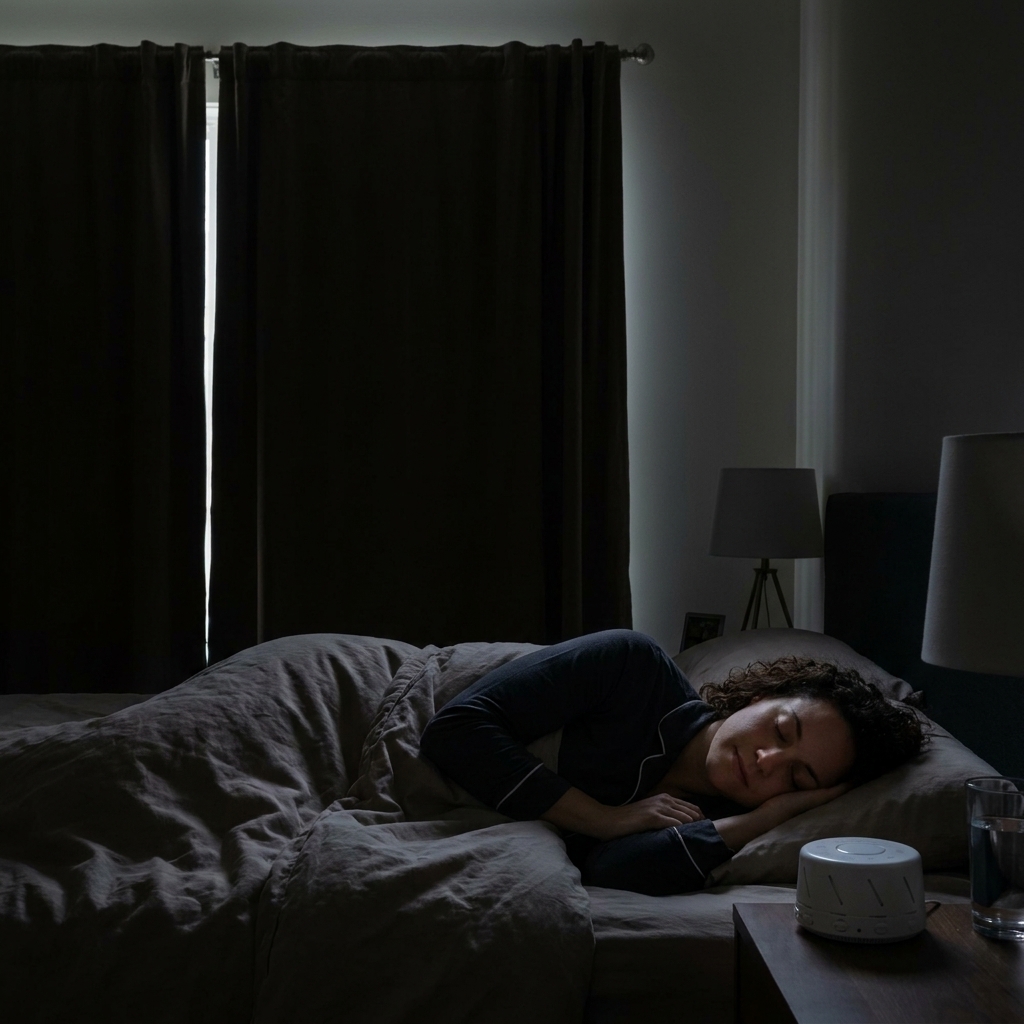
- Quiet helps: white noise or earplugs if needed.
- Silence notifications: your phone should not be running your nervous system.
Try a coffee nap
If caffeine works well for you, a coffee nap can be surprisingly effective:
- Drink a small coffee quickly.
- Immediately lie down for a 15 to 20 minute nap.
- Caffeine often starts to kick in about 15 to 30 minutes later, which can line up nicely with wake-up time and reduce grogginess.
Skip this if caffeine worsens your anxiety, reflux, or nighttime sleep.
Plan a re-entry
Give yourself 5 to 15 minutes to reboot:
- Get bright light in your eyes (step outside if possible).
- Drink water.
- Move your body for 1 to 2 minutes, even if it is just a brisk walk around the room.

Nap troubleshooting
“I cannot fall asleep.”
That is common, especially if you are stressed or running on adrenaline. Two options:
- Try a non-sleep deep rest break: lie down, eyes closed, no phone, and focus on slow breathing for 10 to 20 minutes. Even without sleep, you can reduce mental fatigue.
- Shift earlier: if you are waiting until late afternoon, you may be missing your circadian dip.
“My naps turn into long naps.”
Make it harder to accidentally oversleep:
- Nap sitting slightly propped up on a couch or recliner rather than fully in bed.
- Use a louder alarm placed across the room.
- Choose 10 to 15 minutes until you prove consistency.
“I wake up anxious or with a racing heart.”
This can happen with deeper naps, sleep inertia, or if you wake abruptly from a vivid dream. It can also be linked to caffeine timing, stress, or sleep apnea. If it is frequent or intense, bring it up with a clinician, especially if you snore, gasp, or wake unrefreshed often.
Safety note
Do not nap while driving, and do not take a nap in a setting where you cannot be physically safe. If you are severely sleep-deprived, a nap can reduce immediate risk, but it is still not a replacement for getting real sleep as soon as you can.
Rest Pact basics
If you want this boiled down to a few trustworthy defaults:
- Best everyday nap: 15 to 20 minutes.
- Best time window: early afternoon, often 1 to 3 pm.
- If you are prone to insomnia: keep naps short and end them at least 6 to 8 hours before bed.
- If you need a bigger reset: choose 90 minutes rather than 60, and schedule a buffer for waking up.
And if you take nothing else from this: a nap is not a failure. It is a skill. Once you find your timing, it can become one of the gentlest performance upgrades available to you.
Quick FAQ
Is a nap better than caffeine?
They do different jobs. Caffeine blocks sleepiness signals, but it does not replace sleep. A short nap can restore alertness more naturally. For many people, a small coffee plus a 15 to 20 minute nap works well.
Are daily naps healthy?
For some people, yes, especially if the nap is short and early. For older adults and people with chronic insomnia, long or late naps can be more disruptive, so it is worth being extra conservative with timing.
What is the perfect nap length?
The most universally reliable choice is 10 to 20 minutes. If you have time and a real need, around 90 minutes can be powerful.