
A chronobiology-based checklist to support your body clock: light exposure, consistent timing, movement, meals, caffeine, and a bedtime routine that actually...
The Rest Pact
Updated October 18, 2026
Created October 18, 2026
How to Beat Sleep Inertia

Maya Caldwell
Maya Caldwell is a certified sleep science coach and the lead researcher at RestPact. After overcoming years of chronic insomnia, she dedicated herself to making evidence-based sleep strategies accessible, helping others build bedtime routines that lead to deep, restorative rest.
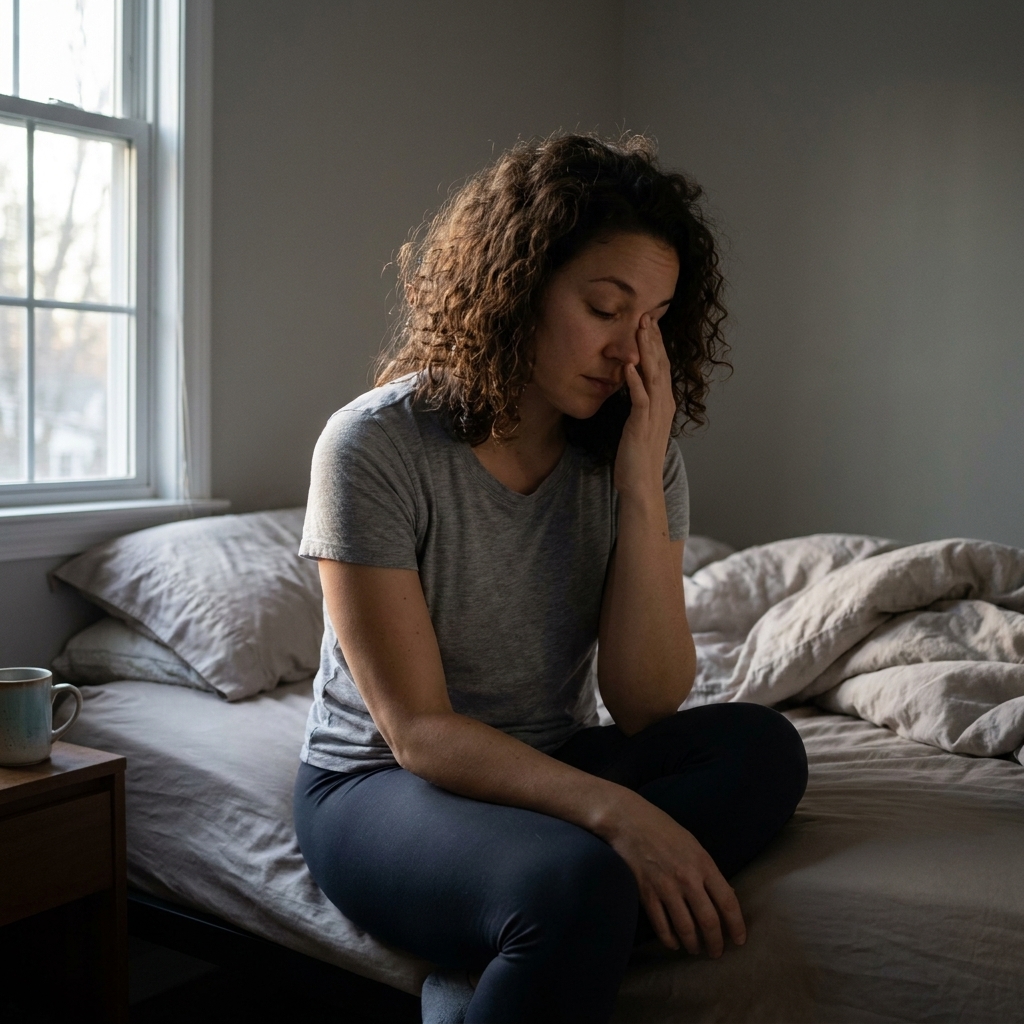
If you wake up technically awake but mentally stuck in slow motion, you are not broken and you are not alone. That heavy, foggy, can’t-find-your-words feeling has a name: sleep inertia. It is a real, measurable dip in alertness and performance that happens during the transition from sleep to wake.
I used to treat it like a personal failing, back when I was a project manager trying to brute-force mornings with a third coffee and pure willpower. Turns out, your brain is simply doing biology. The good news is that sleep inertia is responsive to the right levers, especially light, timing, and how you wake.
Below are science-backed strategies I use in my practice and in my own life in the Pacific Northwest, where I consider blackout curtains essential at night and bright light essential in the morning.
What it is
Sleep inertia is the grogginess and reduced mental sharpness you can feel right after waking. It often lasts 15 to 60 minutes, and in some cases it can linger up to about two hours, especially after sleep loss or when you wake abruptly from deep sleep.
Researchers can see it in reaction-time tests, attention tasks, decision-making, and even mood. In other words, it is not “in your head” in the dismissive way. It is in your head in the literal way.
What is happening in the brain?
When you wake up, your brain does not flip from asleep to awake instantly. Different regions come online at different speeds, and the networks that support executive function can lag behind. You may be upright and still feel mentally offline.
Why it can feel worse
- You woke from deep sleep (slow-wave sleep). Being yanked out of the deepest stage of sleep tends to produce heavier inertia.
- You are sleep deprived. The less sleep you get, the stronger and longer inertia often feels.
- Your circadian timing is misaligned. Waking at a biological low point can amplify grogginess, even if you slept enough.
- You used alcohol or sedating meds. These can fragment sleep architecture and worsen next-morning fog.
- You hit snooze repeatedly. More on that soon, because snooze is a sneakier problem than it looks.
Fastest lever: light
If you do only one thing, do this: get bright light into your eyes soon after waking. Morning light supports circadian timing and can have an acute alerting effect. For many people, that can help shorten the fog, even if it is not a magic switch and responses vary.
Best option: outdoor light
Step outside for 5 to 15 minutes, ideally without sunglasses. Cloudy day? Still worth it. Outdoor light is dramatically brighter than typical indoor lighting, even when it looks gray.
Pacific Northwest note: In winter, I treat morning outdoor light like medicine. If it is dark when you wake, use a bright indoor option first, then get outside as soon as the sun is up.

If you cannot go outside
Most homes are lit like caves in the morning. Turn on multiple lights, open blinds, and sit near your brightest window while you hydrate or eat. Some people also use a clinically tested light therapy box. If you choose that route, follow the device instructions and check with your clinician if you have bipolar disorder, significant eye disease, or take photosensitizing medications.
Try a light sandwich
This is my favorite simple protocol for stubborn inertia:
- Minute 0: Bright light immediately when you wake (lamp on, curtains open).
- Minute 5 to 20: Movement plus hydration (even gentle).
- Minute 20 to 40: Outdoor light if possible.
Skip snooze
Snooze feels kind, but it often backfires. When you drift back into light sleep for 5 to 10 minutes at a time, you can create a series of mini wake-ups that leave you feeling more disoriented. Some people may also slip into deeper sleep during a longer snooze window, which can make the final wake-up heavier.
A better approach
- Set one alarm for your true wake time.
- Place it across the room so you must stand up.
- Pair it with light so your environment changes immediately.
If you love the psychological comfort of a backup, set a second alarm for 5 minutes later as a safety net, not a snooze invitation.
10-minute reset
You do not need a two-hour morning ritual. You need a short sequence that reliably flips your system toward wakefulness.
The 10-minute reset
- Light: Turn on bright lights and open curtains immediately.
- Hydrate: Drink a full glass of water. Overnight you lose fluid through breathing and sweat, and mild dehydration can contribute to fatigue.
- Temperature cue: Wash your face with cool water or take a brief cool rinse at the end of your normal shower. The alerting feeling is likely more about arousal and sympathetic activation than “cooling off” itself.
- Move: Do 60 to 120 seconds of gentle movement. Think: brisk hallway walk, air squats, calf raises, or a mobility flow.
- One clear target: Choose your first task before you open email. Decision fatigue is real, and inertia loves a wandering morning.

Consistency matters more than intensity. Your brain learns cues. When the same sequence happens every morning, waking becomes less negotiable.
Caffeine timing
Coffee can be helpful, but the timing changes the outcome, and this is more individual than people make it sound online.
Experiment with a delay
Some people do better when they wait 60 to 90 minutes after waking. Others feel worse if they delay it, especially if they are sleep deprived or have a safety-sensitive morning. Treat this as a personal experiment, not a rule.
Try coffee after light
A practical compromise: get bright light and hydration first, then have caffeine. This also helps you avoid associating coffee with permission to stay in bed.
Watch the cutoff
To protect nighttime sleep, many people benefit from avoiding caffeine in the 6 to 10 hours before bed, depending on sensitivity and dose.
Look upstream
Sleep inertia is normal sometimes. But if it is a daily battle, your morning routine might not be the main issue. Often the real fix is upstream.
1) Not enough sleep
This is the unglamorous one. Adults commonly do best with 7 to 9 hours. If you are regularly below your need, your brain will cling to sleep.
2) Inconsistent wake time
Big swings train your circadian rhythm to be unpredictable. Aim for a wake time that stays within about an hour day to day, including weekends.
3) Waking from deep sleep
If your alarm is forcing you up during a deep-sleep segment, inertia can feel like quicksand. You can experiment with:
- Moving your wake time earlier or later by 15 to 30 minutes for a week and tracking how you feel.
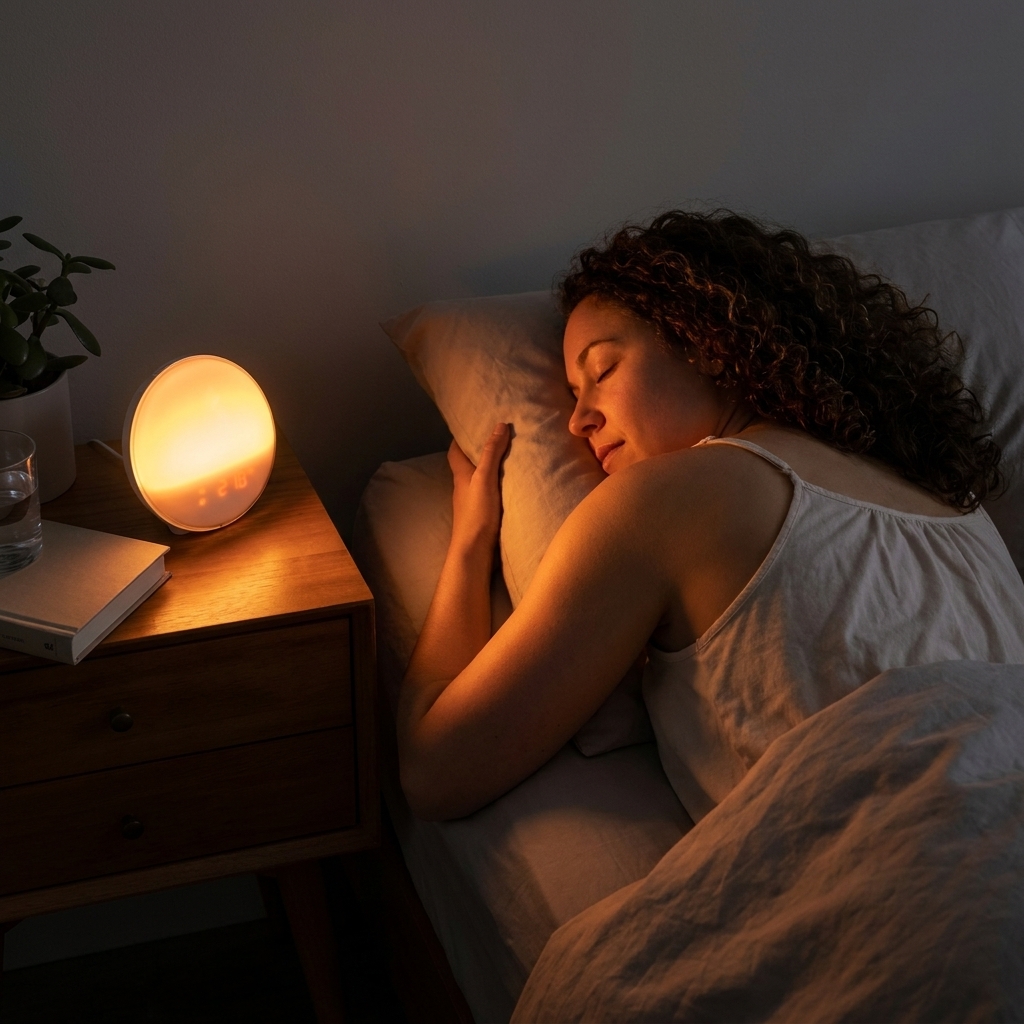
- Using a sunrise alarm to soften the wake transition.
4) Fragmented sleep
Frequent awakenings can reduce restorative sleep and leave you feeling unrefreshed even with enough hours. Common disruptors include alcohol, late heavy meals, reflux, pain, and stress.
5) Consider sleep disorders
If you have loud snoring, witnessed breathing pauses, morning headaches, dry mouth, or intense daytime sleepiness, it is worth discussing sleep apnea with a clinician. If you struggle with irresistible sleep attacks or sudden muscle weakness with strong emotions, ask about evaluation for narcolepsy or related conditions.
This article is educational and not medical advice, but I will say this plainly: treating an underlying disorder can make morning grogginess hacks almost irrelevant because your baseline improves so much.
Special cases
After a nap
Naps can be wonderful, but waking from a long nap can trigger sleep inertia. For many people, a 10 to 20 minute nap is less likely to produce heavy grogginess than a longer one. If you do take a longer nap, plan for a buffer window before you need sharp focus.
Shift work and early flights
When your schedule forces you to wake at a biological nighttime, inertia is more likely. In these cases:
- Use bright light strategically when you need to be awake.
- Protect sleep with darkness when you need to sleep during the day.
- Keep caffeine earlier in the work day to avoid wrecking the next sleep window.
Teens and young adults
Adolescents often have a naturally later circadian rhythm. Early school start times can create chronic sleep loss, which makes morning inertia feel extreme. If you are parenting a teen, the most powerful lever is usually earlier, consistent wind-down and sleep opportunity, plus morning light exposure.
Safety note
If your sleep inertia is severe, treat the first part of your morning like a risk zone. Avoid driving, operating machinery, or making high-stakes decisions until you are fully alert. This matters even more after naps, night shifts, and short sleep.
7-day plan
If you like structure, here is a low-stress way to test what works, without changing everything at once.
Days 1 to 2: Light first
- Bright light immediately after waking.
- Outdoor daylight within 30 minutes if possible.
Days 3 to 4: Remove snooze
- One alarm only, placed across the room.
- Hydration as soon as you stand up.
Days 5 to 6: Add movement and caffeine timing
- Two minutes of movement after hydration.
- Try caffeine after light, or experiment with a 60-minute delay.
Day 7: Review
- Rate morning grogginess from 1 to 10.
- Note bedtime, wake time, and any awakenings.
- If inertia is still severe, prioritize earlier bedtime and a consistent wake time for the next week.
FAQ
How long does it last?
It often lasts 15 to 60 minutes. It can be longer after sleep deprivation, waking from deep sleep, or circadian misalignment, sometimes up to about two hours. Bright light and movement tend to shorten it for many people.
Is it the same as fatigue?
Not exactly. Sleep inertia is a transition state after waking. Fatigue can persist all day and may be related to sleep quantity, sleep quality, medical issues, or mental health. If you feel exhausted for most of the day, look beyond inertia.
Do cold showers help?
A brief cool rinse can increase alertness for many people. You do not need to suffer. Even 10 to 30 seconds at the end of a shower or cool water on your face can be enough to create a wake-up cue.
What if I wake up groggy even after 8 hours?
That can happen with fragmented sleep, inconsistent schedules, alcohol, certain medications, or sleep disorders like sleep apnea. If it is frequent, track a week of sleep and discuss patterns with a clinician.
Takeaway
Sleep inertia is a normal part of human physiology, but you do not have to white-knuckle your mornings. Start with the highest-impact moves: bright light early, no snooze, hydration and movement, and smart caffeine timing. If grogginess is persistent and intense, treat that as useful data, not a character flaw. It is often your sleep schedule, your sleep quality, or your circadian rhythm asking for a little more support.