A chronobiology-based checklist to support your body clock: light exposure, consistent timing, movement, meals, caffeine, and a bedtime routine that actually...
The Rest Pact
Updated October 18, 2026
Created October 18, 2026
When to Exercise for Better Sleep

Maya Caldwell
Maya Caldwell is a certified sleep science coach and the lead researcher at RestPact. After overcoming years of chronic insomnia, she dedicated herself to making evidence-based sleep strategies accessible, helping others build bedtime routines that lead to deep, restorative rest.
I used to treat workouts like a bargaining chip: squeeze in a run whenever my calendar allowed, then wonder why I was wired at 11 p.m. staring at the ceiling. What I learned (the hard way, then the evidence-based way) is that exercise is among the more reliable behavioral supports for better sleep, but timing and intensity can nudge your sleep in different directions.
Below is a research-informed way to think about when to do your morning runs, afternoon strength training, or evening yoga so your workouts support your sleep quality instead of accidentally sabotaging it.

How exercise affects sleep
Sleep is built from repeating cycles that include light sleep, deep non-REM sleep (slow-wave sleep), and REM sleep. Exercise can influence this whole system in a few big ways:
- Sleep pressure: Physical activity may increase homeostatic sleep drive (often discussed through the lens of adenosine), which can help you feel sleepier later.
- Body temperature timing: Exercise raises core body temperature. After you cool down, that temperature drop can help cue your brain that it is time to sleep.
- Stress chemistry: Moderate exercise can reduce baseline stress and improve mood. Very intense exercise close to bedtime can raise arousal in some people.
- Circadian cues: Light exposure plus movement, especially in the morning, can strengthen your day-night rhythm and support steadier sleep timing.
Translation: for most people, exercising at almost any time beats not moving at all. But the “best” time depends on what you are doing and what your sleep struggles look like.
Best time to exercise
Morning cardio
If you want to fall asleep earlier, wake up more consistently, or stop feeling like your brain is booting up at noon, morning exercise is a strong bet.
Why it can help: Morning movement, especially outdoors, stacks two powerful circadian cues: activity + bright light. Over time, that can pull your body clock earlier and make it easier to feel sleepy at night.
- Great for: night owl tendencies, inconsistent sleep schedule, grogginess on waking
- Try: within 1 to 3 hours of waking, ideally with daylight exposure
- Keep it doable: You do not need a heroic run. A brisk 20 to 30 minute walk counts.

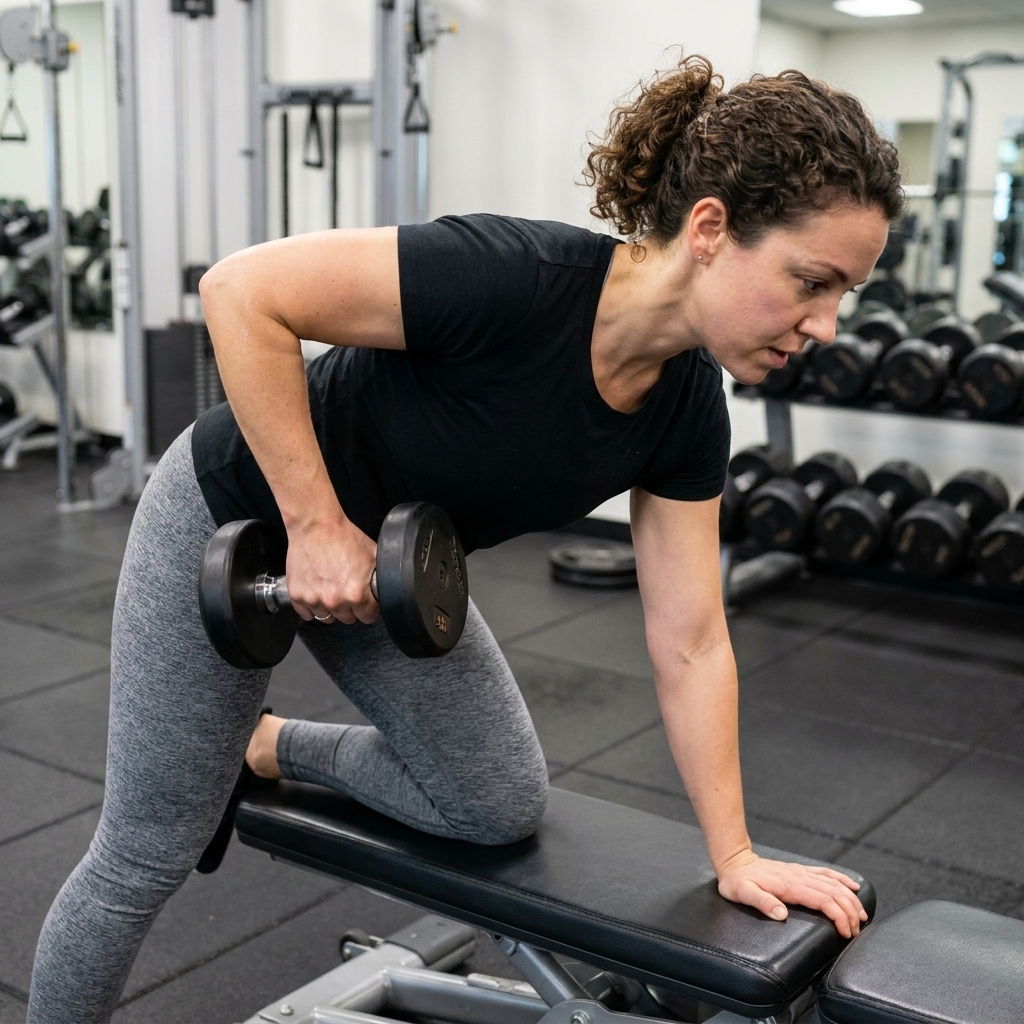
Afternoon strength
If you love lifting, intervals, or harder training blocks, many people find that midday to late afternoon is a sleep-friendly compromise for intense work. Performance often feels better later in the day because core temperature and neuromuscular coordination tend to rise as the day goes on.
Why it can help: Getting hard training done earlier gives your nervous system time to downshift. It also lowers the odds that elevated heart rate and stimulation follow you into bed.
- Great for: people who want to train hard without bedtime restlessness, those prone to evening anxiety
- Try: roughly 2 to 6 p.m., or at least 2 to 3 hours before bedtime when possible
- Practical tip: If evening is your only slot, extend your cool-down, keep caffeine earlier in the day, and give yourself a calmer runway into bed.
Evening gentle movement
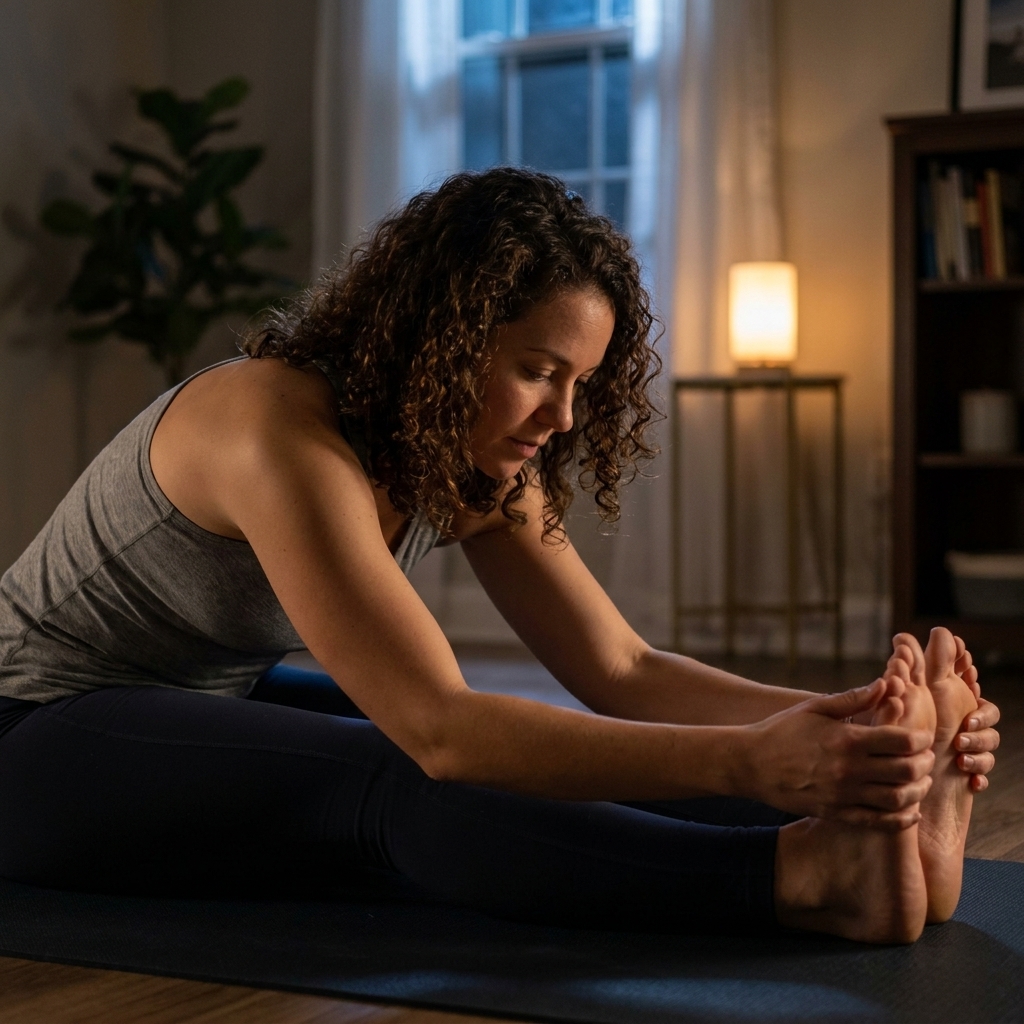
Gentle movement in the evening can be a powerful bridge between a busy day and a calmer night. The key word is gentle.
Why it can help: Light activity may reduce muscle tension, lower perceived stress, and support a smoother transition into bedtime. Think of it as telling your body, “We are safe. We are landing the plane.”
- Great for: stress-driven insomnia, tight muscles, winding down
- Try: 30 to 90 minutes before bed, keeping intensity low
- Watch-outs: Hot yoga or very vigorous flows right before bed can backfire if they spike your heart rate and leave you overheated.
Is night exercise bad?
For years, the advice was simple: never work out late. Current research is more nuanced. Many people can exercise in the evening without harming sleep, especially if the workout is moderate and ends with enough time to cool down.
That said, some sleepers are more sensitive, particularly if they are already dealing with insomnia or anxiety. If late workouts make you feel:
- hot and unable to cool down
- mentally wired or restless
- hungry in a way that leads to a big late meal
- tempted to use extra caffeine to push through
then it is worth experimenting with moving that session earlier or adjusting intensity.
A timing rule
If you want one guideline you can actually remember:
Aim to finish vigorous exercise about 2 to 3 hours before bed when possible.
If you exercise closer than that, keep it lighter, add a longer cool-down, and pay attention to how you sleep.
As a useful nuance: vigorous sessions within about 1 hour of bedtime are more likely to disrupt sleep for some people, while finishing 2 or more hours before bed is often well tolerated.
What counts as vigorous?
“Intensity” is where this topic gets fuzzy, so here is a practical definition:
- Light: you can sing. Easy walk, gentle yoga, mobility work.
- Moderate: you can talk in full sentences, but you are breathing heavier. Steady jog, easy cycling, most casual gym circuits.
- Vigorous: you can only speak a few words at a time. Intervals, hard runs, heavy lifting with short rest, intense classes.
If you are unsure, treat anything that leaves you feeling “amped” as vigorous for the purpose of sleep timing.
Match timing to your goal
Hard to fall asleep
- Try morning or midday workouts, or keep evening sessions gentle.
- Avoid high-intensity intervals late at night at first, then re-test later once sleep improves.
Waking up often
- Prioritize consistent daily movement and avoid late heavy meals triggered by late workouts.
- Experiment with afternoon training, which may reduce nighttime arousal for some people.
Waking too early
- Be cautious with very early, very intense workouts if they shift your body clock earlier.
- Aim for midday to afternoon exercise and consider clinician guidance if early waking is persistent or severe.
Night owl shifting earlier
- Do morning outdoor movement most days, even if it is a walk.
- Limit late-night vigorous exercise, especially under bright gym lighting.
Sleep stages and trackers
Here is the realistic, evidence-aligned takeaway: regular exercise is associated with better sleep quality overall, and many people see improvements in sleep efficiency (how much time in bed is actually spent asleep), mood, and daytime energy.
But on an individual night, wearables can make this feel more dramatic or more precise than it really is. If your tracker says your deep sleep dipped after a late workout, do not panic. Look for patterns across at least a couple of weeks, and ideally several weeks if your training load, stress level, or menstrual cycle varies.
Three sleep-friendly schedules
Circadian anchor
- Morning: 20 to 40 minute walk or easy jog outdoors
- Late afternoon: strength training 2 to 4 days per week
- Evening: 10 minutes of stretching or breath-led yoga
After-work athlete
- 5:30 to 6:30 p.m.: main workout (moderate to hard)
- After: 10 minute cool-down plus a shower to help you downshift
- 8:30 p.m. onward: dim lights, lighter snacks, calming routine
Late-shift or parent life
- Anytime you can: two 10 to 15 minute movement snacks
- Closest to bedtime: only gentle movement (mobility, stretching)
- Non-negotiable: keep wake time as steady as possible
When exercise backfires
1) Late workout plus late caffeine
The combo matters. A 7 p.m. workout might be fine until you add a 5 p.m. energy drink. If sleep is fragile, set a caffeine cutoff earlier in the day.
2) Going to bed overheated
Overheating is a classic sleep killer. If you train in the evening, try:
- a longer cool-down walk
- a warm shower 60 to 90 minutes before bed (it can promote a post-shower temperature drop)
- a cooler bedroom and breathable bedding
3) Big late meals
Post-workout nutrition is important, but huge, heavy meals right before bed can worsen reflux and fragment sleep. When possible, aim for a lighter protein-forward snack and a more substantial meal earlier.
4) More intensity is not always more sleep
Overtraining can raise baseline stress and disrupt sleep. If you are consistently sore, irritable, or waking up unrefreshed, consider dialing intensity down for a week and tracking what happens.
Quick FAQ
How long before bed should I stop exercising?
A good starting point is 2 to 3 hours for vigorous exercise. Gentle yoga, stretching, and easy walking can be closer to bedtime.
Is it okay to lift weights at night?
For many people, yes, especially if it is not extremely intense and you have time to cool down. If you feel wired afterward, move lifting earlier or lower intensity at night.
Does morning exercise help insomnia?
It can, particularly when it increases daylight exposure and strengthens a consistent wake time. It is not a standalone cure, but it often supports better sleep over time.
What if the only time I can work out is late?
Do it. Then make it more sleep-friendly: keep lights lower after, extend your cool-down, avoid late caffeine, and prioritize a calming wind-down routine.
What if I think I have restless legs?
Gentle movement can help some people in the moment, but if you have frequent evening leg discomfort, an urge to move, or sleep disruption, consider getting evaluated. Iron status and other factors can matter, and the fix is not always just stretching.
Safety note
If you have chest pain, dizziness, a new heart diagnosis, are pregnant, are returning to exercise after a long break, or suspect a sleep disorder such as sleep apnea, check in with a clinician before making big changes. And if insomnia is persistent, cognitive behavioral therapy for insomnia (CBT-I) is the gold-standard treatment.
The Rest Pact bottom line
Think of exercise timing as a dial, not a rule. Morning movement can be excellent for circadian rhythm and earlier sleep. Afternoon training is often a sweet spot for harder workouts. Evening gentle movement can be a powerful downshift. Your job is not to chase a perfect schedule. It is to find the version you can repeat, week after week, without making bedtime harder.
If you want an easy experiment: keep your workout the same for two to three weeks, but move it two hours earlier. Track sleep onset time, nighttime awakenings, and how you feel at 2 p.m. The data from your own body is often the clearest signal.
Sources worth reading: The American Academy of Sleep Medicine (AASM) and major reviews on exercise and sleep in journals such as Sleep Medicine Reviews and Sports Medicine.