A practical checklist for spotting sagging, foam fatigue, allergen buildup, overheating, and instability, plus replace-now scenarios, warranty tips, and what...
The Rest Pact
Updated October 18, 2026
Created October 18, 2026
Bed Bugs vs. Dust Mites: What Mattress Encasements Can and Cannot Do

Maya Caldwell
Maya Caldwell is a certified sleep science coach and the lead researcher at RestPact. After overcoming years of chronic insomnia, she dedicated herself to making evidence-based sleep strategies accessible, helping others build bedtime routines that lead to deep, restorative rest.
I have a soft spot for mattress encasements. Not because they are glamorous, but because they are one of the rare sleep products that can genuinely reduce stress when you use them for the right problem.
The confusion usually starts here: bed bugs are a visible, spreading infestation. Dust mites are microscopic, always around, and their biggest issue is the allergens they leave behind. A cover can help in both situations, but the goal, the specs, and the limits are completely different.
Infestation vs. allergens
Bed bugs are an infestation problem
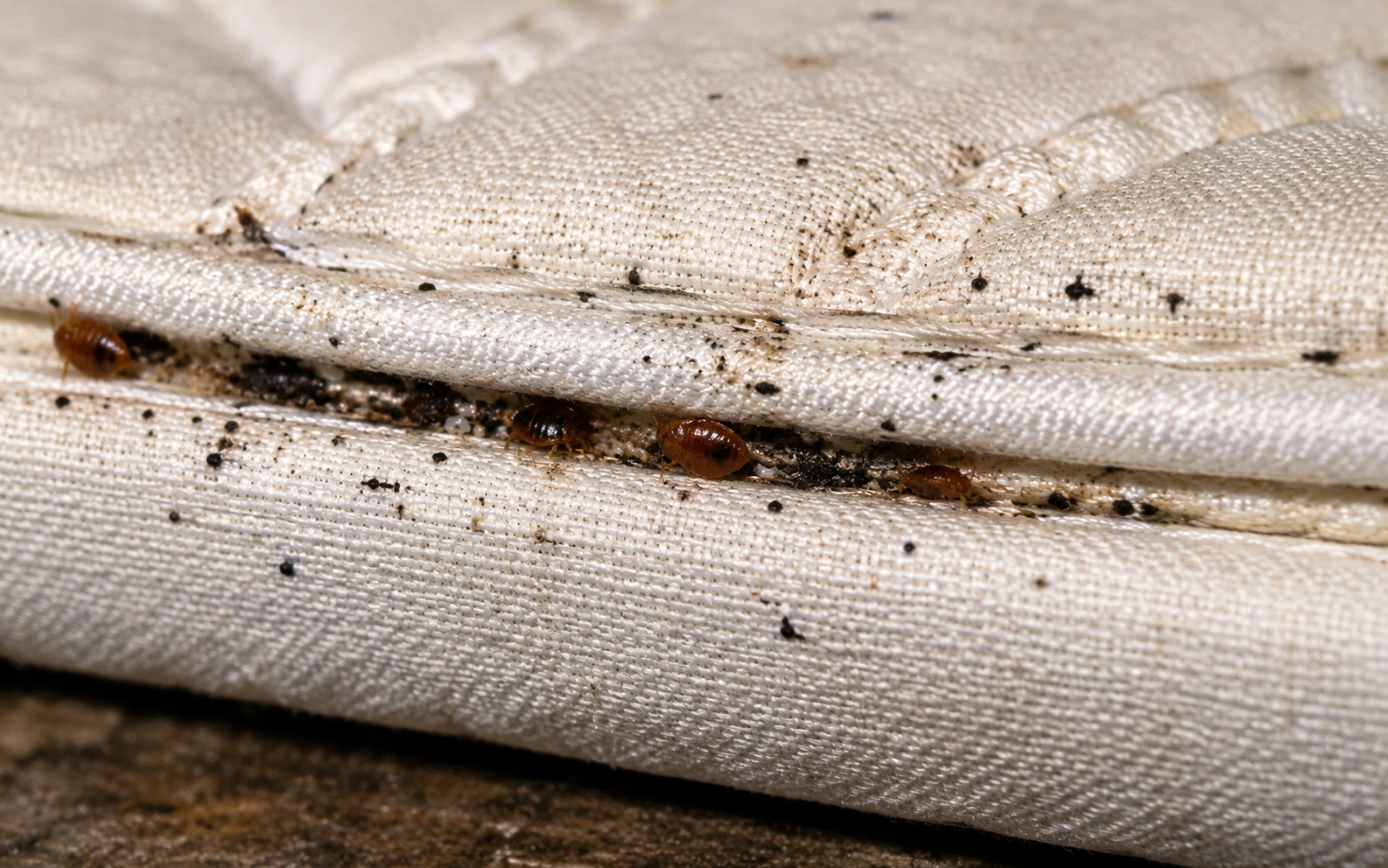
Bed bugs are insects. If you have them, you are dealing with a reproducing population that can spread through bedrooms, furniture, and adjacent units. The goal is to contain, reduce hiding places, and support a broader eradication plan that often requires professional treatment.
Common signs people notice include bites (though bites alone are not proof), small rust-colored stains on sheets, shed skins, or spotting along mattress seams and the bed frame.
Dust mites are an allergen exposure problem
Dust mites are tiny arachnids that feed on shed human skin. You do not typically “see” dust mites, and you do not “catch” them like bed bugs. The problem for many sleepers is allergen exposure, mainly from fecal pellets and body fragments that build up in bedding and upholstered items.
If you have allergic rhinitis or asthma, your goal is to reduce allergen load and keep the mattress from acting like a long-term reservoir.
Encasements for bed bugs
A properly designed encasement can be genuinely useful for bed bugs, but its role is specific.
How encasements help
- They can trap bed bugs inside the mattress or box spring. If bed bugs are already inside, sealing it means they cannot easily leave to feed. This only holds if the encasement is truly bed-bug-proof and stays fully sealed and intact.
- They remove a major hiding place. Mattresses and box springs are full of seams, tufts, and fabric folds. A tight encasement simplifies inspection and reduces harborage.
- They help you monitor activity. A smooth, light-colored surface makes spotting new evidence easier than inspecting deep seams.
What to look for
- Bed bug-rated construction. Look for explicit bed bug claims from the manufacturer and, when available, independent lab testing.
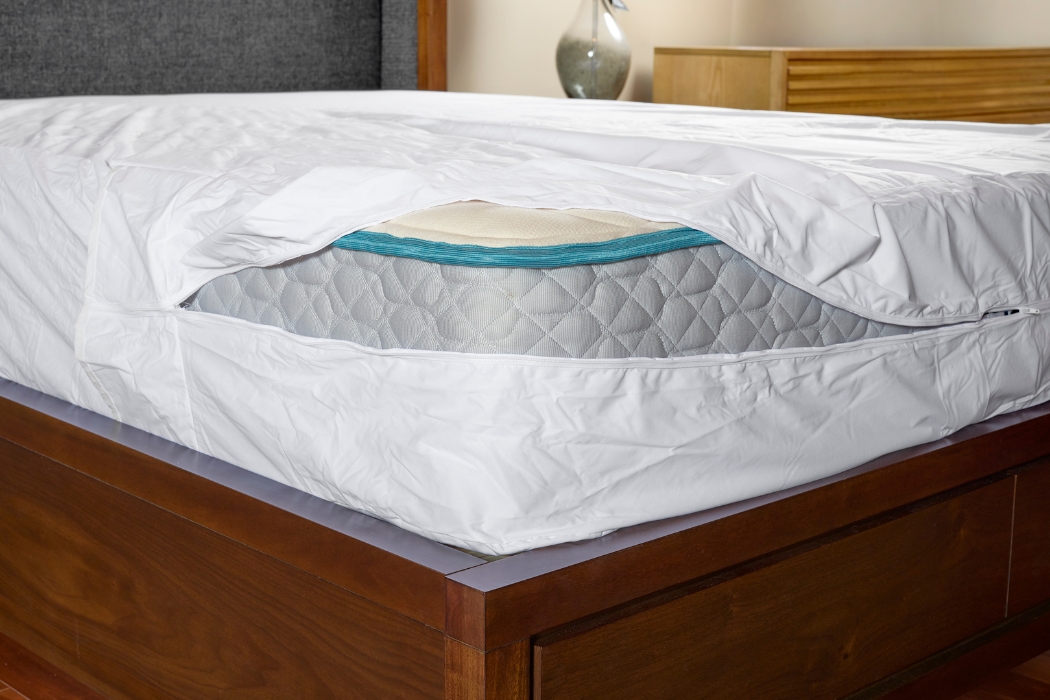
- A true full encasement, not a topper-style protector. You want six-sided coverage for the mattress, and ideally for the box spring too.
- Secure zipper and end stop. The zipper is the weak point. A good encasement closes fully and has an end-stop or zipper lock system so bugs cannot slip through.
- Seam integrity. Tight stitching and reinforced seams matter because bed bugs can exploit tiny gaps.
- Durability. Bed bug scenarios often involve more frequent handling, inspection, and sometimes laundering. If the cover tears, the containment benefit disappears.
What an encasement cannot do
- It cannot confirm you have bed bugs. Bites and rashes have many causes. Even experienced people misidentify skin reactions.
- It cannot stop bed bugs elsewhere from feeding. If bugs are in the frame, headboard, baseboards, or nearby furniture, you can still get bitten even with a perfect encasement.
- It cannot eradicate an infestation on its own. Bed bugs can live in bed frames, headboards, nightstands, baseboards, sofas, luggage, and more.
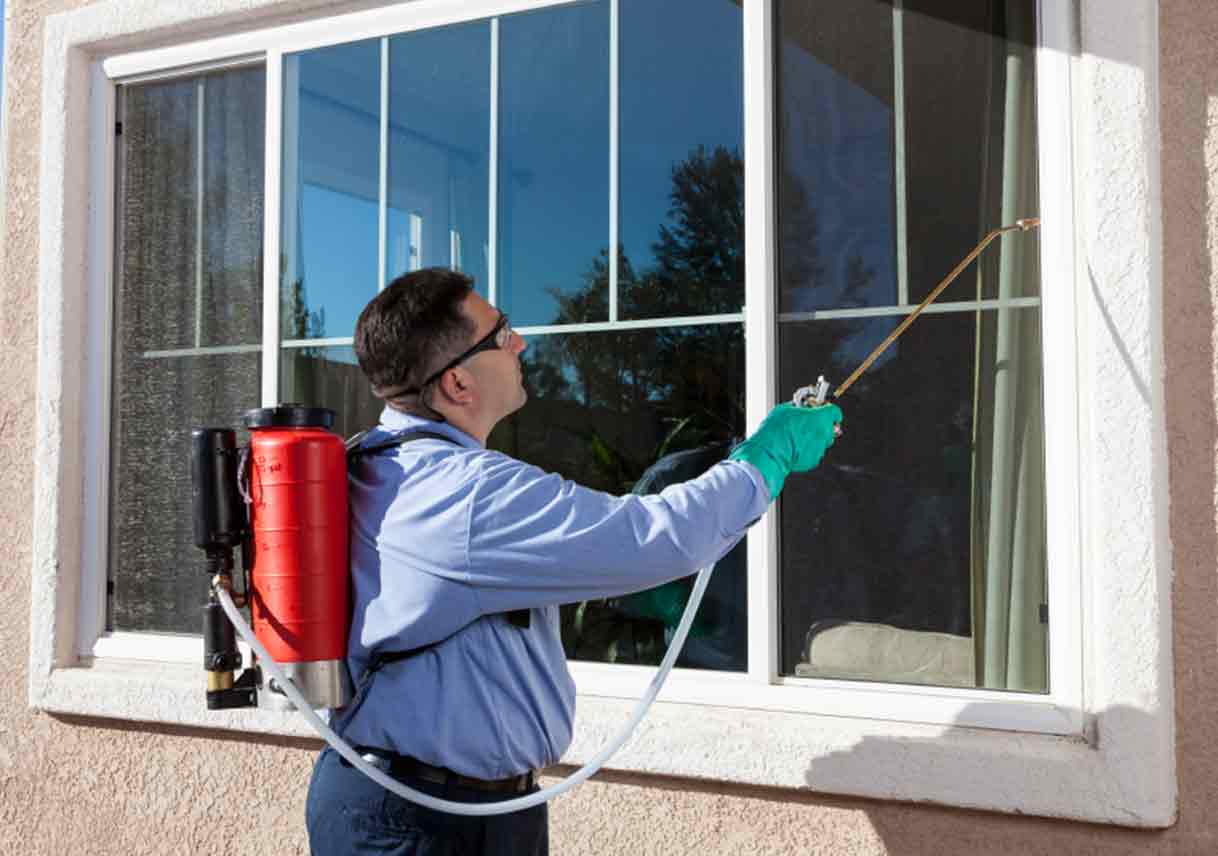
- It cannot replace professional assessment. If you suspect bed bugs, a licensed pest control professional can confirm the issue and map where activity is concentrated, which is critical for effective treatment.
If you suspect bed bugs, I recommend scheduling a professional inspection before you invest heavily in products. An encasement can be part of a smart plan, but it should not be your only plan.
Encasements for dust mites
With dust mites, the story is calmer but more persistent. You are not trying to “win” once. You are trying to lower exposure day after day.
How encasements help
- They create a barrier between you and allergens in the mattress. Mattresses can be a major reservoir because they are warm from body heat and can hold moisture depending on room humidity and bedding.
- They reduce how much allergen builds up inside over time. A good barrier means less mite allergen settles deep into the mattress where it is hard to remove.
- They make cleaning the sleep setup more effective. You can launder bedding and wipe down the encasement surface more easily than you can clean the inside of a mattress.
What to look for
- Lab-tested allergen barrier performance. Pore size is sometimes mentioned in marketing, but it is not the only meaningful indicator. Prioritize products that are tested as allergen barriers (whether they use tightly woven fabric, a membrane, or both).
- Comfort and breathability. If a cover makes you sweaty or crinkly, you will stop using it. For many sleepers, a breathable fabric layer or a well-designed membrane makes the difference.
- Washability. Real life matters. If the cover cannot be laundered according to your household needs, it becomes less useful.
- Full encasement. A fitted sheet-style protector can help with spills, but it does not create a consistent barrier on all sides the way a zippered encasement does.
- Pillow encasements, too. If allergies are the issue, pillows can matter as much as the mattress because your face is right there for hours.
What an encasement cannot do
- It cannot remove allergens already in the room. Carpets, curtains, upholstered furniture, stuffed animals, and pillows can contribute significantly.
- It cannot treat allergy disease. If you have persistent symptoms, you deserve medical guidance. A cover is an exposure-reduction tool, not a diagnosis or a treatment plan.
- It cannot replace basics like laundering bedding. Most allergen-reduction plans still rely heavily on washing sheets and pillowcases regularly and maintaining reasonable indoor humidity.

Two checklists
If you remember just one thing, let it be this: bed bug protection is about escape-proof engineering. Dust mite protection is about allergen barrier performance.
| Concern | What you are trying to solve | Encasement role | Key specs |
|---|---|---|---|
| Bed bugs | Active insect infestation and spread | Containment and reducing hiding places | Bed bug-rated, strong seams, secure zipper and end stop, full encasement |
| Dust mites | Chronic allergen exposure | Barrier between you and allergens in the mattress | Lab-tested allergen barrier, comfortable and breathable, washable, full encasement |
Common mistakes
For bed bugs
- Using an encasement as a substitute for treatment. Encasements are helpful, but they do not treat bed frames, furniture, or baseboards.
- Leaving the zipper slightly open. A partially closed zipper can defeat the whole point.
- Tearing the cover during installation. Go slowly, clear the floor, and consider a second set of hands for thick mattresses.
- Forgetting the box spring. If you have a box spring, it is a common harborage and often needs its own encasement.
For dust mites
- Buying a cover that is too hot or noisy. The best encasement is the one you can keep on your bed.
- Encasing the mattress but ignoring the pillow. If your symptoms are worst at night, pillows are often a big part of the picture.
Before you buy
An encasement protects the mattress, not the entire bed
Even the best encasement does nothing for the headboard, frame joints, baseboards, nearby clutter, or adjacent furniture. For bed bugs, those areas matter. For allergens, pillows and bedding matter just as much.
Bad fit and tiny gaps defeat the purpose
If the cover is too small, it strains seams and zippers. If it is too large, it bunches and can leave gaps. Measure your mattress height including any topper.
Rips, worn zippers, and frequent removal reduce protection
I am meticulous about this because I have lived it: when you are tired, you will take shortcuts. Choose a cover you can realistically keep on, keep closed, and keep intact.
If you suspect bed bugs
Because bed bugs spread and because misidentification is common, it is worth taking a measured approach.
- Do a careful visual check. Look along mattress seams, piping, and tags. Check the box spring, especially around the fabric underside. Inspect the bed frame joints and headboard.
- Avoid moving items room to room. If you have bed bugs, relocating bedding or luggage can spread them.
- Schedule a licensed pest inspection. A licensed pest control professional can confirm presence and recommend a targeted plan.
- Use encasements as part of the plan, not the plan. Encase both the mattress and box spring if advised, keep them sealed, and follow guidance for the rest of the room.
If symptoms persist
If you have ongoing nasal congestion, sneezing, watery eyes, cough, or asthma flares that seem tied to sleep, talk with a qualified clinician. Allergy and asthma symptoms can overlap with viral illness, irritant exposure, reflux, and other conditions. You deserve clarity.
Encasements can lower exposure, but they cannot tell you whether dust mites are your trigger, and they cannot replace a medical plan when symptoms are impacting your sleep quality and daytime functioning.
Buying tips
- Decide which problem you are solving first. If you are buying for bed bugs, prioritize escape-proof zipper and seams. If you are buying for dust mites, prioritize lab-tested allergen barrier performance and comfort.
- Measure your mattress height. Especially if you have a pillow top or foam topper.
- Choose something you can live with. Overheating and noise are common dealbreakers. A cover that stays on beats a perfect cover that ends up in a closet.
- Do not forget the pillows. For allergy-prone sleepers, pillow encasements often make a noticeable difference because your face is in close contact for hours.
FAQ
Will a mattress encasement stop bed bugs from biting me?
If bed bugs are inside the mattress or box spring and the encasement is intact and fully sealed, it can help by trapping them and removing a hiding place. But bed bugs may be elsewhere in the room, so bites can still occur. That is why a licensed inspection is so important.
How long should I keep a bed bug encasement on?
Follow the advice of your pest professional and the encasement manufacturer. Operationally, many pest management programs recommend leaving bed bug encasements on for a long stretch, often 12 to 18 months, because trapped bugs can survive for extended periods depending on temperature and life stage. The key is keeping it sealed and undamaged.
Do dust mite covers kill dust mites?
No. Their main value is barrier protection. They reduce contact with allergens in the mattress and can reduce buildup over time, especially when paired with regular laundering and humidity control.
Is a fitted mattress protector enough?
For spills and general hygiene, a fitted protector can be great. For bed bugs and dust mite allergen control, a six-sided zippered encasement is typically the more appropriate tool because it creates a continuous barrier.
What else helps with dust mite allergies?
Encasements work best when you pair them with the basics: wash bedding regularly (follow care labels; hotter washes are often used when fabrics allow), keep indoor humidity in a reasonable range (many allergy plans aim for below about 50% relative humidity), and consider pillow encasements if you have not already.