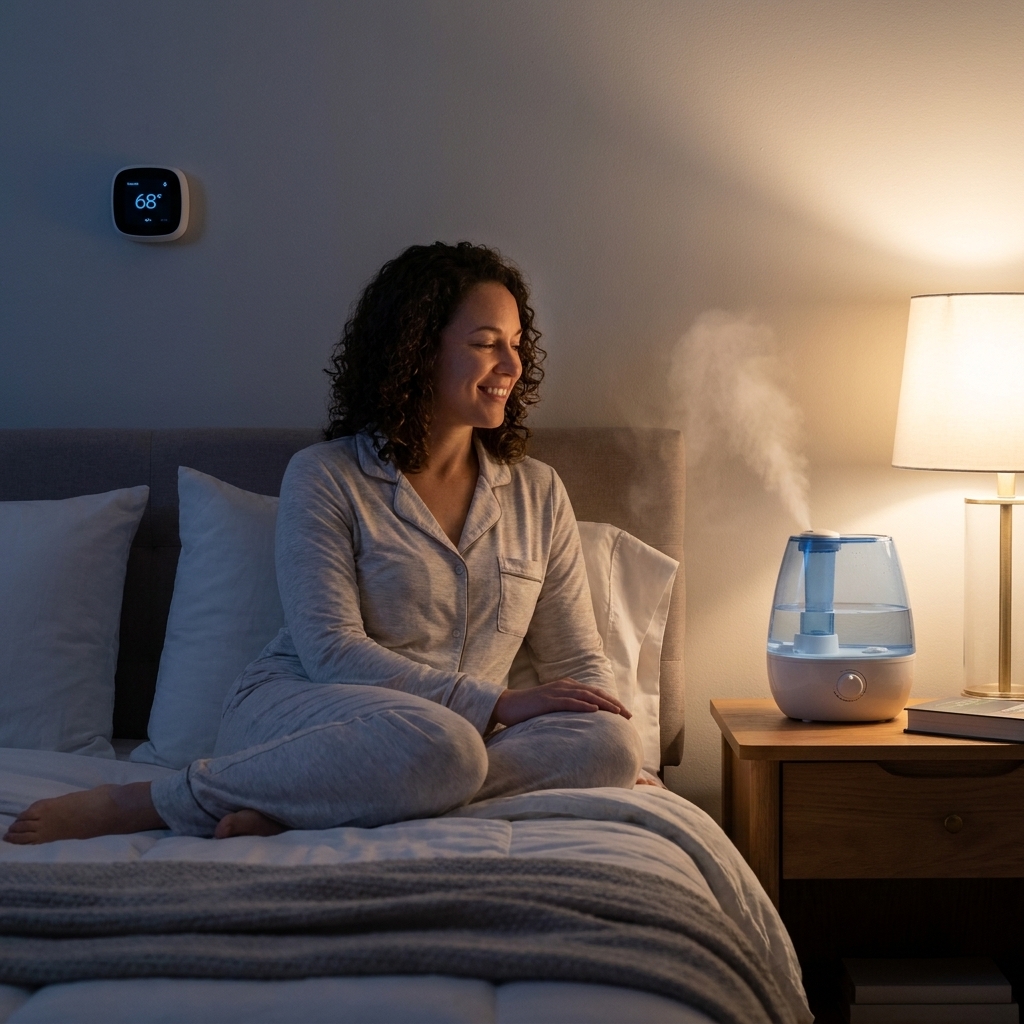
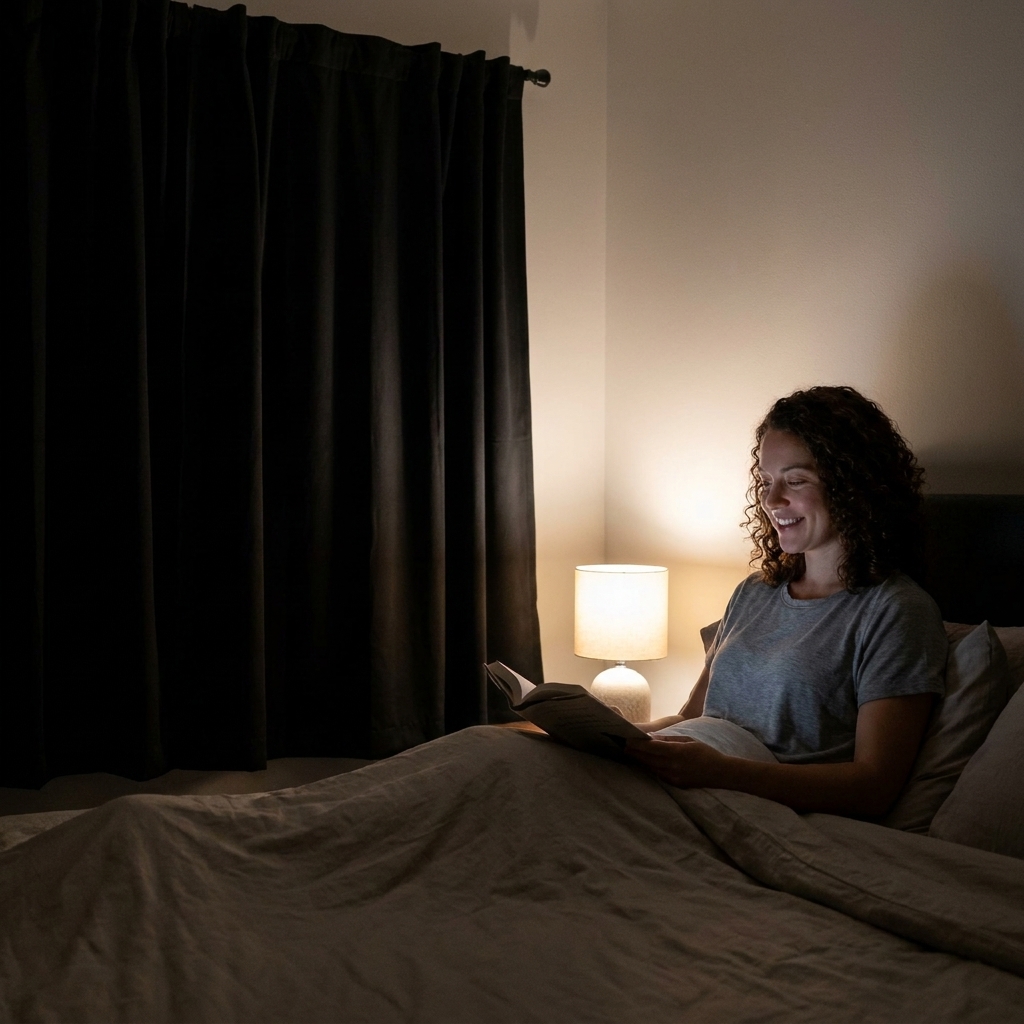
A step-by-step, research-driven bedtime routine you can personalize. Learn the key levers that help your brain and body transition into deeper, more consiste...
The Rest Pact
Updated October 18, 2026
Created October 18, 2026
Create a Zen Bedroom for Mindful Sleep

Maya Caldwell
Maya Caldwell is a certified sleep science coach and the lead researcher at RestPact. After overcoming years of chronic insomnia, she dedicated herself to making evidence-based sleep strategies accessible, helping others build bedtime routines that lead to deep, restorative rest.
I used to treat my bedroom like a storage unit with a mattress in the middle. Laundry piles, charging cords, half-finished to-do lists, a laptop that practically lived on my bed. Then I would lie there at night wondering why my brain would not power down.
A “zen” bedroom is not about owning the right aesthetic. It is about reducing cues of work and stress, softening sensory inputs, and making it easy to repeat a calming routine. In sleep science terms, you are strengthening the bed and bedroom as a consistent signal for sleep, and weakening the patterns that teach your brain to stay alert.

Start with the purpose
If you want a mindful sleep space, decide what the room is for. My recommendation is simple: sleep, intimacy, and quiet winding down. That is it.
This is not moralizing, and it does not have to be perfect. It is about conditioning. When you regularly work, scroll, argue, or problem-solve in bed, your brain learns that the bed is a place to be awake and vigilant. When you protect the bedroom’s purpose, you create a more reliable context cue for sleepiness.
A quick Zen test
- Does it help me sleep or wind down? Keep it visible.
- Is it neutral? Store it out of sight.
- Does it create stress or unfinished business? Remove it from the room if you can.
Declutter your nervous system
Visual clutter is not just an aesthetic issue. For many people, it is a cognitive load issue. Every pile can feel like a tiny open loop.
The 15-minute reset
Set a timer and do these in order:
- Clear the floor. Anything on the floor becomes a tripping hazard and, for many of us, a stress cue. Put items into a basket if you are short on time.
- Clear the landing zones. Nightstand, dresser top, and the chair that collects clothes. Aim for one functional item per surface.
- Make the bed. This is not about being tidy. It is about creating one calm visual anchor the moment you walk in.
Micro-storage that protects wind-down
- One lidded hamper. For many people, open baskets still visually read as clutter, even when they are “contained.”
- A small catch-all tray. Glasses, lip balm, hand cream, earplugs. A tray makes necessities feel intentional instead of scattered.
- Cable control. Use adhesive clips or a small bedside charging box so cords are not draped like vines.

Light
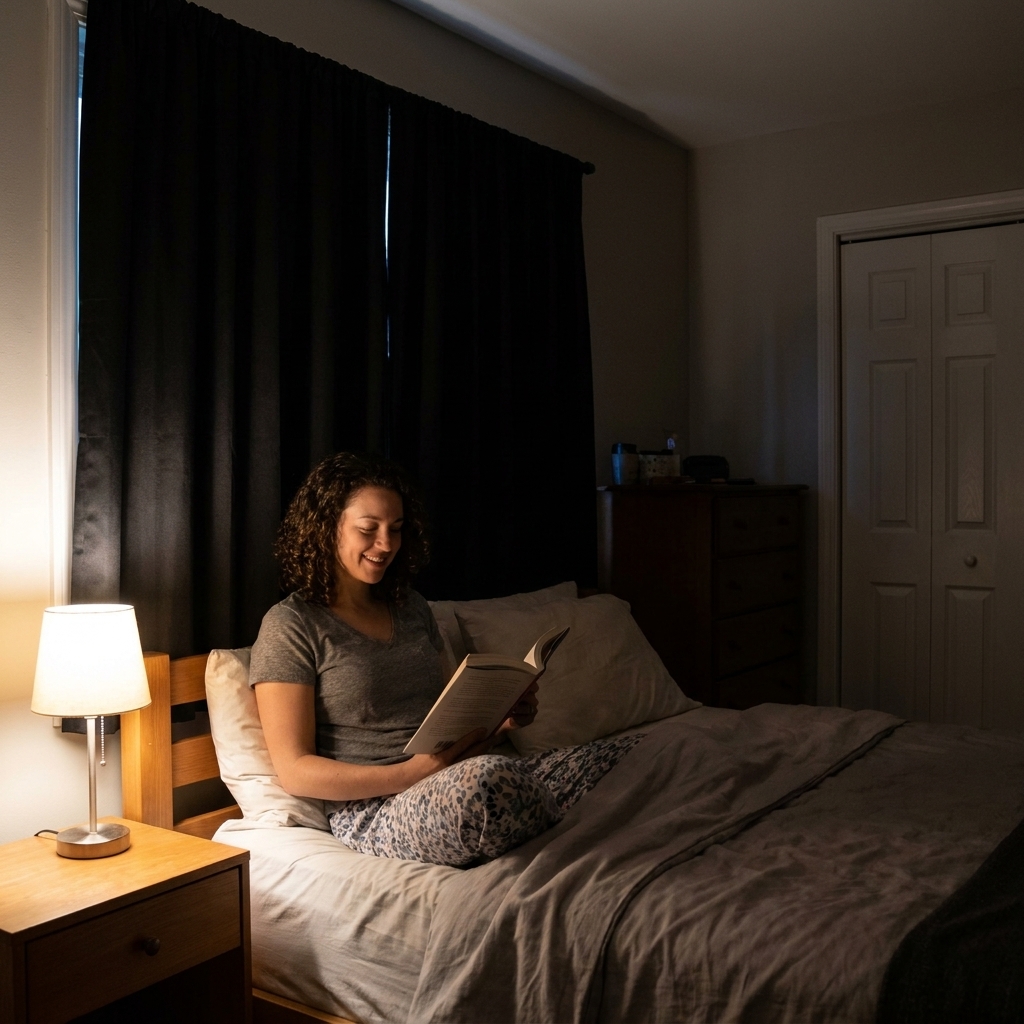
Light is one of your circadian system’s strongest environmental signals. Bright, blue-leaning light in the evening can delay sleepiness and suppress melatonin for some people, especially when it is close to bedtime.
Evening lighting that works
- Go warm and low 2 to 3 hours before bed. Choose warm bulbs and use lamps instead of overhead lights when possible.
- Keep light out at night. If streetlights leak in, blackout curtains or a quality sleep mask can make a dramatic difference.
- Use a low, amber night light if you need one. It is less likely to fully wake you up than flipping on bright lights during a bathroom trip.
Mindful cue: your wind-down lamp
Pick one bedside lamp. Turn it on at the start of your wind-down and keep overhead lights off. Over time, this becomes a gentle ritual cue: the day is ending, your body can soften.
Do not forget screens
If your phone is your biggest sleep thief, you are not alone. Screens combine bright light and stimulating content. Two simple moves that help a lot: set a consistent “screens off” time (even 30 minutes counts), and charge your phone across the room or outside the bedroom. If you must use it, dim it, use night mode, and keep content boring on purpose.
Sound
Even when you do not fully wake up, noise can fragment sleep, especially sudden or variable noise. And if you are already anxious or prone to insomnia, unpredictable sound can keep your brain in a light-alert mode.
Pick one sound strategy
- Best for city noise: A white noise machine or fan to mask peaks and dips.
- Best for sensitivity: Soft silicone earplugs, especially if you share a wall or have a snoring partner.
- Best for downshifting: Low-volume ambient sound you find genuinely soothing. Keep it consistent and not story-like or emotionally activating.
If you try white noise, give it a few nights. Many people need a short adjustment period before it feels comforting instead of “present.”
Temperature and bedding
Most people sleep best in a cool room with a comfortably warm bed. Your core body temperature naturally drops at night, and a too-warm environment can interfere with that process. If you like numbers, many sleep experts often cite something like 60 to 67°F (16 to 19°C) as a starting point, but your comfort matters most.
Small changes, big payoff
- Set the room cooler than you think. If you wake up hot, aim cooler and add a breathable layer on top so you can adjust.
- Use breathable bedding. Natural fibers and lighter weaves tend to trap less heat.
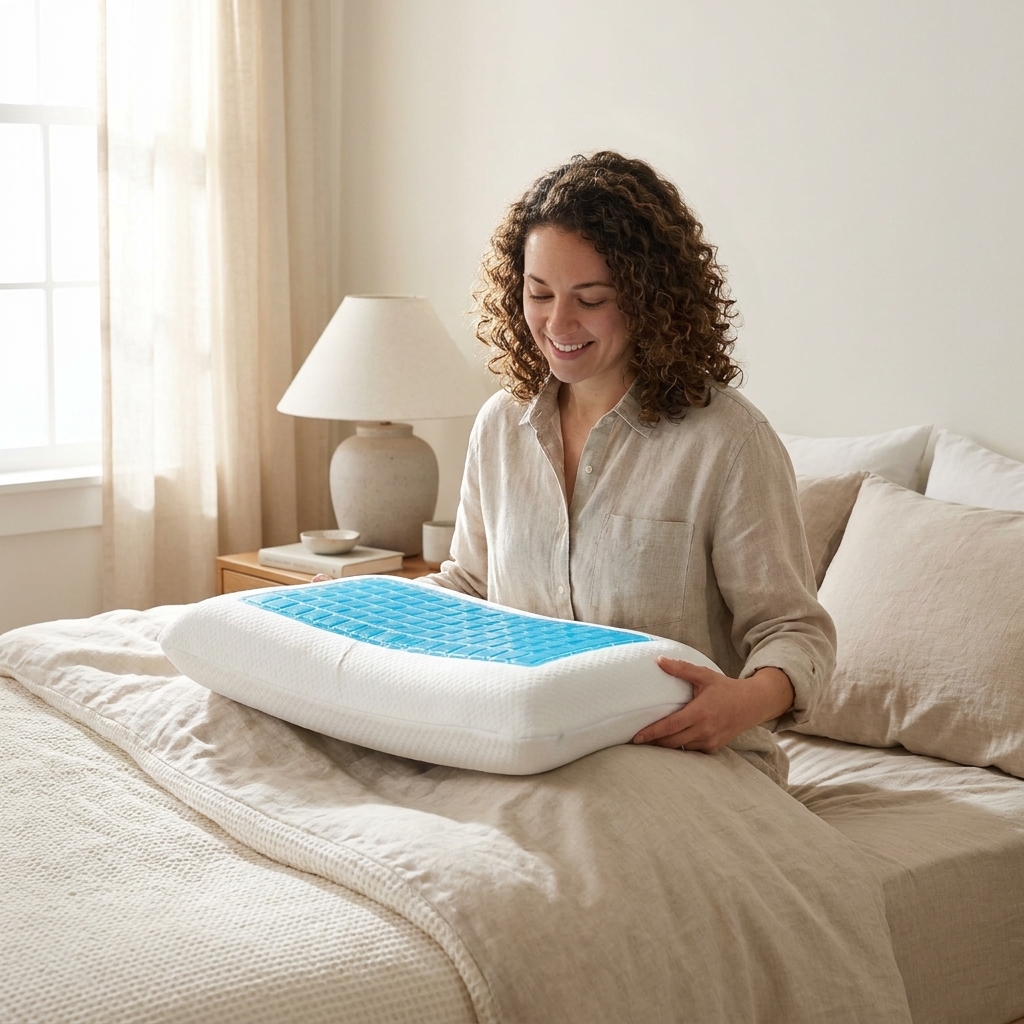
- Consider a cooling pillow. I have tried a lot of them, and the best ones are not “ice cold.” They simply stay neutral instead of warming up fast.
- Keep one extra layer folded at the foot of the bed. This prevents midnight scavenger hunts that fully wake you up.
Scent and air
Smell is powerful for memory and emotion. It can be a beautiful mindfulness anchor, but it can also become a headache trigger or a nasal irritant if it is too strong.
A calmer approach to scent
- Choose one gentle scent family. Many people find lavender-like or chamomile-like aromas calming, but your preference matters most.
- Keep it light. You should notice it when you first walk in, then it should fade into the background.
- Prioritize air quality. Clean sheets, good ventilation, and a dust-minimizing routine often do more for sleep comfort than any fragrance.
If you have asthma, migraines, or allergies, skip added fragrance and focus on fresh air and clean bedding instead.
A landing strip for your brain
One of the biggest barriers to sleep is unfinished mental business. The goal is not to force your thoughts away. It is to give them a container so they do not have to pace the room at 1:00 a.m.
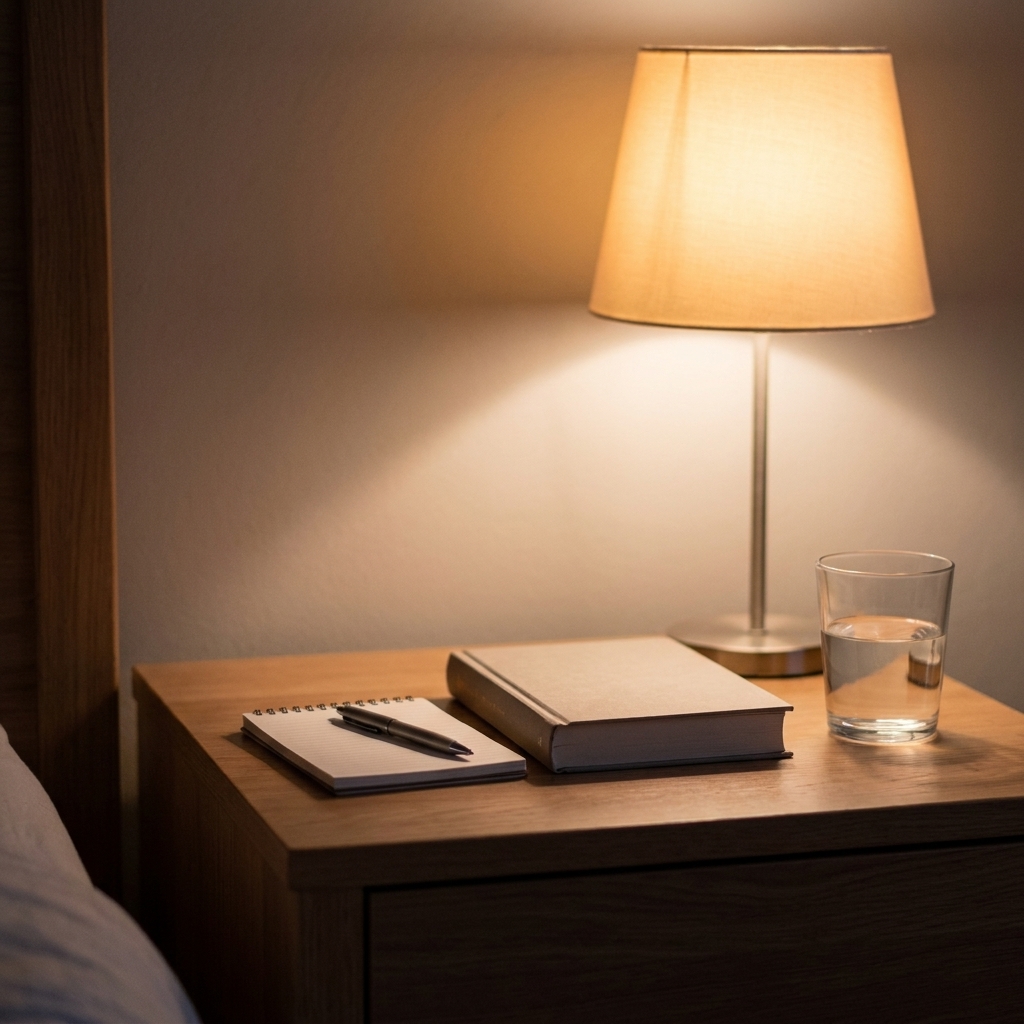
A simple nightstand setup
- A book or magazine you enjoy (not emotionally intense, not work-related)
- A pen and small notepad for a quick brain dump
- Water so you are not walking to the kitchen
- Optional: hand cream, lip balm, or a small grounding object like a smooth stone
Keep work materials and to-do lists out of sight. If you must charge your phone in the bedroom, place it face down and out of arm’s reach to reduce automatic checking.
Make the bed feel safe
Mindful sleep thrives on consistency. The more reliably your bed signals “this is where we rest,” the less effort it takes to fall asleep.
Two rules that help most people
- Keep the bed for sleep and intimacy. If you love reading in bed and it does not disrupt your sleep, that can still fit. Keep it calm and predictable.
- If you cannot sleep, change the scene briefly. If you are wide awake for what feels like a long time, get up and do something quiet in dim light until you feel sleepy again. This helps protect the bed-sleep association.
If you are dealing with chronic insomnia, this principle is part of the evidence-based approach known as stimulus control therapy.
A 20-minute nightly reset
This is a routine you can do even on a weeknight when you are exhausted.
- 2 minutes: Put stray items in a basket. Clear surfaces.
- 3 minutes: Set tomorrow’s clothes or essentials outside the bedroom if possible.
- 2 minutes: Dim lights, turn on your wind-down lamp.
- 5 minutes: Gentle tidy of the bed: straighten sheets, fluff pillow, fold throw.
- 5 minutes: Night routine with lighting kept dim where safe, especially for anything that needs precision.
- 3 minutes: Brain dump: “Tomorrow list” plus one sentence of reassurance (example: “I have a plan. Tonight is for rest.”).
If you only do one step, do the lighting. It is the fastest way to change how the room feels and how your body interprets time of day.
Troubleshooting
“My partner likes the TV on.”
Television is stimulating for many brains because it combines light, story, and unpredictable sound. If compromise is needed, consider a sleep timer, lower volume, warmer screen settings, and positioning the screen so it is not directly in your line of sight. Another option is audio-only content at low volume, ideally something familiar and not suspenseful.
“My bedroom is my office.”
You are not failing. Create a boundary ritual. Close the laptop, cover it, or place it in a drawer at a consistent time. Even throwing a simple cloth over your work setup can reduce the visual cue of unfinished tasks. If possible, keep your desk facing away from the bed.
“My room is tidy but I still feel restless.”
Then the lever is usually sensory or routine. Try: darker room, quieter room, cooler room, and a simpler pre-sleep ritual. Also consider whether stress is showing up as body tension. A brief breathing practice or progressive muscle relaxation in bed can help.
“I wake up a lot at night.”
Double-check safety and accessibility. Keep pathways clear, consider a dim night light to prevent falls, and keep essentials (water, tissues, medications you use at night) in one predictable place. If kids or pets disrupt sleep, consider a consistent bedtime routine for them too, plus a white noise buffer if it helps.
A gentle reminder
You do not need to create a magazine-worthy sanctuary to sleep well. You need a space that tells your nervous system, night after night, “You are safe. Nothing is required of you right now.”
Start with one change tonight. My vote is: clear the nightstand, dim the lights, and make your bed feel like the simplest, softest place to land. Then let repetition do the heavy lifting.
If sleep has been consistently hard for months, or you are relying on alcohol or sedatives to get through the night, it may be worth talking with a clinician. CBT-I (cognitive behavioral therapy for insomnia) is a well-supported option, and you deserve help that actually works.
Mindful sleep mantra: A calmer room makes it easier for a calmer mind to show up. You are not forcing sleep. You are setting the conditions where sleep is more likely to arrive.