Use a simple daily cutoff timeline to reduce sleep fragmentation and night sweats. Get practical caffeine and alcohol stop times, a gentle taper plan, and ea...
The Rest Pact
Updated October 18, 2026
Created October 18, 2026
Best Foods and Drinks for Sleep

Maya Caldwell
Maya Caldwell is a certified sleep science coach and the lead researcher at RestPact. After overcoming years of chronic insomnia, she dedicated herself to making evidence-based sleep strategies accessible, helping others build bedtime routines that lead to deep, restorative rest.
For years, my “bedtime snack” was basically stress and leftover coffee. I do not recommend it. What I do recommend is using food and drink strategically: not as a magic off switch, but as a gentle nudge for your biology. The best pre-bed choices support relaxation, stable blood sugar, and the natural rise of melatonin and sleep pressure (the built-up need for sleep).
Below is an evidence-informed list of foods and beverages that can help, with simple portion and timing guidance so you can actually use this tonight. Food is supportive, not a stand-alone treatment for chronic insomnia. If sleep has been consistently rough for weeks or months, it is worth checking in with a clinician to look for issues like reflux, iron deficiency, anxiety, or sleep apnea.
How food can support sleep
Sleep is regulated by a mix of circadian timing, sleep pressure, and a nervous system that feels safe enough to power down. Food affects all three, mainly through:
- Magnesium: supports muscle relaxation and healthy nervous system signaling. Low magnesium status is associated with poorer sleep, and supplementation can improve sleep in some groups. Food sources are a practical first step.
- Tryptophan: an amino acid used to make serotonin and melatonin. Tryptophan-rich foods can be more helpful when paired with carbohydrates, which may help more tryptophan reach the brain.
- Melatonin-containing foods: some foods contain small amounts of melatonin and related compounds, which may modestly influence sleep timing or quality for some people.
- Blood sugar stability: very large, very sugary, or very alcohol-heavy evenings can lead to more awakenings and lighter sleep.
The goal is not a huge meal. It is a small, calming, digestion-friendly option about 30 to 90 minutes before bed, or a slightly bigger snack 1 to 2 hours before.
The best foods for sleep
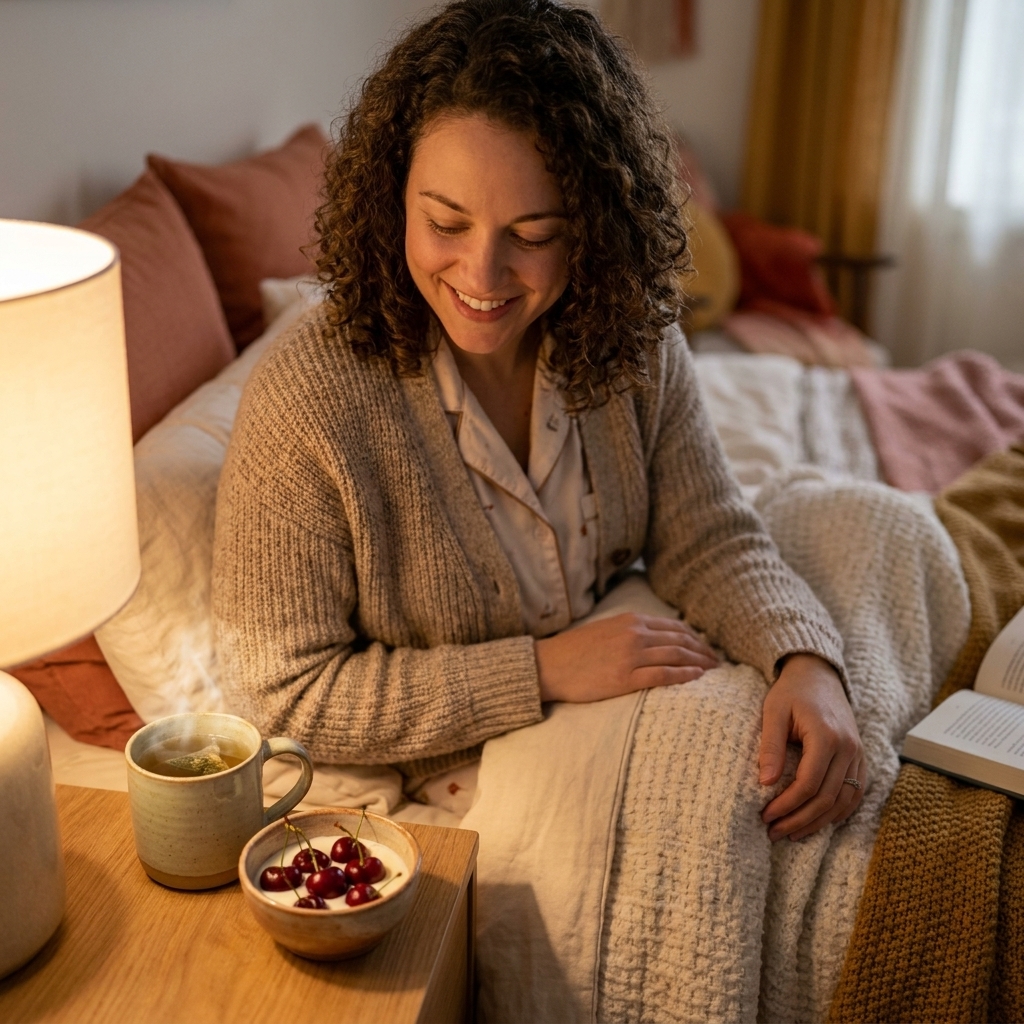
1) Tart cherries (or tart cherry juice)
Tart cherries contain melatonin and polyphenols. In some small studies, tart cherry products are associated with modest improvements in sleep duration and quality, though results are mixed and not everyone notices a difference.
- How to use: A small bowl of tart cherries, or tart cherry juice.
- Amount: About 1/2 to 1 cup cherries, or 4 to 8 oz juice.
- Timing: 1 to 2 hours before bed tends to be the most comfortable for digestion.
- Best for: People who struggle with short sleep or frequent wake-ups.
- Watch-outs: If you have reflux or blood sugar concerns (including diabetes), start with a smaller serving, choose unsweetened when possible, and consider pairing with protein like yogurt.

2) Kiwi
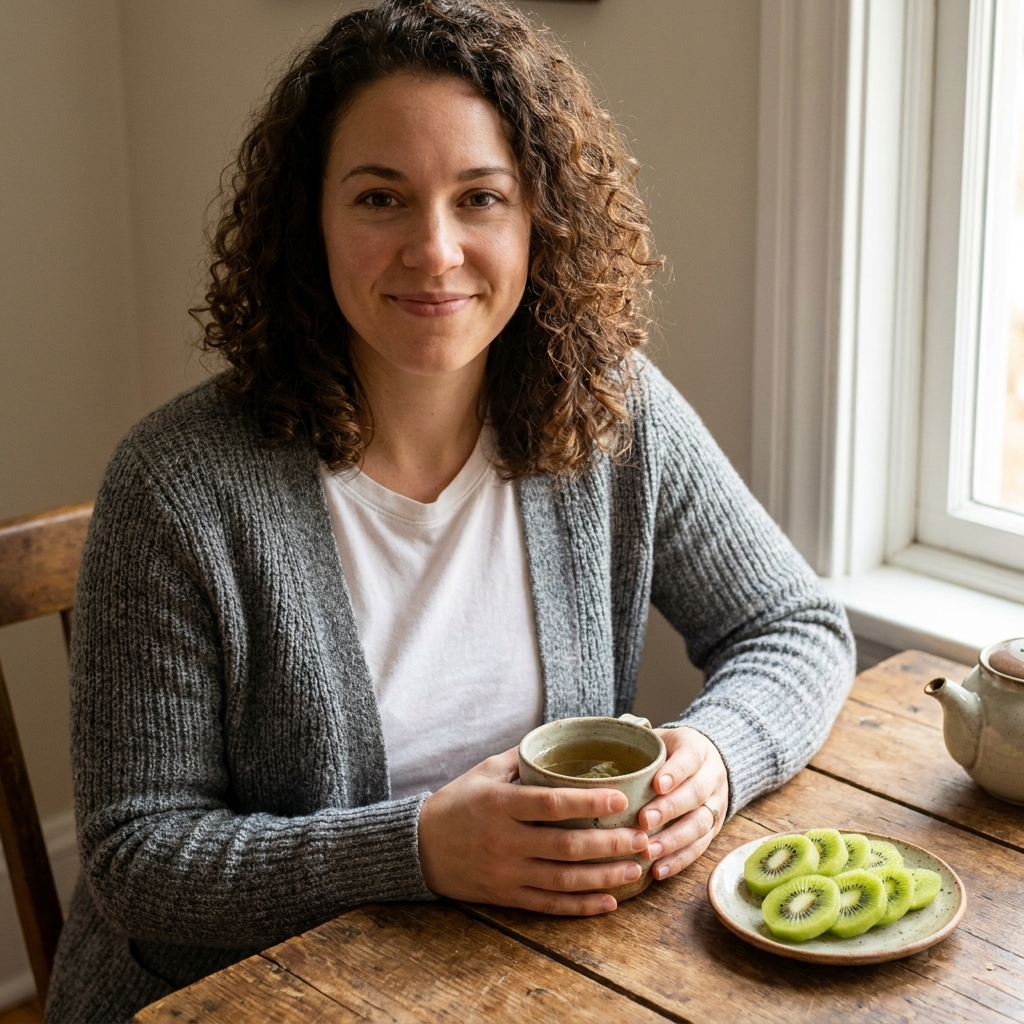
Kiwi is one of the simplest pre-bed foods that has shown sleep benefits in small studies, often using two kiwis about an hour before bed. It is also light enough that it rarely causes that heavy, overfull feeling that sabotages bedtime.
- How to use: 1 to 2 kiwis as a snack.
- Timing: About 1 hour before bed.
- Best for: People who want a very simple, low-effort habit.
- Watch-outs: Skip if kiwi triggers oral allergy symptoms for you.
3) Pumpkin seeds
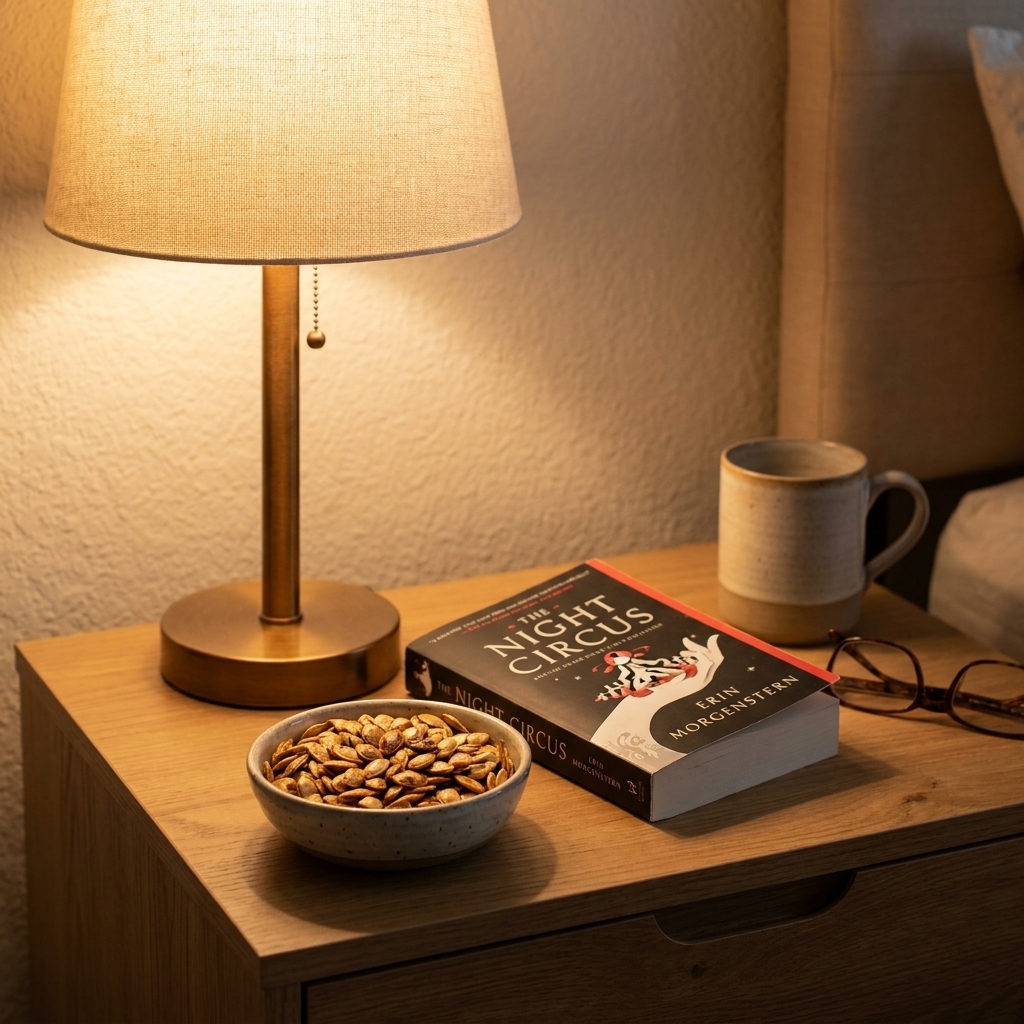
Pumpkin seeds are a strong whole-food source of magnesium, plus they contain tryptophan and zinc. They are a “small but mighty” sleep snack because you do not need much.
- How to use: A small handful of pumpkin seeds, or sprinkled on yogurt.
- Amount: About 1 to 2 tablespoons.
- Timing: 30 to 90 minutes before bed.
- Tip: Choose lightly salted or unsalted if you are sensitive to nighttime thirst.
4) Greek yogurt (especially with fruit)
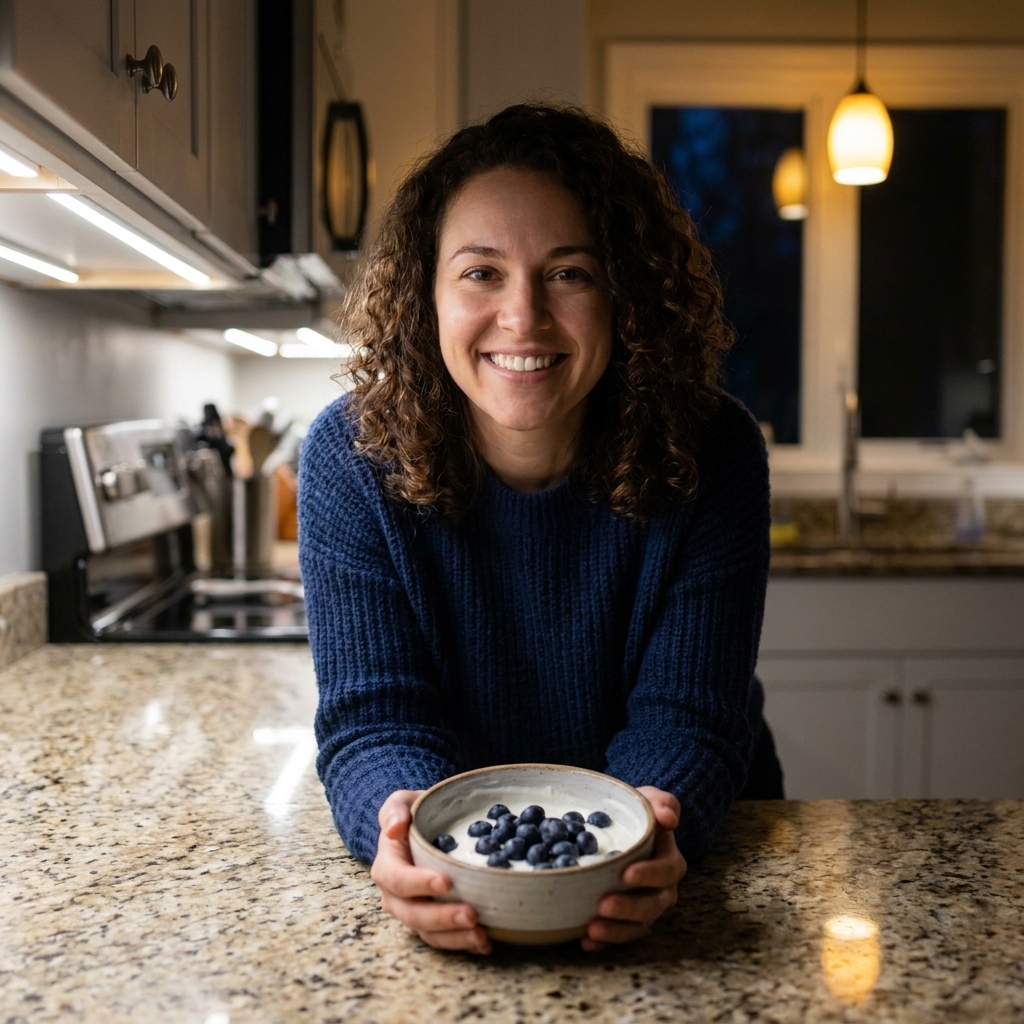
Yogurt provides protein and calcium. Calcium is involved in sleep-related neurochemistry, and a small protein-forward snack can reduce the chance you wake up hungry at 3 a.m.
- How to use: Plain Greek yogurt topped with kiwi, berries, or tart cherries.
- Amount: About 1/2 to 1 cup.
- Timing: 60 to 90 minutes before bed.
- Watch-outs: If dairy bothers your stomach, swap for lactose-free yogurt or kefir, or try a non-dairy yogurt with added protein.
5) Oats
Oats offer complex carbohydrates and meaningful minerals like magnesium. Trace amounts of melatonin have been detected in some grains, but the bigger sleep win here is steadier energy and the calming ritual of a warm bowl.
- How to use: A small bowl of oatmeal made with milk or soy milk, topped with banana slices or pumpkin seeds.
- Amount: About 1/3 to 1/2 cup dry oats (cooked).
- Timing: 1 to 2 hours before bed if it is a larger portion, closer if it is small.
- Best for: People who wake up hungry or feel wired when they go to bed on an empty stomach.
6) Banana (especially with nut or seed butter)
Bananas provide potassium and magnesium, and pairing them with a little fat and protein can help steady blood sugar overnight. Think of this as a “calm energy” snack, not a sugar hit.
- How to use: Half a banana with 1 tablespoon of almond butter or peanut butter.
- Allergy swap: Use sunflower seed butter or tahini if nuts are not an option.
- Timing: 30 to 60 minutes before bed.
7) Salmon (at dinner, not as a midnight snack)
Fatty fish provides omega-3s and vitamin D, both of which are being studied for their relationship with sleep regulation. This is more of a “set yourself up for a better night” dinner choice than a last-minute fix.
- How to use: Salmon at dinner with rice or potatoes and a cooked vegetable.
- Timing: Ideally 2 to 4 hours before bed so digestion does not compete with sleep.
The best drinks for sleep
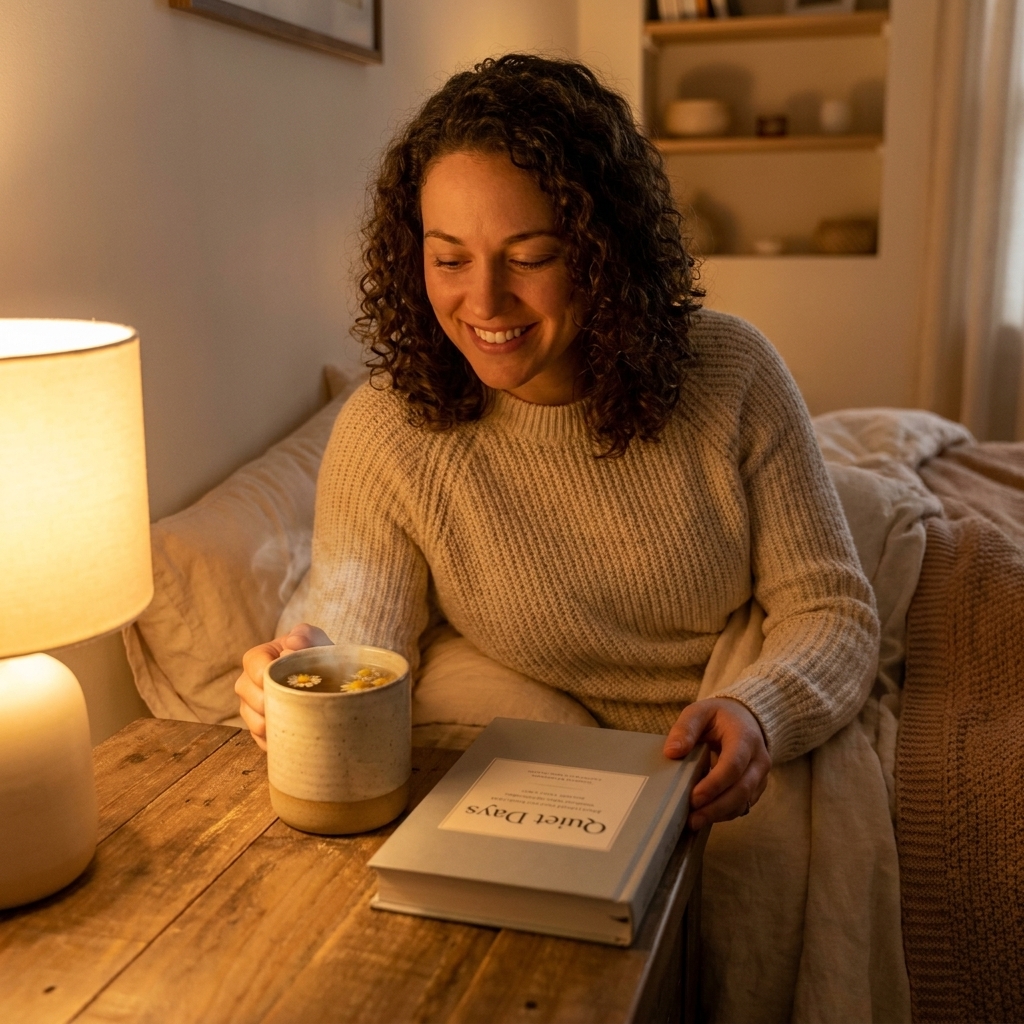
1) Chamomile tea
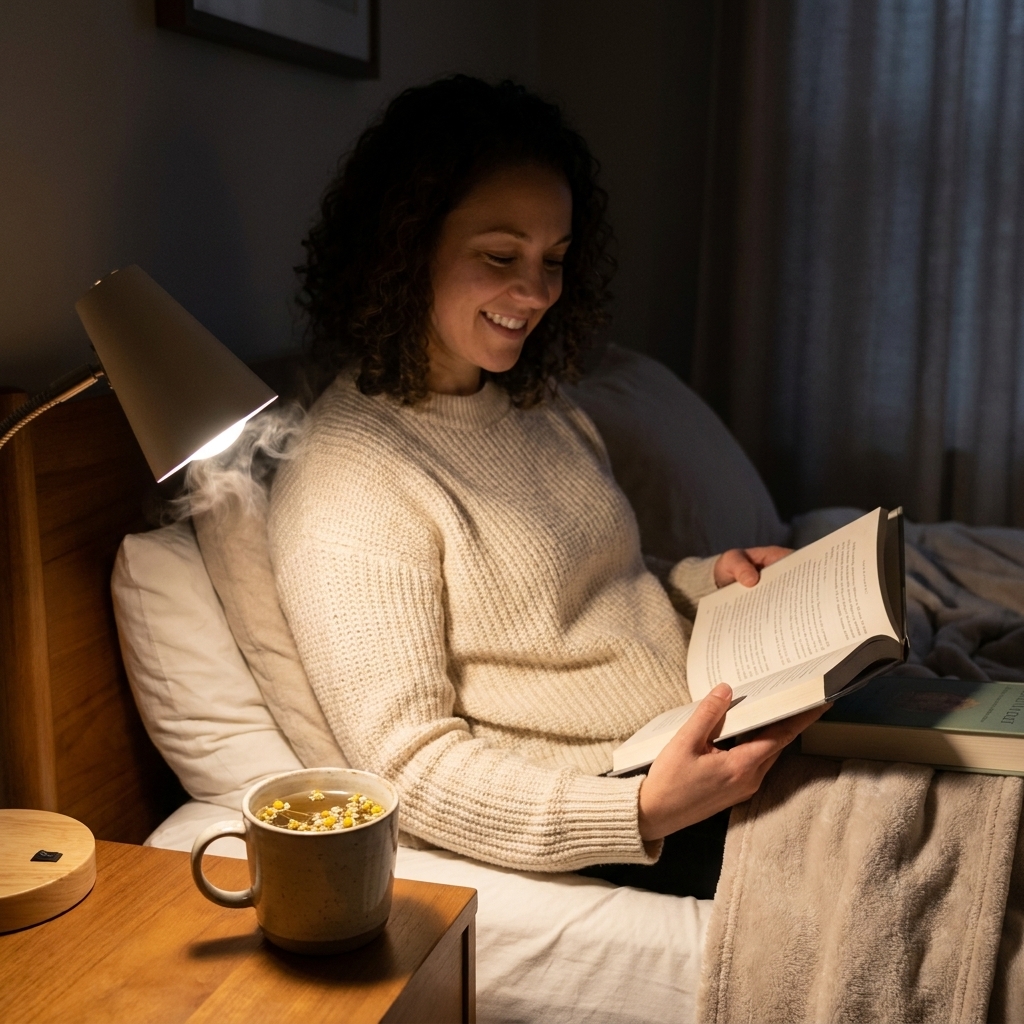
This one is classic for a reason. Chamomile contains apigenin, a compound that may promote calm in the nervous system. The evidence is not “knockout strong,” but it is solid enough to be worth trying, and it is gentle for many people.
- How to use: One warm mug, plain.
- Timing: 30 to 60 minutes before bed.
- Tip: If you wake up to pee easily, stop liquids 30 to 45 minutes before lights out.
- Watch-outs: If you are allergic to ragweed or related plants, chamomile can be a problem for some people.
2) Warm milk or fortified soy milk
Warm milk is not just nostalgia. Dairy contains tryptophan, and the ritual of a warm drink can cue relaxation. If dairy is not your friend, soy milk can be a good alternative, especially if it is fortified with calcium and vitamin D.
- How to use: A small mug, warmed, not scalding.
- Amount: About 6 to 8 oz.
- Timing: 45 to 90 minutes before bed.
3) Tart cherry juice
If you are choosing between “tart cherry the food” and “tart cherry the drink,” pick the version your stomach tolerates best. Juice is simply an easy delivery method, and the effects (when they show up) tend to be modest.
- How to use: A small glass.
- Amount: About 4 to 8 oz.
- Timing: 1 to 2 hours before bed.
- Watch-outs: If you have reflux or blood sugar sensitivity, start smaller or pair with protein like yogurt.
4) Lemon balm or passionflower tea
These herbal teas have some evidence for supporting relaxation and sleep quality, especially for mild, stressy, mind-racing evenings. Evidence quality varies, so think of them as a gentle experiment, not a guarantee.
- How to use: One mug steeped well.
- Timing: 30 to 60 minutes before bed.
- Safety note: If you are pregnant, breastfeeding, or taking sedatives, anti-anxiety medications, or other sleep aids, check with a clinician before using calming herbs. Stop if you feel groggy the next day.
5) Water, earlier in the evening
This sounds too simple, but dehydration can disrupt sleep for some people, and so can drinking a large amount right before bed. The sleep-friendly move is front-loading hydration earlier, then tapering.
- How to use: Drink most fluids with dinner and in the early evening.
- Timing: Reduce intake in the last 60 minutes before bed if nighttime bathroom trips are an issue.
Simple sleep snack formulas
If decision fatigue hits hard at night, use a formula. These are designed to be light, calming, and biologically sensible.
- Tryptophan + carbs: Greek yogurt + oats, or whole grain toast + nut or seed butter
- Magnesium boost: Pumpkin seeds + banana, or yogurt + pumpkin seeds
- Melatonin-containing fruit: Tart cherries or kiwi, optionally paired with yogurt
- Warm and soothing: Chamomile tea + small bowl of oatmeal
Keep portions small. You should feel satisfied, not stuffed. If you routinely need a large snack to sleep, that is a clue to look at dinner timing, protein intake, stress load, or reflux.
What to avoid before bed
I am not here to take away your joy, but these are the common sleep thieves I see again and again.
- Caffeine too late: Caffeine can linger for hours. If you are sensitive, even early afternoon coffee can impact sleep onset and deep sleep.
- Alcohol as a “sleep aid”: Alcohol may make you sleepy at first, but it tends to fragment sleep later in the night and can worsen snoring and sleep apnea.
- Large, high-fat meals right before bed: Heavy digestion and reflux are not relaxing.
- Very spicy or acidic foods late: Common reflux triggers that can cause micro-awakenings.
- Sugary desserts alone: For some people, a blood sugar spike and dip leads to more wake-ups. If you want something sweet, pair it with protein or fat and keep it small.
Timing tips that matter
- Best window for a small snack: 30 to 90 minutes before bed.
- Best window for a bigger snack or late dinner: Aim for 2 to 4 hours before bed when possible.
- If you wake up at 3 a.m. hungry: Add more protein, fiber, and healthy fats at dinner, or add a small protein-forward bedtime snack like yogurt.
- If you wake up to pee: Taper liquids in the last hour before bed and keep the bedtime snack more solid than liquid.
- If reflux is your issue: Eat earlier, keep bedtime food smaller, limit spicy and acidic triggers, and consider elevating the head of your bed if your clinician recommends it.
FAQ
Does magnesium-rich food work as well as a supplement?
It depends on your baseline intake and needs. Whole foods are a great foundation and come with other nutrients that support sleep and overall health. Supplements can be useful in some cases, but if you are considering higher-dose magnesium, talk with a clinician, especially if you have kidney disease or take medications that interact.
What is the best thing to eat right before bed?
If “right before bed” means within 30 minutes, keep it very small and easy to digest: a few spoonfuls of yogurt, one kiwi, or 1 tablespoon of pumpkin seeds. If you are prone to reflux, give yourself more time.
Will carbs at night ruin sleep or weight goals?
Carbs at night are not automatically a problem. For some people, a small amount of complex carbohydrates at night makes them feel calmer and sleepier. One proposed mechanism is supporting tryptophan transport and taking the edge off stress hormones, but responses vary. The key is portion size and your overall dietary pattern.
Is it bad to go to bed hungry?
For many people, yes. Hunger is an alerting signal. If you are lying awake thinking about food, a small snack can be more sleep-promoting than trying to power through.
A gentle way to test what works
Sleep nutrition is personal. Instead of changing ten things at once, run a simple 7-night experiment:
- Nights 1 to 3: Add one option (kiwi or tart cherries) 60 to 90 minutes before bed.
- Nights 4 to 7: Try a magnesium-forward snack (pumpkin seeds, oats, yogurt) at the same time.
Track two things only: how long it takes to fall asleep, and how often you wake up. If you see a clear improvement, keep the habit. If you do not, that is not a failure. It just means your sleep bottleneck is probably timing, light exposure, stress, or a medical issue like reflux or sleep apnea.
If you want the simplest place to start tonight: brew chamomile tea, eat a kiwi, and dim the lights. In my experience, consistency beats perfection, every time.