
Reset your circadian rhythm in one week with a gentle, evidence-based protocol: light, timing, movement, naps, caffeine cutoffs, and a wind-down that actuall...
The Rest Pact
Updated October 18, 2026
Created October 18, 2026
Reset Your Sleep Schedule After Vacation

Maya Caldwell
Maya Caldwell is a certified sleep science coach and the lead researcher at RestPact. After overcoming years of chronic insomnia, she dedicated herself to making evidence-based sleep strategies accessible, helping others build bedtime routines that lead to deep, restorative rest.
The post-vacation sleep hangover is real. You get home, your suitcase is half-unpacked, and suddenly you are wide awake at the exact hour you used to be asleep. As a former chronically sleep-deprived project manager (hi, 4-hour nights and too much coffee), I know how tempting it is to panic and try to force sleep back into place.
Instead, think of your sleep schedule like a compass, not a switch. Your body clock (your circadian rhythm) tends to re-align fastest when you give it clear, repeated time cues: light, wake time, movement, meals, and a consistent wind-down.
This guide will help you reset quickly whether you traveled across time zones, stayed up late on a staycation, or just drifted into “vacation mode.”

Why your sleep is off after vacation
Your circadian rhythm is a 24-ish hour timing system that helps coordinate alertness, body temperature, digestion, and the hormone signals that make sleep possible. Vacation disrupts the cues it relies on.
- Light shifts: Different sunrise times, more evening light, or screens late at night can delay your internal clock.
- Social jet lag: Sleeping in and staying up late shifts your schedule even without travel.
- Time zone changes: Your internal clock is still “home” for a while, especially after long flights.
- Alcohol and heavy dinners: Common on vacation, both can fragment sleep and change timing.
- Activity changes: You might walk a ton, or you might lounge more. Either way, your normal rhythm cues change.
The good news: most healthy circadian systems respond well to a few days of consistent, well-timed cues.
The fastest reset: one anchor
If you only do one thing, make it this: keep a consistent wake time for at least 3 to 7 days, including the weekend. Wake time is the anchor that makes everything else easier to place.
Here is why I love wake time as the anchor: you can control it even on a rough night. Trying to “make” yourself fall asleep is unreliable and stressful. Waking at a set time, then using light and activity to build sleep drive, works much better.
RestPact rule: Your wake time sets your clock. Your bedtime follows your clock.
Light is your steering wheel
Light is the strongest cue for circadian timing. The timing matters more than perfection.
If you need to fall asleep earlier
- Get bright light soon after waking for 10 to 30 minutes. Outdoor light is ideal, even on cloudy days. In winter or at higher latitudes, you may need longer exposure.
- Dim light 2 to 3 hours before bed. Lower overhead lights and switch to warm lamps.
- Reduce screen brightness at night and use night mode. Better yet, set a “screens off” time.
If you keep waking too early
- Avoid very bright light immediately after waking if you can. Keep mornings gently lit for the first hour, especially if you are already waking earlier than you want.
- Get more light in the late afternoon and early evening, then dim later.
Most post-vacation problems are “delayed” schedules (late nights, late mornings). For that pattern, morning light plus evening dimness is your best combo.

Meals and caffeine as time cues
Your digestive system is also rhythmic. Regular timing helps your brain-clock line up faster.
Meals
- Eat breakfast within 1 hour of waking (even if it is small). This reinforces “daytime.”
- Keep dinner earlier if you are trying to shift earlier. Aim to finish 3 hours before bed when you can.
- Go lighter at night for a few days: less spice, less fat, fewer giant portions.
Caffeine
- Optional experiment: try delaying caffeine 60 to 90 minutes after waking. Some people feel a smoother alertness curve, but this is not a requirement for fixing your schedule.
- Set a caffeine cutoff 8 to 10 hours before bed (earlier if you are sensitive). If your bedtime is 10 p.m., consider stopping by noon to 2 p.m.
- Watch hidden caffeine in tea, chocolate, and pre-workout drinks.

Naps: helpful or harmful?
Naps can be a lifesaver after travel, but timing matters.
- Best nap: 10 to 20 minutes, early afternoon.
- Avoid: late-day naps, especially after 3 p.m., if you are trying to fall asleep earlier.
- If you are desperate: try a longer nap of about 90 minutes (roughly one full sleep cycle for many people), earlier in the day. Then protect your bedtime with dim light and a strong wind-down.
If you are jet-lagged and truly underslept, a short nap can prevent a “second wind” at night from sheer exhaustion. Keep it short and not too late.
Melatonin: when it helps
Melatonin is a timing signal more than a knockout pill. For shifting your schedule, small doses often make more sense than high doses.
- For shifting earlier: consider a low dose (often 0.3 mg to 1 mg) taken about 2 to 4 hours before your target bedtime for a few nights. Timing is the point, and it can be individualized.
- Avoid taking it at random late-night hours if your goal is circadian alignment. The timing matters more than the dose.
- Talk to a clinician or pharmacist first if you are pregnant or breastfeeding, have a seizure disorder, have an autoimmune condition, have a mood disorder (especially bipolar disorder), or take medications that may interact.
- Buy wisely: supplements can vary a lot in actual content compared to the label, so choose a reputable brand when you can.
If you try melatonin and feel groggy or get vivid dreams, reduce the dose or stop. More is not always better.
Your 72-hour reset plan
If you feel wrecked, start here. This plan is designed for the most common post-vacation scenario: you are going to bed and waking up later than you want.
Think of it as a simple sequence: fixed wake time, then morning light, then daytime movement and meals, then dim evenings. Repeat for a few days.
Day 1
- Wake time: set it, and get up at that time no matter what.
- Light: 10 to 30 minutes outside soon after waking.
- Movement: a short walk or gentle workout before noon.
- Naps: only if needed, 10 to 20 minutes before 2 p.m.
- Evening: dim lights 2 to 3 hours before bed. If you are significantly sleep-deprived, an earlier bedtime is fine. Just avoid going to bed hours earlier than your sleepiness.
Day 2
- Repeat wake time and morning light.
- Meals: breakfast within 1 hour of waking, dinner 3 hours before bed.
- Caffeine: stop 8 to 10 hours before bed.
- Wind-down: 30 to 60 minutes. Think: shower, reading, stretching, calm music.
Day 3
- Keep the same wake time again. This is when many people start to notice improvement.
- Make bedtime consistent within a 30 to 60 minute window.
- Get outside again in the morning and take a quick daylight break mid-day.
Most people feel noticeably better by night three if they keep wake time and morning light steady. If you crossed many time zones, you may need closer to a week.
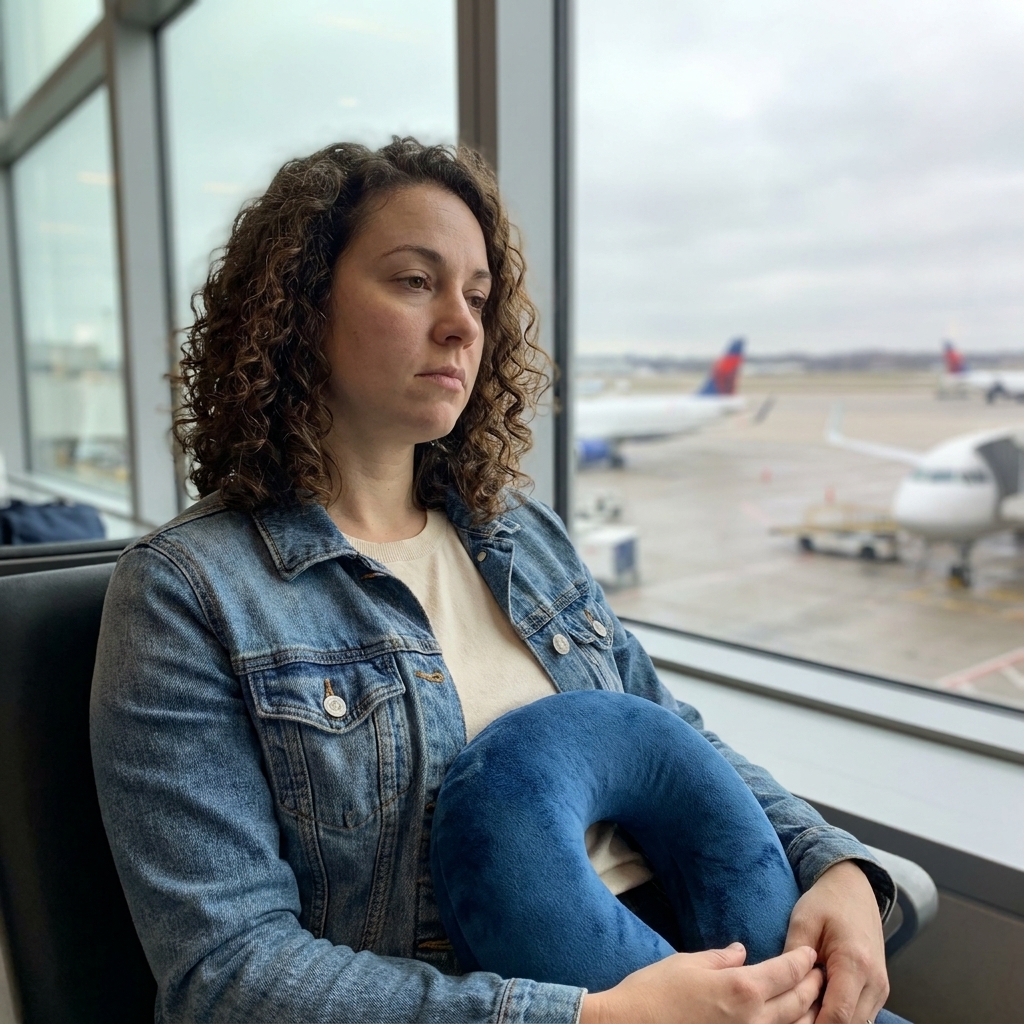
Jet lag: travel smarter
Jet lag is circadian misalignment plus travel fatigue. Your strategy depends on whether you traveled east (often harder) or west (often easier).
Eastward travel (shift earlier)
- Prioritize morning light on your destination or home schedule.
- Protect your evenings from bright light.
- Use earlier meals and earlier activity.
Westward travel (shift later)
- Get light later in the day and avoid very early morning bright light for the first day or two if possible.
- Let bedtime drift later briefly while you move it back in place gradually.
Rule of thumb: many people shift on the order of about an hour per day, often a little faster westward than eastward. It varies widely person to person, and your light exposure can speed it up or slow it down.
Common mistakes
- Sleeping in to “catch up” after a bad night. It feels kind, but it often prolongs the mismatch.
- Going to bed too early when you are not sleepy. This can teach your brain that bed equals tossing and turning.
- Bright light at night from overhead LEDs or scrolling in bed.
- Late alcohol to “make yourself sleep.” It often increases awakenings and early-morning wake-ups.
- Checking the clock repeatedly. It spikes arousal and makes insomnia stickier.
A gentle bedtime routine
You do not need a perfect routine. You need a repeatable one. Here is a simple sequence I use personally when I am re-entering real life.
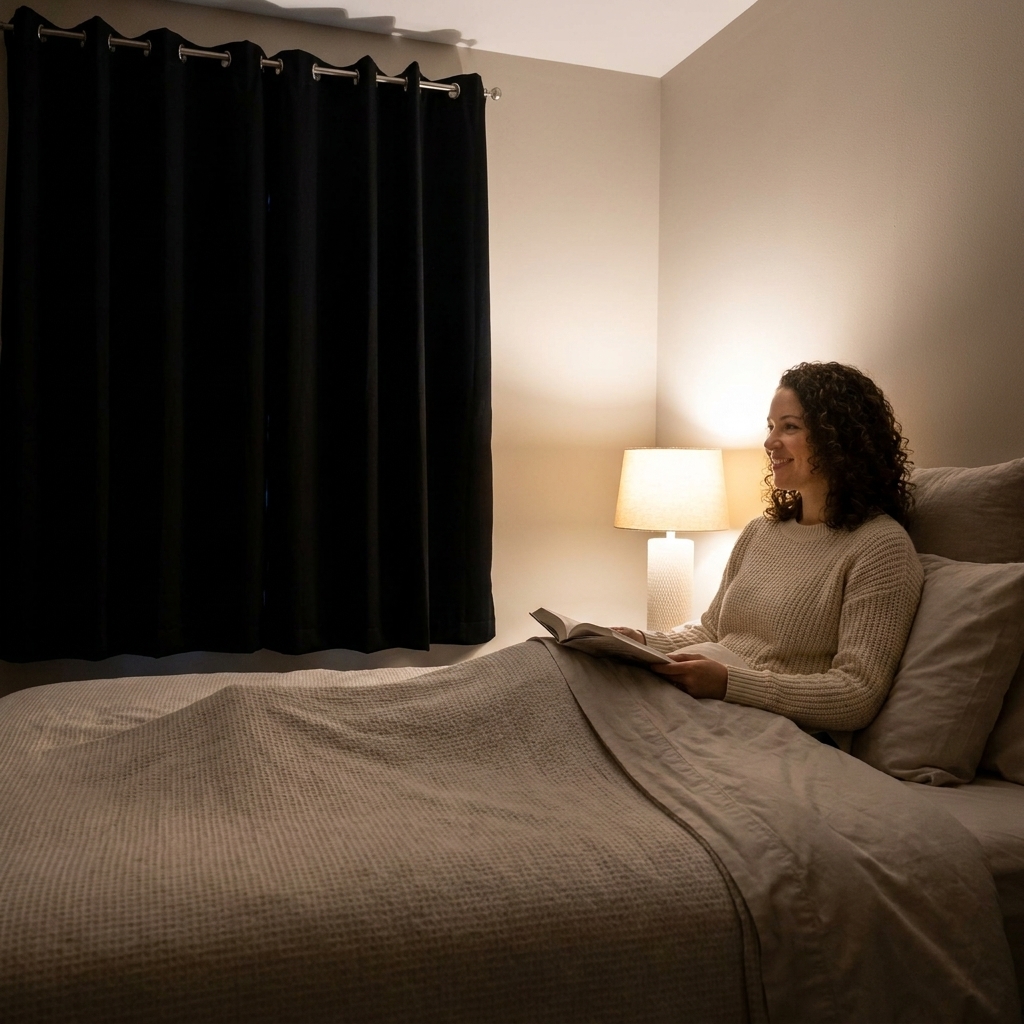
- 90 minutes before bed: dim the house, switch to lamps, set out clothes for tomorrow.
- 60 minutes before bed: screens off (or at least off your face), wash up, skincare, brush teeth.
- 30 minutes before bed: read something calming or do a short stretch and breathing exercise.
- Bed: cool, dark, quiet. If you are in the Pacific Northwest like me, a good blackout curtain is basically a household member.
When to get help
A few off nights after vacation are normal. Consider extra support if:
- You are struggling to fall asleep or stay asleep most nights for more than 3 months.
- You snore loudly, gasp, or feel excessively sleepy during the day, which can signal sleep apnea.
- Your mood crashes, anxiety spikes, you have symptoms of mania or hypomania, or you feel unsafe driving.
If insomnia is sticking around, the most effective long-term treatment is typically CBT-I (cognitive behavioral therapy for insomnia). It is structured, evidence-based, and it works without relying on nightly sleep aids.
FAQ
How long does it take to reset your sleep schedule after vacation?
For social jet lag or mild shifts, many people feel better in 2 to 4 days with a consistent wake time and strong morning light. After crossing multiple time zones, it can take closer to 5 to 10 days depending on direction, light exposure, and how rigid your schedule is.
Should I pull an all-nighter to fix it?
I do not recommend it. Total sleep deprivation can backfire by increasing stress hormones and triggering a second wind at night. A better approach is: fixed wake time, well-timed light, no late naps, and an earlier wind-down.
What if I wake up at 3 a.m. and cannot fall back asleep?
Keep lights low and avoid checking the time. If you are awake more than about 20 to 30 minutes and feeling wired, get out of bed and do something calm in dim light until you feel sleepy again. Then return to bed. Protecting your bed as a “sleepy place” helps shorten these episodes over time.
Is it better to shift bedtime gradually or all at once?
For most people, gradual is kinder and more sustainable. Aim for 15 to 30 minutes earlier each night while holding wake time steady. If you have a hard deadline (like work starting tomorrow), keep wake time fixed and use light timing consistently. The bedtime usually catches up.
The Rest Pact takeaway
If you feel off after vacation, you are not broken. Your body is doing what it was designed to do: follow cues. Give it the clearest cues you can for a few days.
- Anchor wake time.
- Get morning outdoor light.
- Dim evenings.
- Time caffeine and meals earlier.
- Keep naps short and early.
Be steady, not extreme. Your circadian rhythm loves consistency, and it forgives imperfection surprisingly fast.