
A practical checklist for spotting sagging, foam fatigue, allergen buildup, overheating, and instability, plus replace-now scenarios, warranty tips, and what...
The Rest Pact
Updated October 18, 2026
Created October 18, 2026
Check Bed Slat Spacing Against Your Mattress Warranty

Maya Caldwell
Maya Caldwell is a certified sleep science coach and the lead researcher at RestPact. After overcoming years of chronic insomnia, she dedicated herself to making evidence-based sleep strategies accessible, helping others build bedtime routines that lead to deep, restorative rest.
I used to think a bed frame was just furniture. Then I lived through years of insomnia, started reading warranty language like it was bedtime fiction, and learned the hard way that support systems are one of the easiest ways to accidentally create a warranty headache.
If you are trying to figure out whether your bed slats meet your mattress warranty requirements, the goal is not to find a universal “correct” spacing. There often is not one. The goal is to match your exact mattress model to its written foundation rules, then measure your frame carefully and confirm what you have in writing before you alter anything.

First: warranty vs comfort
Two things can be true at once:
- Your mattress can feel too soft or too firm because of your slat setup.
- Your setup can still be technically acceptable under the warranty, or not acceptable even if it feels fine.
Warranty requirements are about whether the mattress was properly supported (to reduce sagging, premature breakdown, and structural stress). Comfort is subjective and can change with slat flexibility, slat count, and how weight is distributed, even when you are within the warranty rules.
In other words, don’t use “it feels okay” as proof you’re protected. And don’t assume “it feels weird” means you’re violating terms.
Step 1: identify your mattress
Warranties are usually written by model line and sometimes by build (foam vs hybrid), height, or generation. “Queen memory foam mattress from Brand X” usually isn’t specific enough.
Where to find the details
- Law label: Look for the white tag sewn to the mattress seam. It may include identifying codes, manufacturing info, and sometimes model details. Support teams can often use the codes to identify the exact build.
- Order confirmation: Retailers and direct-to-consumer brands usually include the full model name and size in your email receipt.
- Account dashboard: If you bought online, log in and check order history.
- Warranty info or registration email: Registration usually helps document ownership and streamline support. Terms typically run from purchase date unless your warranty says otherwise.
Practical tip: Take clear photos of the law label and your support system once you have a minute. If you ever need to open a warranty claim, having “before” documentation is surprisingly calming.
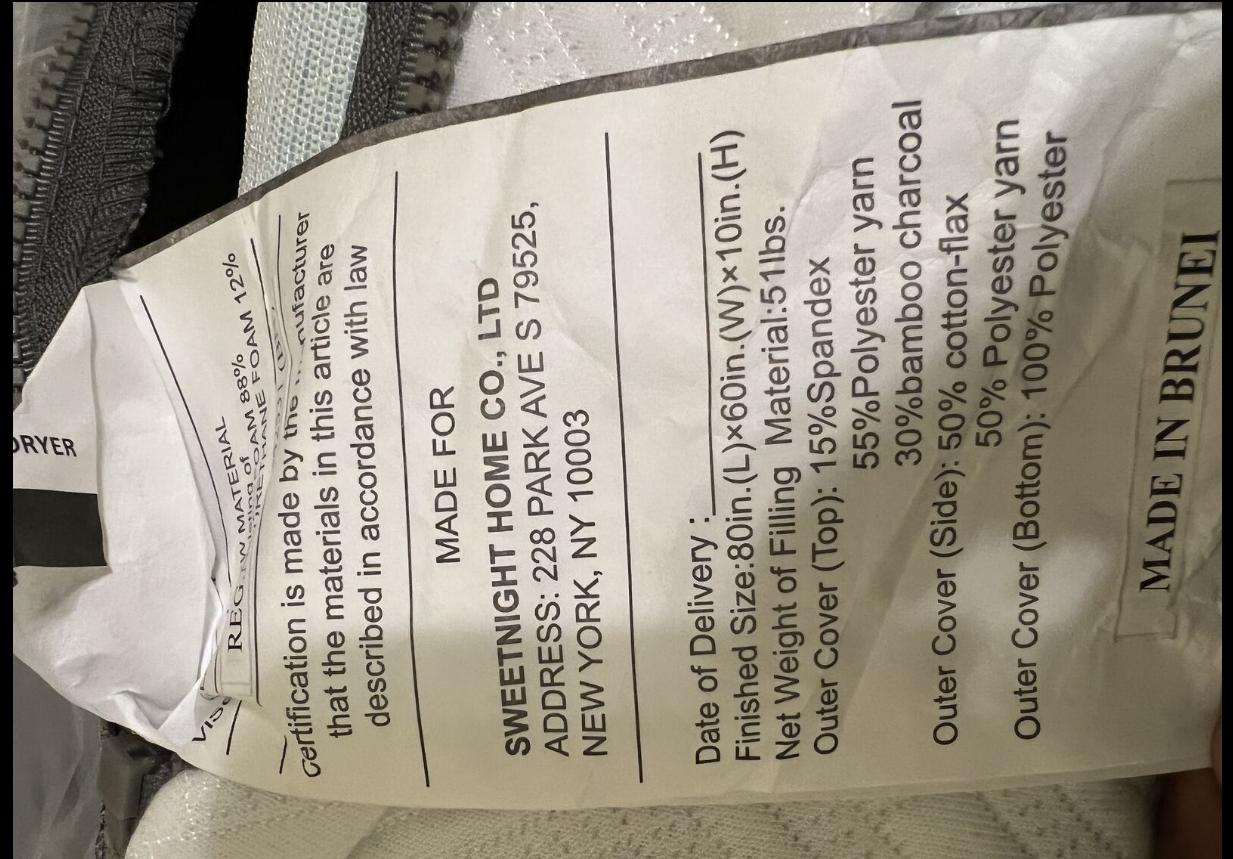
Step 2: find the foundation rules
Once you know your exact model, find that model’s warranty document or foundation requirements page. You want the brand’s own language, not a retailer summary and not a forum post.
What to look for
- Accepted foundations: platform bed, slatted base, box foundation, adjustable base, bunkie board, etc.
- Slat rules: maximum slat gap, slat width, slat thickness, number of slats, and whether slats must be rigid versus flexible.
- Center support: whether a center rail is required (often for queen and up), and whether it needs legs that touch the floor.
- Surface language: phrases like “continuous, flat, rigid surface,” or exclusions for bowed, sprung, or flexible systems.
- Proof requirements: some brands ask for photos of the frame and support system during a claim.
If the warranty references a “proper foundation” but doesn’t define it clearly, that’s your cue to contact the manufacturer and get clarification in writing.
Step 3: measure slat gaps
You’re measuring clear gaps, meaning the open space between slats where the mattress is not supported. If your slats are wrapped or upholstered, still measure from the solid edge of one slat to the solid edge of the next.
What you need
- Tape measure (a rigid ruler is even easier for short gaps)
- Paper and pen or your phone notes
- Flashlight if your frame is dark
How to measure
- Remove bedding so you can lift the mattress safely.
- Get help if you need it. Mattresses can be heavy and awkward, and they can tip if you lean them upright. Protect your back, and make sure kids and pets are out of the way.
- Lift the mattress and set it aside to expose the slats.
- Measure multiple locations, not just one gap. Some frames vary slightly from head to foot.
- Measure the open space between slats, edge to edge. Write down the largest gap you find.
- Count slats and note whether they are secured (screwed in, bolted, or strapped) or loose.
Why the largest gap matters: If a requirement says “gaps must be no more than X,” your frame has to meet that everywhere, not just in the middle where you happened to measure.
A reality check (not a rule): Many brands specify a maximum slat gap, often somewhere around 2 to 3 inches. Some allow more, some require less, and some focus more on rigidity and center support. Always follow your model’s written terms.
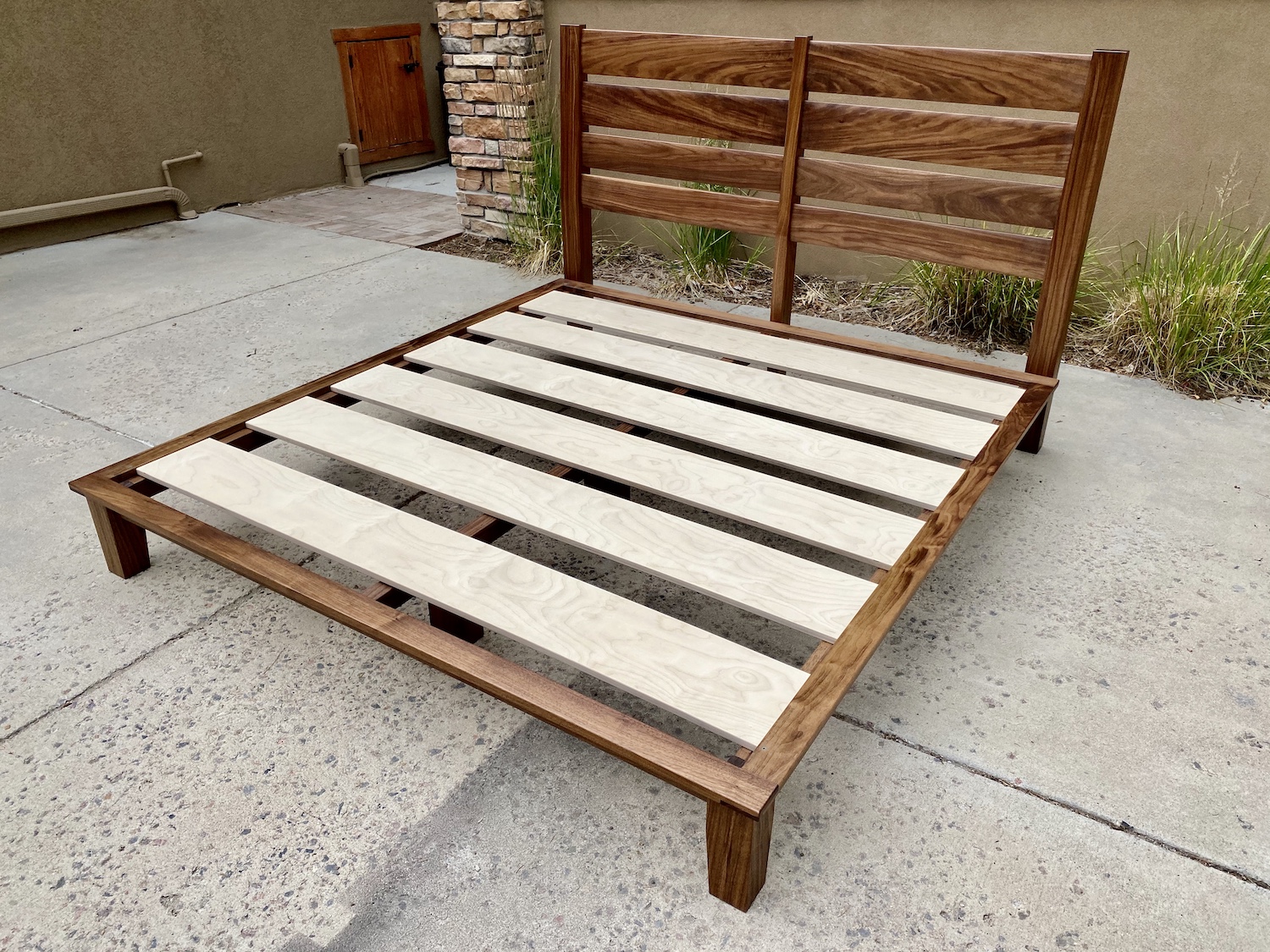
Step 4: check center support
Many warranties focus as much on center support as on slat spacing, especially for queen, king, and California king sizes. Even if your slats are close together, a weak middle can allow the whole sleep surface to dip over time.
What it usually means
- A rigid center rail running head to foot (or sometimes a center beam with cross supports)
- Support legs that touch the floor, not just the side rails
- Legs that are intact, tightened, and on a stable surface (not hovering over thick carpet padding)
Some king and California king frames also need more than one center leg, and split king setups can have different requirements depending on the base. If your warranty calls out leg count or specific layouts, follow that language.
Check whether your center rail is actually carrying weight. If the legs are adjustable, set them so they contact the floor firmly.
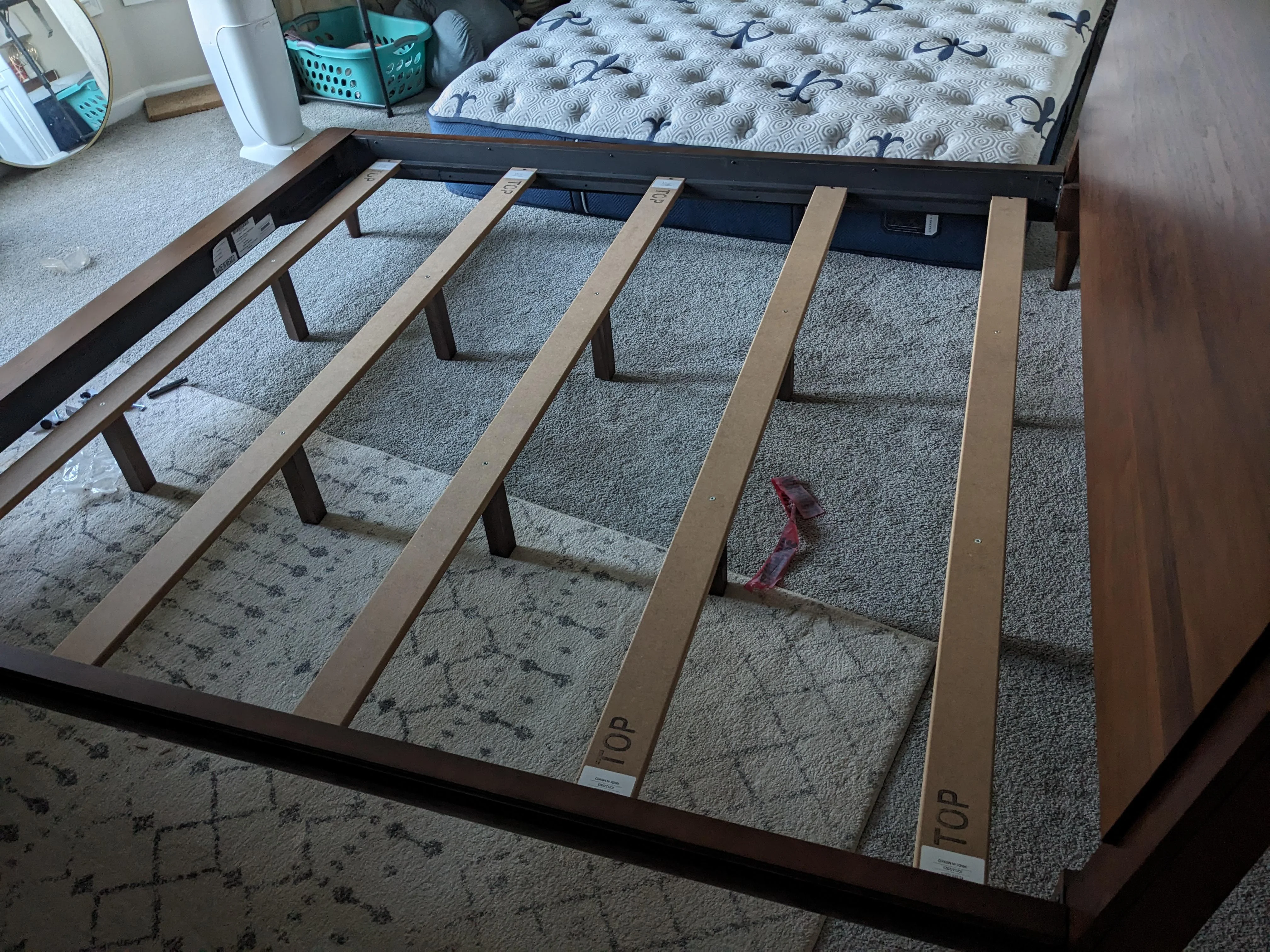
Step 5: document your setup
If you do one thing today to protect your future self, do this: document your setup.
- Photo of the full frame from above with slats visible
- Photo of the center support rail and any legs touching the floor
- Closeup photos of a tape measure showing your largest slat gap
- Photo of the mattress law label
- Screenshot or PDF of the warranty terms you’re relying on
If you later need to ask about impressions or sagging, this makes the conversation with support much simpler.
Step 6: confirm in writing
If your frame is close to the requirement, unclear, or uses a design the warranty doesn’t explicitly mention (flexible bowed slats, floating center supports, or a hybrid of metal and wood), ask the mattress manufacturer directly before you modify your bed.
What to send
- Your mattress model name, size, and purchase date
- Photo of the law label
- Photos of your frame and slat system
- Your measured maximum slat gap and whether you have center support legs touching the floor
- A link to the frame or foundation product page, if available
Questions to ask
- “Does my current frame meet the foundation requirements for this mattress warranty?”
- “Do you require a center support rail with floor-contact legs for my size?”
- “If I add a bunkie board on top of slats, does that stay warranty compliant?”
- “If I add additional slats to reduce gaps, does that affect warranty coverage?”
- “Are flexible slats acceptable for my model?”
My gentle suggestion: Use email or a support ticket system so you have a written record. If you must call, ask them to email you the guidance afterward.
Before you fix anything
When you’re tired, it’s tempting to improvise. I get it. But some quick fixes can create new risks for both comfort and warranty coverage.
Changes to be careful with
- Adding plywood without thinking about airflow. A less breathable surface can trap more heat and moisture, depending on mattress materials and your room’s humidity. Some warranties also require a breathable, rigid support surface. Check your terms before you add anything solid.
- Using random scrap wood that’s uneven or not secured. High spots can create pressure points and uneven wear.
- Removing center legs to fit storage bins. This can reduce support exactly where many brands expect it most.
- Switching base types (like a flexible slat kit) when the warranty calls for a rigid surface.
If you’re considering a change, confirm with the manufacturer first, then make one change at a time so you can tell what actually helped.
If it’s compliant but feels off
Sometimes you check every requirement box and the bed still feels wrong. That doesn’t mean you did anything “incorrect.” It just means warranty compliance and good sleep aren’t the same goal.
Signs the support system is affecting feel
- More motion transfer than expected (slats flexing or shifting)
- Hammocking sensation in the middle (center support not engaging)
- New aches that improve when you sleep elsewhere
- Foam mattress feeling unusually soft or unstable (too much give beneath it)
In those cases, you can explore options that stay within your warranty terms, like a manufacturer-approved foundation, a bunkie board the brand confirms is acceptable, or a frame with stronger center reinforcement.
Quick definition: A bunkie board is a thin, rigid support panel designed to sit on top of slats to create a flatter surface (often used when you want a lower profile than a traditional box foundation). Not every brand allows them, so confirm first.
Quick checklist
- Identify the exact mattress model (law label and receipt)
- Find the model’s written foundation requirements
- Measure the largest clear gap between slats, and count slats
- Confirm center support and floor-contact legs (especially for queen and up)
- Photograph everything and save the warranty document
- Ask the manufacturer to confirm compatibility before altering the frame
FAQ
Is there a universal slat spacing for every warranty?
No. Many brands specify a maximum gap, others specify slat width or rigidity, and some focus heavily on center support requirements. The only reliable answer is the written requirements for your exact model.
If my mattress feels fine, can slats still void the warranty?
Potentially, yes. Warranties are based on whether you used an approved support system, not whether the bed felt comfortable day to day.
What if I can’t find foundation rules for my model?
Contact the manufacturer with your law label and purchase details and ask them to provide the foundation requirements for your specific mattress. Save their response.
Should I add more slats?
It can help with support and feel, but don’t assume it’s automatically warranty-safe. Confirm whether modifications are acceptable for your model, and make sure added slats are secured and level.