A calm, science-aligned nighttime routine using journaling, breathwork, and mindfulness to slow racing thoughts and make sleep feel possible again.
The Rest Pact
Updated October 18, 2026
Created October 18, 2026
Yoga Nidra vs. Mindfulness Meditation for Sleep

Maya Caldwell
Maya Caldwell is a certified sleep science coach and the lead researcher at RestPact. After overcoming years of chronic insomnia, she dedicated herself to making evidence-based sleep strategies accessible, helping others build bedtime routines that lead to deep, restorative rest.
If you are lying in bed with a tired body and an alert mind, you have probably been told to “try meditation.” Helpful advice, but incomplete. There are different practices that get labeled as meditation, and they can feel wildly different at 11:43 pm when your brain is replaying your entire day.
Two of the most popular options for better sleep are Yoga Nidra (often called yogic sleep) and mindfulness meditation. Both can support sleep, but they tend to shine in different scenarios: one is typically more guided and body-based, the other builds a skill of relating differently to thoughts and sensations.
Below is a clear comparison, plus a simple way to choose the right technique for your specific sleep pattern.
What Yoga Nidra is
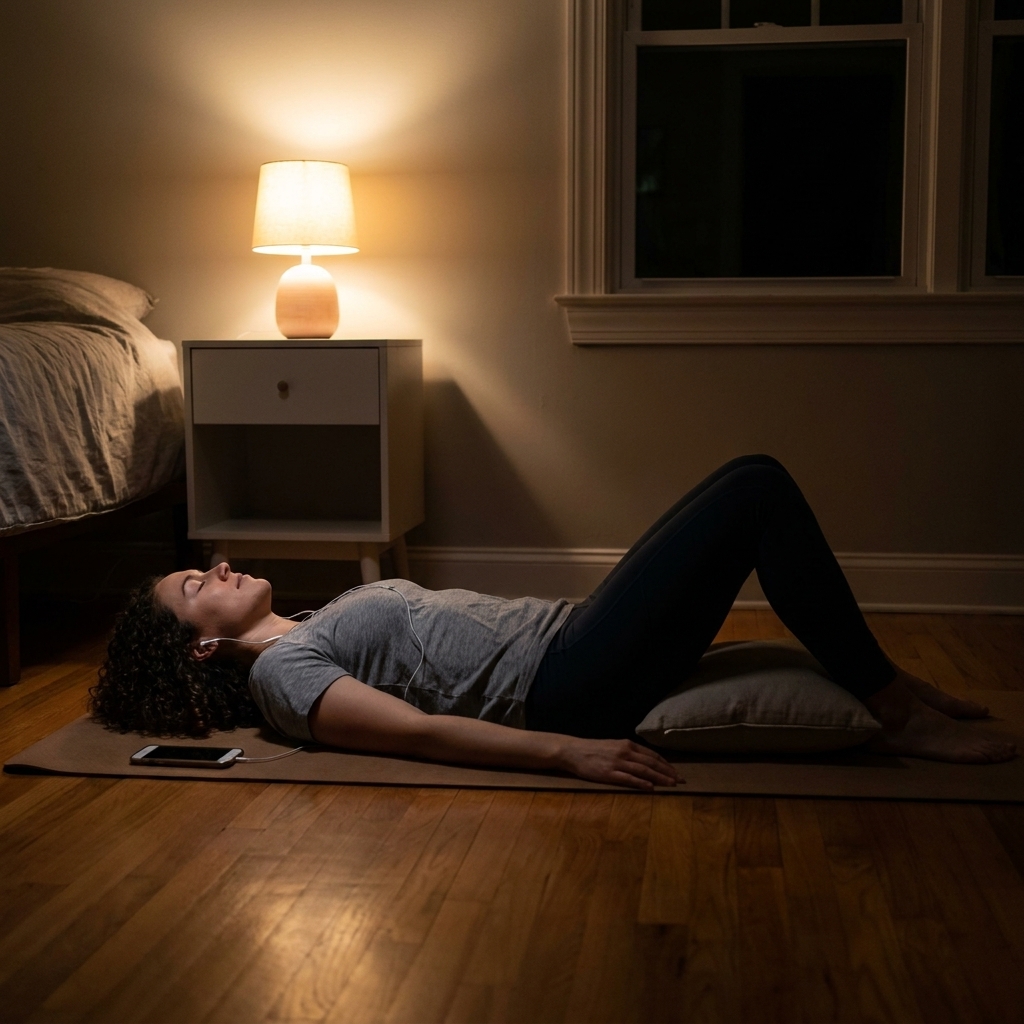
Yoga Nidra is a structured, guided relaxation practice traditionally done lying down. Most sessions move through a predictable sequence, such as:
- Settling and intention (sometimes called a sankalpa)
- Body scan or “rotation of consciousness” through body parts
- Breath awareness
- Opposites (noticing warmth and coolness, heaviness and lightness, calm and energized sensations)
- Imagery or spacious awareness
- Closing
In sleep terms, Yoga Nidra can be effective because it emphasizes downshifting stress-related arousal through sensation, breath, and guided attention. Many people find it easier than silent practice when they are already exhausted, because you do not have to decide what to do next. You simply follow the voice.
Important nuance: Yoga Nidra can lead you into a state that feels close to sleep, and you might actually drift off. That is not “failing.” For sleep support, drifting off is often a perfectly reasonable outcome.
You may also see Yoga Nidra presented as NSDR (non-sleep deep rest). Many NSDR tracks borrow heavily from Yoga Nidra style guidance, even when they are not framed as a traditional yoga practice.
What mindfulness is
Mindfulness meditation is the practice of paying attention, on purpose, to present-moment experience with an attitude of openness and less reactivity. In a classic mindfulness session, you might:
- Focus on the breath, sounds, or body sensations
- Notice thoughts as mental events rather than facts that need solving
- Gently return attention when the mind wanders
For sleep, mindfulness is usually less about knocking you out quickly and more about changing your relationship to the very things that keep you awake: worry, rumination, frustration, and the “why am I still awake?” spiral. With consistent practice, mindfulness-based approaches may help reduce cognitive arousal and pre-sleep reactivity for some people. That can make mindfulness a strong option when insomnia is fueled by stress, perfectionism, or fear of not sleeping.
Key differences at bedtime
1) Posture and sleep pressure
Yoga Nidra: Typically done lying down, which pairs naturally with bedtime routines. For many people, it feels easier to transition from Nidra into sleep.
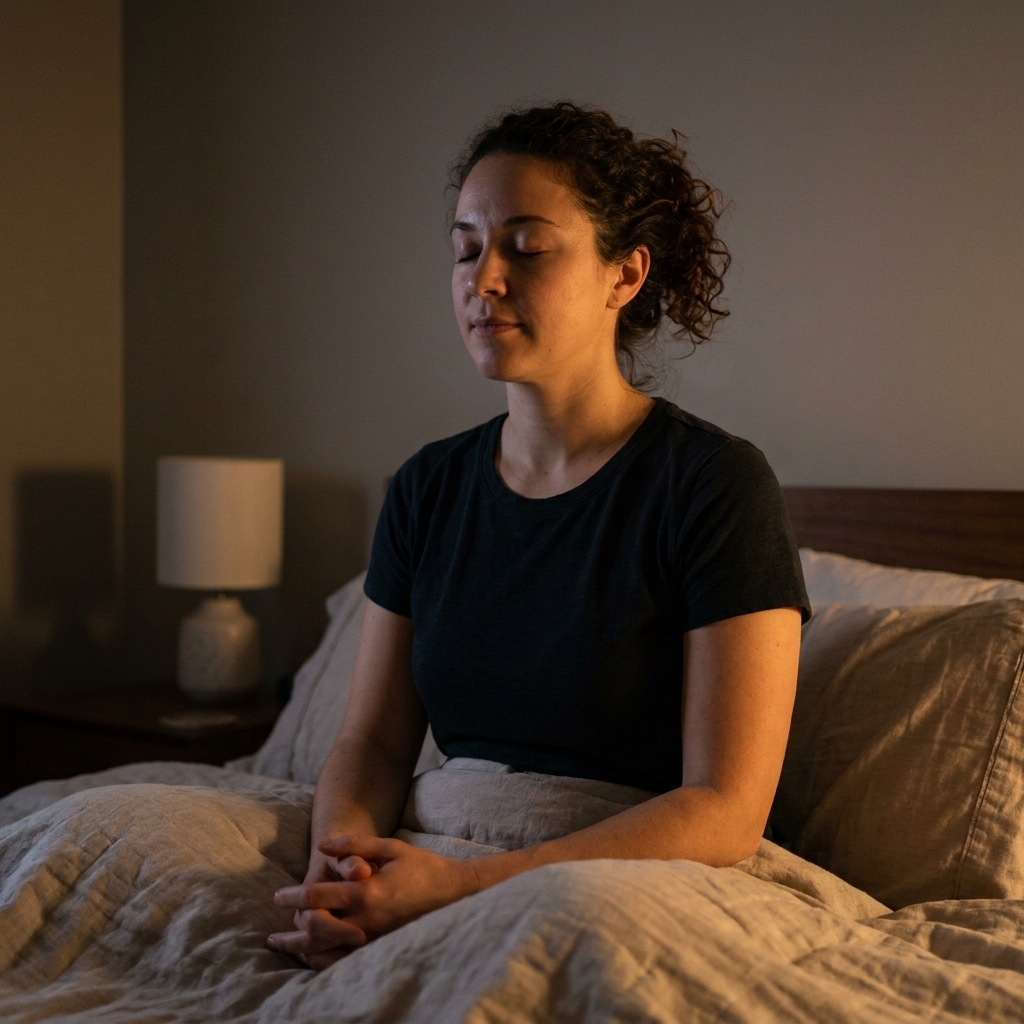
Mindfulness: Often taught seated (though many modern bedtime scripts are done lying down). If you tend to doze unintentionally and then wake up disoriented, a seated practice earlier in the evening may work better.
2) Guidance level
Yoga Nidra: Highly guided. Helpful when you are too tired to self-direct, or when your thoughts are fast and loud.
Mindfulness: Can be guided or unguided, but the core skill is self-led attention and returning. Powerful, but it can feel challenging during acute insomnia until the skill is familiar.
3) How they handle thoughts
Yoga Nidra: Often “outcompetes” thought loops by anchoring you in structured sensation and imagery. You still have thoughts, but they may fade into the background.
Mindfulness: Trains you to notice thoughts without buying into them. If your problem is “I cannot stop thinking,” mindfulness can be a strong longer-term direction, but it takes repetition.
4) Best use case
Yoga Nidra: Often best for a rapid downshift when you want something that helps the body settle tonight.
Mindfulness: Often best for changing the pattern over time by reducing reactivity and worry that spills into nighttime.
Which is better for deep sleep?
“Deep sleep” (slow-wave sleep) is influenced by many factors: sleep drive, circadian timing, light exposure, temperature, alcohol, illness, and stress physiology. A single relaxation practice cannot guarantee a specific sleep stage on demand.
That said, both Yoga Nidra and mindfulness can support deeper, more consolidated sleep indirectly by reducing pre-sleep arousal and helping you fall asleep faster or return to sleep more easily after awakenings.
If your goal is the simplest path into sleep tonight, Yoga Nidra often feels more effective for many people because it is designed to lead you through a whole-body settling sequence. It is not universal, though. If you notice yourself trying to force sleep and getting more alert, treat the practice as rest rather than a test.
If your goal is less insomnia over time, mindfulness-based practice can be especially useful because it targets the mental and emotional habits that keep insomnia going, including worry about sleep itself.
Choose based on your struggle
If your mind races at bedtime
Try first: Yoga Nidra. Racing thoughts often respond well to a practice that gives attention a clear “track” to run on. The body scan and structured sequence can crowd out mental noise.
Add later: mindfulness. Once you are sleeping a bit better, mindfulness can help reduce the likelihood of that racing-thought loop rebuilding.
If you fall asleep fine but wake at 2 to 4 am
Try first: a short Yoga Nidra (10 to 20 minutes). In the middle of the night, decision fatigue is real. A guided practice helps you stay out of problem-solving mode.
If you tend to get frustrated: mindfulness techniques such as labeling (“thinking,” “worrying”) and returning to breath can reduce the emotional charge that keeps you awake.
If anxiety is the main driver
Either can help. Choose the one you will actually do consistently.
- If anxiety shows up as a buzzing body, tight chest, clenched jaw: Yoga Nidra is typically more body-forward.
- If anxiety shows up as catastrophic predictions and mental debates: mindfulness is typically more thought-forward, especially with guidance.
If you are exhausted but wired
Try Yoga Nidra. Chronic stress can look like heightened arousal at night, even when you are depleted. A lying-down guided practice can feel like permission to stop performing and start recovering.
If you keep checking the clock or judging your sleep
Try mindfulness. The skill here is noticing the urge to check, the storyline about consequences, and the self-criticism, then practicing non-engagement. This is one of the most protective skills for long-term insomnia recovery.
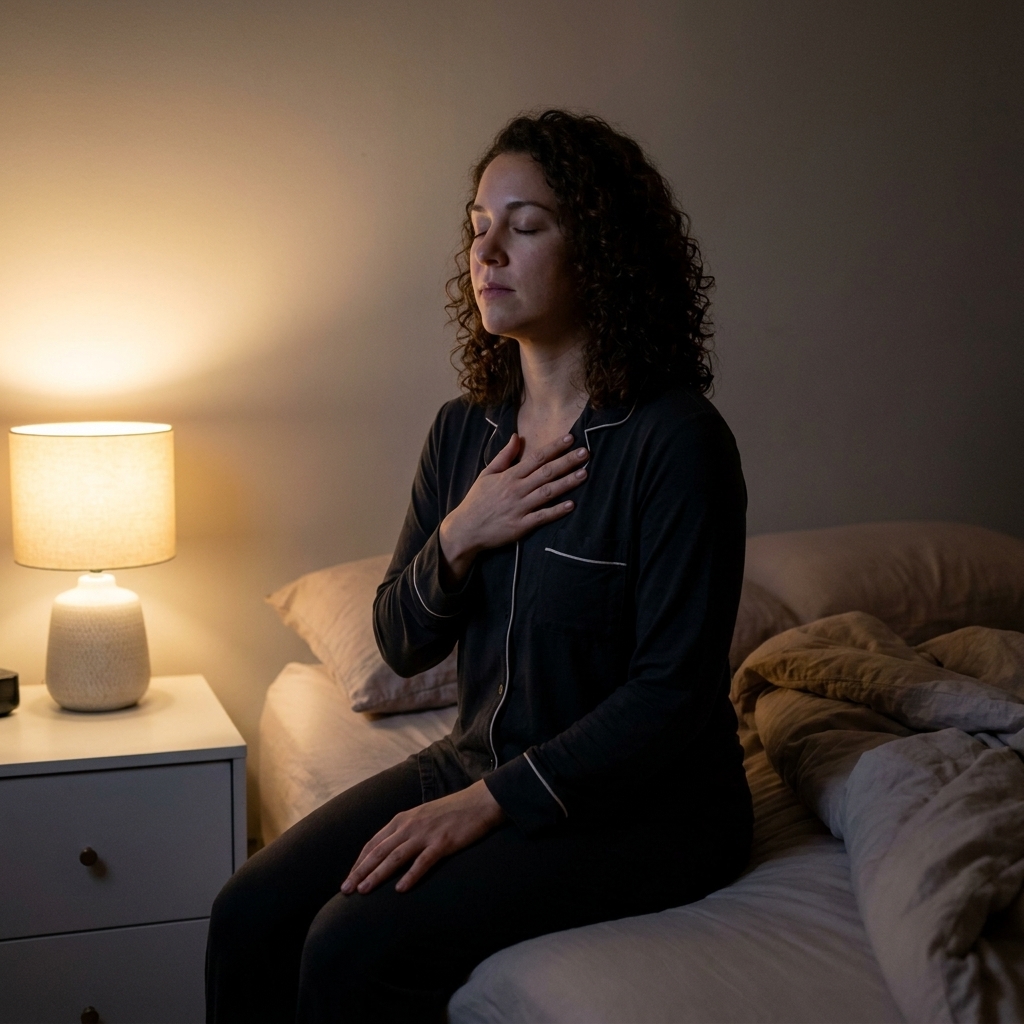
How to practice for sleep
Yoga Nidra: keep it sleep-friendly
- Do it in bed or on a mat near bed, with knees supported by a pillow to reduce low-back tension.
- Adjust your position as needed. If lying flat worsens reflux or breathing, try side-lying or propping your upper body slightly.
- Use a low, warm light or no light. Bright light at night can work against your circadian rhythm.
- Pick the right length: 10 to 20 minutes for middle-of-night awakenings, 20 to 40 minutes as a wind-down.
- Let sleep happen. If you drift off, you drift off. You are not training for a test.
- If a track seems to trigger startles or hypnic jerks for you, experiment with a shorter recording, lower volume, a gentler voice, or doing Nidra earlier in the evening.
Mindfulness: keep it insomnia-friendly
- Practice earlier in the day when possible. Like any skill, it is easier to learn when you are not in the middle of the struggle.
- At bedtime, keep it simple: 3 to 8 minutes of breath awareness or body sensation is plenty.
- Use an anchor you like (breath at the nostrils, belly rise and fall, sounds in the room). Consistency matters more than the perfect anchor.
- When thoughts come: silently note “thinking” and return. No arguing with the mind.
- If you get frustrated lying down, try a seated practice before you get in bed. If you get sleepy seated, that is fine too.
Two sleep basics that boost both
- Caffeine and alcohol timing: If you are sensitive, try keeping caffeine earlier in the day and minimizing alcohol close to bedtime, since both can affect sleep quality and night awakenings.
- Temperature and light: A cooler, darker room often makes relaxation practices work better because your body is getting a clearer “night” signal.
Can you combine them?
Yes, and for many people it is the sweet spot:
- Mindfulness for daytime resilience and reducing sleep-related worry
- Yoga Nidra for a reliable nighttime downshift
A simple combo routine I like for people who feel both anxious and exhausted:
- Late afternoon or early evening: 5 to 10 minutes mindfulness (guided is fine)
- At bedtime: 15 to 30 minutes Yoga Nidra
- If you wake overnight: 10 minutes Yoga Nidra, or mindfulness noting with slow breathing if you prefer silence
Common pitfalls
“Yoga Nidra makes me fall asleep, then I wake up and feel annoyed.”
This is common if you use a long track and wake at the ending voice cue. Fix: choose shorter tracks, set a sleep timer if your app allows it, or pick recordings with softer endings.
“Mindfulness makes me more aware of how awake I am.”
Also common. Early mindfulness can temporarily increase awareness of discomfort. Fix: shorten the session, use a more soothing anchor (hands on belly, warmth in the chest), or use Yoga Nidra at bedtime and keep mindfulness for daytime practice.
“I cannot stop fidgeting during either practice.”
Fidgeting is often the nervous system discharging activation. Fix: do 60 seconds of gentle stretching first, add a heavier blanket if you find deep pressure calming, and make sure you are not too cold.
“I feel emotional during Yoga Nidra.”
Deep relaxation can unmask feelings you have been powering through all day. If emotions feel manageable, let them move through without analysis. If it feels overwhelming, stop the session, turn on a soft light, and do something grounding like sipping water or naming five things you see.
Safety and extra support
Both practices are low-risk for most people, but a few situations deserve extra care:
- If you have a history of trauma and guided body scans feel activating, consider working with a trauma-informed teacher and choose practices that emphasize external anchors (sounds in the room) rather than internal sensation.
- If you suspect sleep apnea, restless legs syndrome, reflux-related sleep disruption, or another sleep disorder, relaxation practices can help you cope but may not resolve the root cause. It is worth discussing symptoms with a clinician.
- If anxiety or depression is severe or worsening, pairing these tools with professional support is a strong next step.
- If insomnia is persistent (for example, happening multiple nights per week for months), consider asking about CBT-I (cognitive behavioral therapy for insomnia), which is widely recommended as a first-line treatment. Yoga Nidra and mindfulness can still fit alongside it.
The bottom line
Yoga Nidra is often a better starting point when you want a guided, body-based practice that helps you downshift quickly and makes it easier to drift into sleep.
Mindfulness meditation is often a better fit when insomnia is driven by worry, frustration, and mental habits that benefit from rewiring over time.
If you are not sure, start with Yoga Nidra for bedtime relief, and add a few minutes of mindfulness earlier in the day. You do not need the perfect practice. You need one that feels kind enough to stick with on your hardest nights.
FAQ
Is Yoga Nidra just a nap?
It can feel nap-like because you are lying down and deeply relaxed, but the practice is a guided progression of attention. If you fall asleep, that can still be a win for sleep support.
Can mindfulness increase deep sleep?
Mindfulness may support deeper sleep indirectly by reducing stress and pre-sleep arousal. The bigger benefit is often improved sleep continuity and less time spent awake worrying.
How long should I do Yoga Nidra for sleep?
Try 15 to 30 minutes at bedtime. For middle-of-night awakenings, 10 to 20 minutes is usually more practical.
Should I do mindfulness in bed?
You can. If you strongly associate bed with struggle, a short mindfulness practice seated in a chair under dim light before getting into bed can feel more settling.